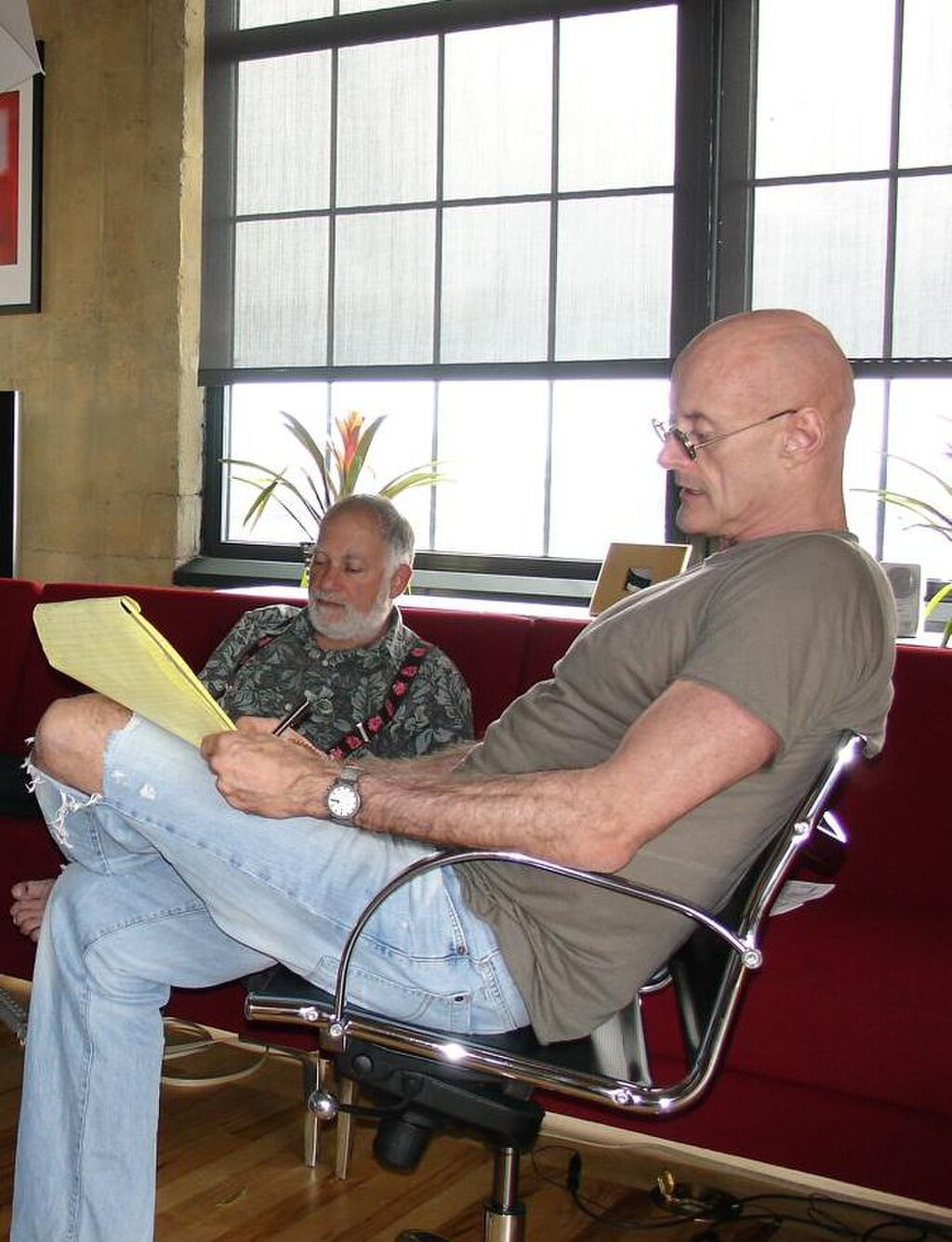
“Be the awareness that includes all states.” This profound invitation from Ken Wilber encourages us to cultivate a state of consciousness that transcends the myriad experiences of life. It is a call to embrace the full spectrum of our emotional, mental, and spiritual states, recognizing that true awareness is not limited to any single experience but rather encompasses all that we encounter. In a world often divided by dualities and judgments, this teaching invites us to foster an inclusive awareness that honors the complexity of our existence.
To be the awareness that includes all states is to engage in a radical acceptance of ourselves and our experiences. It challenges us to step beyond the confines of our habitual reactions and judgments, inviting a deeper understanding of the interconnectedness of all aspects of life. This perspective not only enriches our personal journey but also enhances our relationships with others, as we learn to hold space for their experiences as well. In this way, Wilber's quote serves as a guiding principle for navigating the complexities of human existence with grace and compassion.
The image / the metaphor
At the heart of Wilber's quote lies a rich metaphorical landscape. The term "awareness" evokes a sense of spaciousness, a vast expanse that can hold and contain all experiences without exclusion. The phrase "includes all states" suggests a dynamic interplay of emotions, thoughts, and sensations, each contributing to the tapestry of our lived experience. This imagery invites us to envision awareness as a boundless ocean, where waves of joy, sorrow, confusion, and clarity rise and fall, yet are all part of the same water.
Diving deeper into this metaphor, we can see that to "be" this awareness is an active engagement rather than a passive observation. It implies a conscious choice to embody a state of openness and acceptance, allowing ourselves to fully experience whatever arises. This active participation in awareness fosters a sense of unity with all states of being, encouraging us to recognize that even our most challenging emotions have a place in the larger narrative of our lives. In this way, the metaphor of awareness becomes a powerful tool for transformation, inviting us to embrace our wholeness.
In the speaker's tradition
Ken Wilber's teachings are deeply rooted in the integral tradition, which seeks to synthesize various aspects of human experience into a coherent framework. Central to this tradition is the concept of "integral awareness," which encompasses not only our individual states but also the collective dimensions of consciousness. This idea resonates with the Buddhist notion of "sunyata," or emptiness, which invites us to see beyond the illusion of separateness and recognize the interconnectedness of all phenomena. In this light, Wilber's call to be the awareness that includes all states aligns with the integral perspective of embracing the totality of existence.
Moreover, Wilber's emphasis on inclusion can be likened to the spiritual practice of "kenosis," or self-emptying, found in various contemplative traditions. This practice encourages us to let go of rigid identities and preconceived notions, allowing for a more expansive understanding of ourselves and others. In this context, the invitation to be awareness becomes a pathway to deeper compassion and understanding, as we learn to hold space for the full range of human experience. Wilber's work, particularly in "Integral Meditation," serves as a guide for navigating this terrain, offering practical insights into cultivating an inclusive awareness.
Living the teaching
Consider a modern scenario where this teaching can be applied: imagine a workplace filled with diverse personalities and perspectives. In such an environment, conflicts may arise, leading to misunderstandings and tension. By embodying the awareness that includes all states, one can approach these situations with an open heart and mind, recognizing that each individual's experience is valid and worthy of consideration. This approach not only fosters a more harmonious workplace but also encourages collaboration and creativity, as team members feel seen and heard.
In a more personal context, think about a challenging relationship where emotions often run high. By practicing the awareness that includes all states, one can learn to navigate difficult conversations with greater empathy and understanding. Instead of reacting defensively or shutting down, this awareness allows for a deeper exploration of feelings, both one's own and those of the other person. This practice can transform conflict into an opportunity for growth, as both parties learn to embrace their vulnerabilities and find common ground.
A reflection
As we contemplate Wilber's invitation to be the awareness that includes all states, we are called to reflect on our own relationship with our experiences. How often do we find ourselves resisting certain emotions or states of being, seeking to push them away rather than embracing them? In this light, consider this contemplative question: What would it mean for you to fully include all aspects of your experience in your awareness, and how might this shift your understanding of yourself and your relationships with others?


