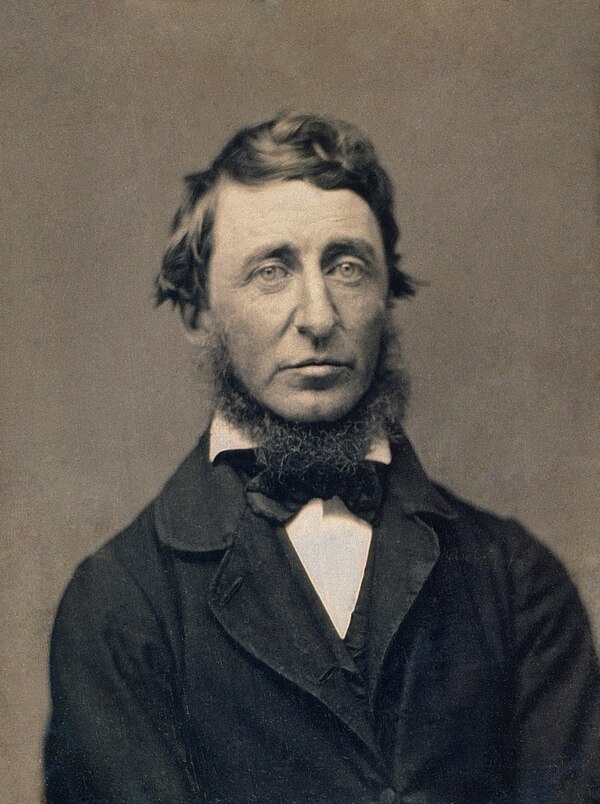
Henry David Thoreau's assertion, "I had rather sit on a pumpkin and have it all to myself than be crowded on a velvet cushion," invites us to reconsider our relationship with comfort, companionship, and the essence of solitude. In this evocative statement, Thoreau champions the value of simplicity and personal space over superficial luxury and social conformity. The stakes are high; in a world that often equates worth with wealth and status, Thoreau's words challenge us to seek fulfillment in solitude and simplicity, urging us to cultivate a deeper understanding of our own needs and desires.
As we delve into Thoreau's perspective, we uncover a profound critique of societal norms that prioritize external validation over inner peace. The imagery of a solitary pumpkin, humble yet sufficient, stands in stark contrast to the allure of a velvet cushion, which symbolizes societal expectations and the superficial comforts that often accompany them. This dichotomy speaks to the heart of transcendentalist thought, where the pursuit of authenticity and self-reliance is paramount. Thoreau's preference for the pumpkin embodies a radical embrace of simplicity, inviting us to reflect on what it truly means to live a fulfilling life.
The image / the metaphor
At first glance, the imagery in Thoreau's quote is strikingly vivid. The pumpkin, a symbol of the earth and natural abundance, evokes a sense of rustic simplicity, while the velvet cushion represents opulence and societal approval. The verbs "sit" and "crowded" further emphasize the contrast between a solitary, contemplative existence and one filled with the noise and distractions of social interaction. Thoreau's choice of words invites us to feel the weight of each option: the comfort of solitude versus the suffocating presence of others.
Diving deeper into the metaphor, the pumpkin becomes a powerful emblem of self-sufficiency and contentment. It suggests that true happiness does not stem from external validation or material wealth but rather from an inner sense of peace and fulfillment. The act of choosing the pumpkin over the velvet cushion speaks to a willingness to embrace one's own company, to find joy in simplicity, and to cultivate a life that is authentically one's own. This metaphor resonates with the transcendentalist belief that nature and solitude can lead to profound insights and personal growth.
In the speaker's tradition
Thoreau's philosophy is deeply rooted in the transcendentalist tradition, which emphasizes the importance of individual intuition and the inherent goodness of nature. Concepts such as dharma, or one's true path, and kenosis, the act of self-emptying, resonate with Thoreau's preference for solitude over societal expectations. In this context, the pumpkin symbolizes a return to one's true self, free from the distractions and pressures of the external world. The transcendentalists believed that by embracing simplicity and solitude, one could access a deeper understanding of existence and one's place within it.
In his seminal work, "Walden," Thoreau articulates the necessity of retreating from society to reconnect with nature and oneself. He writes about the importance of living deliberately, suggesting that a life of purpose and authenticity is achieved through mindful choices. This aligns with the Buddhist concept of sunyata, or emptiness, which encourages individuals to let go of attachments and societal constructs in order to discover their true essence. Thoreau's preference for the pumpkin reflects this journey toward self-discovery and the liberation found in simplicity.
Living the teaching
In our modern lives, the teaching embodied in Thoreau's quote can manifest in various ways. Consider a scenario where an individual feels overwhelmed by the demands of social obligations and the constant pursuit of status. In this context, choosing to spend an afternoon in solitude—perhaps in nature or engaging in a favorite hobby—can serve as a powerful reminder of the joy found in simplicity. By prioritizing personal time over social engagements, one can cultivate a deeper sense of self and reconnect with what truly matters.
Another application of this teaching may arise in the realm of relationships. Imagine a moment of conflict where the pressure to conform to societal expectations leads to misunderstandings and resentment. By embracing the spirit of Thoreau's pumpkin, individuals can choose to communicate openly and honestly, prioritizing their own needs and feelings over the desire for external approval. This approach fosters deeper connections built on authenticity and mutual respect, allowing both parties to thrive in their individuality while nurturing the relationship.
A reflection
As we contemplate Thoreau's poignant words, we are invited to reflect on our own lives and the choices we make. Are we seeking comfort in the velvet cushions of societal approval, or are we brave enough to embrace the solitude of our own pumpkins? In what ways can we simplify our lives to create space for authentic experiences and deeper connections? Let this contemplation guide you toward a more intentional existence, where the richness of solitude and simplicity can illuminate your path.


