The Unfailing Currency of Goodness
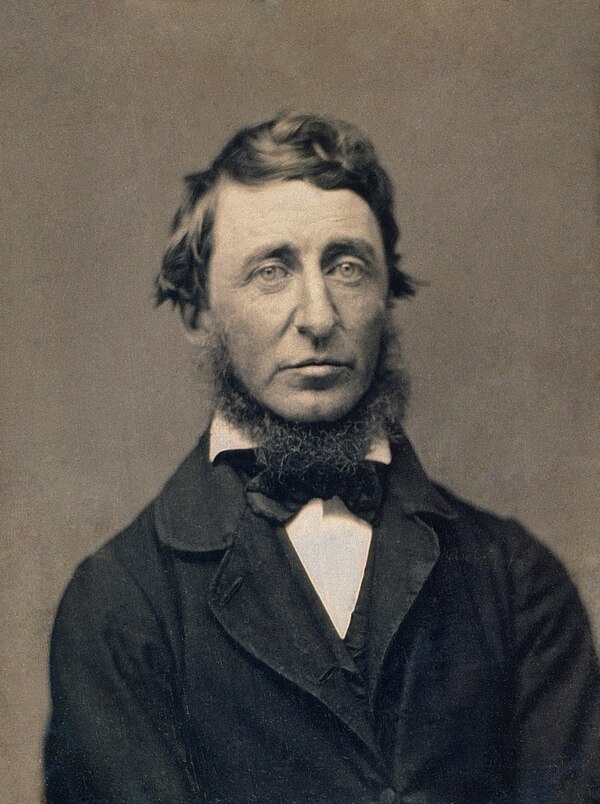
Henry David Thoreau's assertion that "Goodness is the only investment that never fails" invites us to reconsider the nature of value in our lives. In a world often driven by material gain and fleeting success, Thoreau's words remind us that the true measure of our lives lies in the goodness we cultivate. This perspective challenges us to invest in virtues that endure beyond the temporal, suggesting that acts of kindness and integrity yield returns that are both profound and lasting.
To delve deeper into this notion, we must recognize that Thoreau's understanding of goodness transcends mere moral behavior; it embodies a way of being that aligns with the natural order and the interconnectedness of all life. In his view, goodness is not just an abstract ideal but a tangible force that shapes our relationships and our environment. By embracing this investment, we not only enrich our own lives but also contribute to the greater good, fostering a community rooted in compassion and understanding.
The image / the metaphor
Thoreau's metaphor of goodness as an investment evokes a sense of trust and reliability. The term "investment" typically conjures images of financial transactions, where one allocates resources with the expectation of future returns. However, Thoreau reframes this concept, suggesting that the currency of goodness operates on a different plane, one that is not subject to market fluctuations or economic downturns. Instead, it is a steadfast commitment to ethical living that guarantees a return in the form of personal fulfillment and communal harmony.
Diving deeper into this metaphor, we can see that goodness functions like a seed planted in fertile soil. Just as a seed requires nurturing to grow and flourish, so too does our commitment to goodness require conscious effort and intention. The fruits of this investment may not be immediately visible, but over time, they manifest in the form of trust, love, and a sense of belonging. This imagery invites us to reflect on the long-term impact of our actions, encouraging us to cultivate a garden of virtue that enriches not only ourselves but also those around us.
In the speaker's tradition
Thoreau's philosophy is deeply rooted in the transcendentalist tradition, which emphasizes the inherent goodness of both people and nature. Central to this worldview is the concept of 'dharma,' or the moral order that governs our actions and relationships. In this light, goodness becomes a guiding principle that aligns us with our true nature and the universe's rhythm. This alignment fosters a sense of purpose and fulfillment that transcends the superficial pursuits of modern life.
Moreover, Thoreau's reflections in "Walden" resonate with the idea of 'kenosis,' or self-emptying, found in various spiritual traditions. By investing in goodness, we practice a form of kenosis that allows us to transcend our ego-driven desires and connect with a higher purpose. This selfless act of giving not only enriches our own lives but also contributes to the collective well-being of humanity, echoing the interconnectedness that Thoreau so passionately advocated.
Living the teaching
Consider a modern scenario where Thoreau's teaching on goodness as an investment can be applied: a workplace environment fraught with competition and stress. In such a setting, one might choose to extend kindness to a colleague struggling with their workload. By offering support and encouragement, this act of goodness not only uplifts the other person but also fosters a culture of collaboration and trust. Over time, this investment in goodwill can transform the workplace dynamic, leading to increased morale and productivity.
Another application of this teaching can be found in personal relationships. Imagine a moment of conflict with a loved one, where the temptation to respond with anger or defensiveness looms large. By choosing to respond with patience and understanding, we invest in the relationship's long-term health. This commitment to goodness, even in challenging moments, nurtures a deeper connection and fosters resilience, illustrating how the investment in virtue pays dividends in the form of lasting love and trust.
A reflection
As we contemplate Thoreau's assertion that "Goodness is the only investment that never fails," we are invited to reflect on our own lives and the values we prioritize. What does it mean for us to invest in goodness, and how might this commitment transform our relationships and communities? In a world that often prioritizes the ephemeral, how can we cultivate a practice of goodness that endures and enriches both ourselves and those around us?


