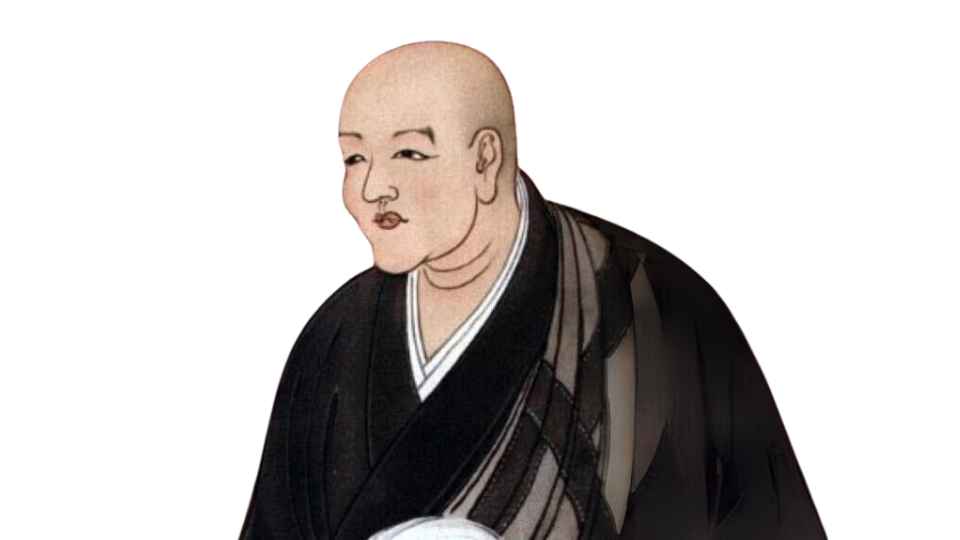
The Moon and the Drop: Embracing Non-Duality in Enlightenment
Dōgen's assertion that "You cannot hinder enlightenment, just as a drop of water does not hinder the moon in the sky" invites us to reflect on the nature of awakening and the illusion of obstruction. This profound statement suggests that enlightenment exists independently of our perceptions and actions, much like the moon remains unperturbed by a single drop of water. Understanding this relationship between the self and the greater reality is crucial for anyone on a spiritual path, as it challenges the very notion of hindrance and encourages a deeper exploration of our inherent nature.
In a world often dominated by dualistic thinking, Dōgen's words serve as a reminder that enlightenment is not something to be achieved or obstructed; it is a state of being that is always available to us. The metaphor of the moon, a symbol of clarity and illumination, juxtaposed with the drop of water, represents the transient and often distracting nature of our thoughts and emotions. By recognizing that our struggles do not impede the essence of enlightenment, we can cultivate a more profound sense of peace and acceptance in our lives.
The image / the metaphor
The imagery in Dōgen's quote is striking and evocative. The moon, a celestial body that has inspired countless poets and philosophers, symbolizes the ultimate truth and enlightenment. In contrast, the drop of water represents our individual experiences, thoughts, and emotions—fleeting and often clouded by the turbulence of daily life. The choice of verbs in this statement—"hinder" and "does not hinder"—highlights the dynamic interplay between our perceptions and the unchanging nature of reality. Just as the moon continues to shine regardless of the presence of a drop of water, enlightenment remains unaffected by our personal struggles.
Dōgen's metaphor invites us to consider the nature of our own existence. The drop of water, while seemingly significant in its moment, is ultimately inconsequential in the grand scheme of the universe. This perspective encourages us to let go of the weight of our worries and distractions, recognizing that they do not define our capacity for awakening. Instead, we are invited to embrace the clarity of the moon, allowing its light to guide us through the shadows of our minds.
In the speaker's tradition
Dōgen, a seminal figure in Zen Buddhism, emphasizes the concept of non-duality, which is central to understanding his teaching. In Zen, the idea of sunyata, or emptiness, suggests that all phenomena are interconnected and that our perceptions of separation are illusory. This aligns with Dōgen's assertion that enlightenment is not hindered by our individual experiences; rather, it exists beyond the dualistic framework of self and other. The practice of zazen, or seated meditation, serves as a means to realize this non-dual awareness, allowing practitioners to experience the essence of their being without the interference of their thoughts.
In his work "Genjokoan," Dōgen articulates the relationship between practice and enlightenment, emphasizing that the two are not separate but rather aspects of the same reality. He writes, "To study the Buddha Way is to study the self; to study the self is to forget the self." This profound insight echoes the sentiment of his quote, suggesting that the obstacles we perceive are often rooted in our own misunderstanding of the self. By engaging in the practice of mindfulness and meditation, we can begin to dissolve these barriers and experience the inherent clarity of our true nature.
Living the teaching
Consider a modern scenario where this teaching resonates: a person grappling with self-doubt before a significant life change, such as starting a new job or moving to a new city. In this moment, the individual may feel overwhelmed by fears of inadequacy, believing that their insecurities could hinder their success. However, by internalizing Dōgen's wisdom, they can recognize that these feelings, much like the drop of water, do not obstruct their potential for growth and enlightenment. Instead, they can approach the new opportunity with a sense of openness, allowing the light of the moon to illuminate their path forward.
In the context of relationships, Dōgen's teaching can also be transformative. Imagine a couple facing a conflict that seems insurmountable, each partner feeling that their grievances are barriers to understanding. By embracing the notion that enlightenment is not hindered by their differences, they can shift their perspective. Instead of viewing their struggles as obstacles, they can see them as opportunities for deeper connection and growth, allowing the clarity of love and compassion to guide their interactions. This shift in perception fosters a more profound sense of unity, echoing the non-dual nature of existence that Dōgen so eloquently articulates.
A reflection
As we contemplate Dōgen's profound assertion, we are invited to ask ourselves: In what ways do I perceive obstacles to my own enlightenment? This question encourages us to examine our thoughts and beliefs, recognizing that many of the barriers we encounter are self-imposed. By reflecting on this inquiry, we can begin to dissolve the illusions that hinder our awakening, allowing the light of our true nature to shine forth unimpeded.


