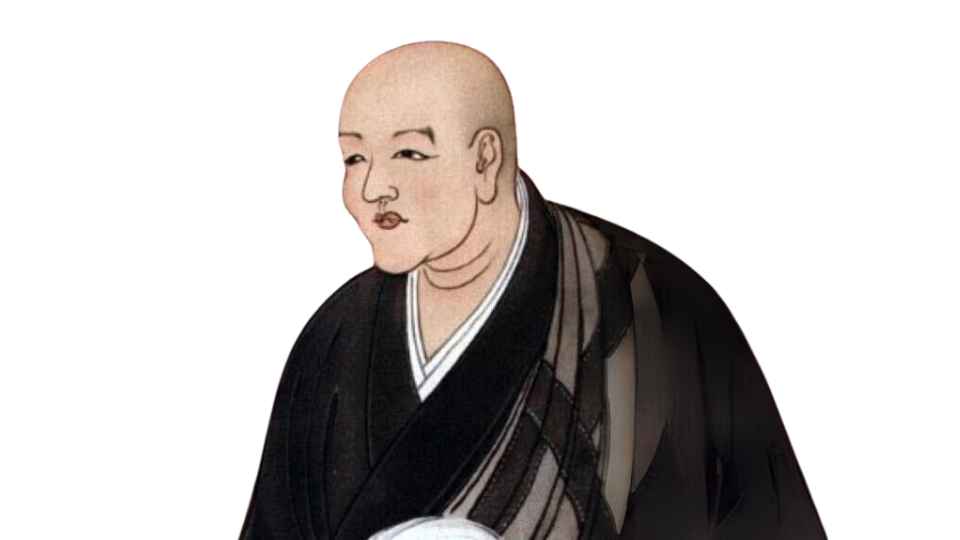
The Eternal Now: Embracing Time in Dōgen's Wisdom
In the profound words of Dōgen, "Which fully includes past and future," we are invited to explore the intricate relationship between time and existence. This statement encapsulates a fundamental aspect of Zen practice: the significance of the present moment. It urges us to recognize that the now is not merely a fleeting instant but a convergence of all that has been and all that is yet to come. Understanding this interconnectedness is crucial for deepening our spiritual journey and cultivating a more profound awareness of our lives.
To grasp the depth of Dōgen's insight, we must consider how our perception of time shapes our experience of reality. Often, we find ourselves trapped in the regrets of the past or the anxieties of the future, losing sight of the present moment. Dōgen's teaching serves as a gentle reminder that the now is a rich tapestry woven from our memories and aspirations. By fully embracing this moment, we can transcend the limitations of linear time and engage with life more authentically and meaningfully.
The image / the metaphor
At first glance, Dōgen's quote may seem abstract, yet it is grounded in vivid imagery that speaks to the heart of our experience. The phrase "fully includes" suggests a wholeness, an integration of time that transcends the boundaries we often impose. The verbs chosen evoke a sense of action and presence, inviting us to actively participate in the unfolding of our lives. This imagery encourages us to see the present not as an isolated point but as a dynamic interplay of past experiences and future possibilities.
Dōgen's metaphor extends beyond mere temporal awareness; it invites us to consider the essence of our being. The present moment is not just a backdrop for our thoughts and actions; it is the very ground from which our understanding of self and reality emerges. By recognizing that the past and future are integral to our current experience, we can cultivate a deeper appreciation for the richness of life as it unfolds. This perspective allows us to engage with our memories and aspirations in a way that enhances our present awareness rather than detracts from it.
In the speaker's tradition
Dōgen, a seminal figure in Zen Buddhism, offers profound insights into the nature of time and existence through his teachings. His philosophy is deeply rooted in the concept of *sunyata*, or emptiness, which suggests that all phenomena are interconnected and interdependent. This understanding aligns with the notion of *dharma*, the natural law that governs the universe, emphasizing that our experiences are shaped by both past actions and future intentions. In this light, Dōgen's quote invites us to embrace the present as a manifestation of the entirety of existence.
In his seminal work, *Genjokoan*, Dōgen elaborates on the idea that the present moment encompasses all aspects of life. He writes, "To study the Buddha Way is to study the self; to study the self is to forget the self." This teaching resonates with the essence of his quote, as it encourages us to transcend our limited perceptions of time and selfhood. By recognizing that our understanding of the now is enriched by our past and future, we can cultivate a more profound awareness of our true nature and the interconnectedness of all beings.
Living the teaching
Consider a modern scenario where this teaching might resonate: a busy professional caught in the whirlwind of deadlines and responsibilities. In such a context, it is easy to become fixated on the tasks at hand, losing sight of the present moment. By embracing Dōgen's insight, this individual can learn to pause and reflect, recognizing that their past experiences have shaped their current skills and that their future aspirations can inform their present actions. This shift in perspective allows for a more mindful approach to work, fostering creativity and reducing stress.
A reflection
As we contemplate Dōgen's profound statement, we are invited to reflect on our own relationship with time. How often do we find ourselves dwelling in the past or worrying about the future, neglecting the richness of the present moment? In what ways can we cultivate a deeper awareness of the now, recognizing it as a convergence of our experiences and aspirations? Let this contemplation guide you as you navigate the complexities of your own life, inviting a more profound connection with the present.


