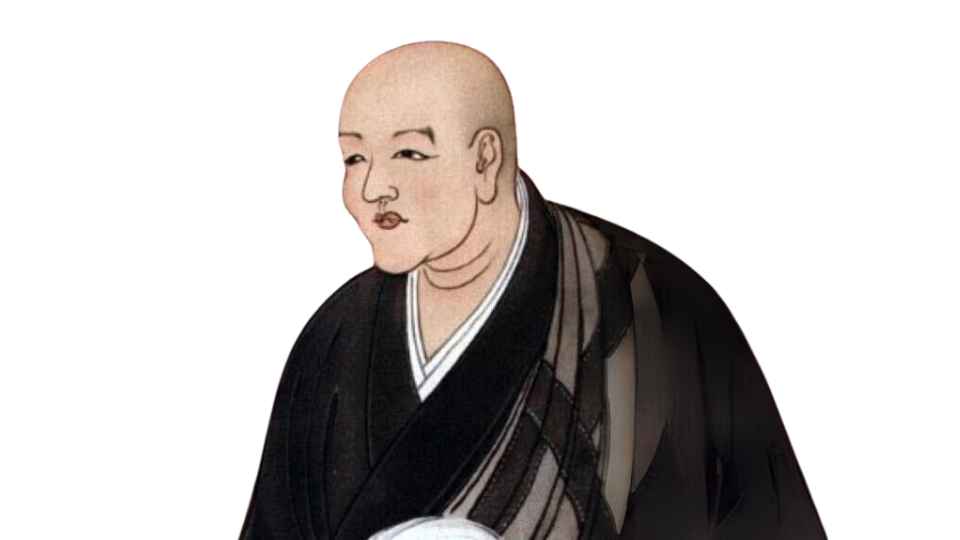
The Essence of Time: Dōgen's Insight into Being
Dōgen's assertion that "Time is being itself" invites us to reconsider our relationship with time and existence. This profound statement suggests that time is not merely a linear progression of moments but an intrinsic aspect of being. Understanding this perspective can transform how we perceive our lives, urging us to recognize the interconnectedness of our experiences and the present moment. In a world often dominated by the rush of schedules and deadlines, Dōgen's insight serves as a reminder to pause and reflect on the essence of our existence.
Delving deeper into this quote, we find that it challenges the conventional understanding of time as a separate entity, something to be measured and quantified. Instead, Dōgen invites us to experience time as an integral part of our being, suggesting that our existence unfolds within the flow of time itself. This perspective encourages a more holistic view of life, where each moment is imbued with significance and potential for awakening. By embracing this understanding, we can cultivate a deeper awareness of our lives and the world around us.
The image / the metaphor
The imagery in Dōgen's quote evokes a sense of unity between time and being, suggesting that they are not distinct but rather intertwined. The verb "is" serves as a powerful connector, indicating that time does not merely exist alongside being; it is a fundamental aspect of it. This relationship invites us to feel the rhythm of our existence, where each moment is a manifestation of our being. The felt sense of this quote encourages us to engage with time not as a relentless force but as a nurturing presence that shapes our experiences.
In the speaker's tradition
Within the Zen tradition, Dōgen's insights resonate deeply with core concepts such as sunyata (emptiness) and prajna (wisdom). The notion of time as being itself aligns with the understanding that all phenomena are interconnected and devoid of inherent separation. This perspective encourages practitioners to embrace the fluidity of existence, recognizing that our experiences are shaped by the interplay of time and being. Dōgen's teachings invite us to explore the nature of reality, urging us to cultivate a direct experience of life that transcends conceptual thinking.
In his seminal work, the Shobogenzo, Dōgen elaborates on the nature of time and being, emphasizing that each moment is a unique expression of the universe. He writes about "Uji," or the "time-being," which encapsulates the idea that time is not a static backdrop but a dynamic aspect of existence. This teaching invites us to engage with the present moment fully, recognizing that our awareness of time is an integral part of our spiritual journey.
Living the teaching
In our modern lives, the teaching that "Time is being itself" can be applied in various concrete scenarios. For instance, consider a busy professional who feels overwhelmed by deadlines and the relentless pace of work. By embracing Dōgen's insight, this individual can shift their perspective, recognizing that each moment spent at work is an opportunity for presence and engagement. Instead of viewing time as an adversary, they can learn to appreciate the richness of their experiences, allowing them to find meaning even in the midst of busyness.
Another application of this teaching can be found in personal relationships. Imagine a couple navigating a challenging moment in their relationship, perhaps during a disagreement. By embodying the understanding that time is being itself, they can approach the situation with a sense of presence and awareness. Rather than getting caught up in the past or future, they can focus on the current moment, fostering deeper communication and connection. This practice of being present can transform their interactions, allowing them to cultivate a more profound understanding of each other.
A reflection
As we contemplate Dōgen's profound assertion that "Time is being itself," we are invited to reflect on our own relationship with time and existence. How often do we find ourselves lost in thoughts of the past or future, missing the richness of the present moment? In what ways can we cultivate a deeper awareness of our being within the flow of time? As you ponder these questions, consider how embracing the unity of time and being might transform your experience of life.


