The Simplicity of Thusness
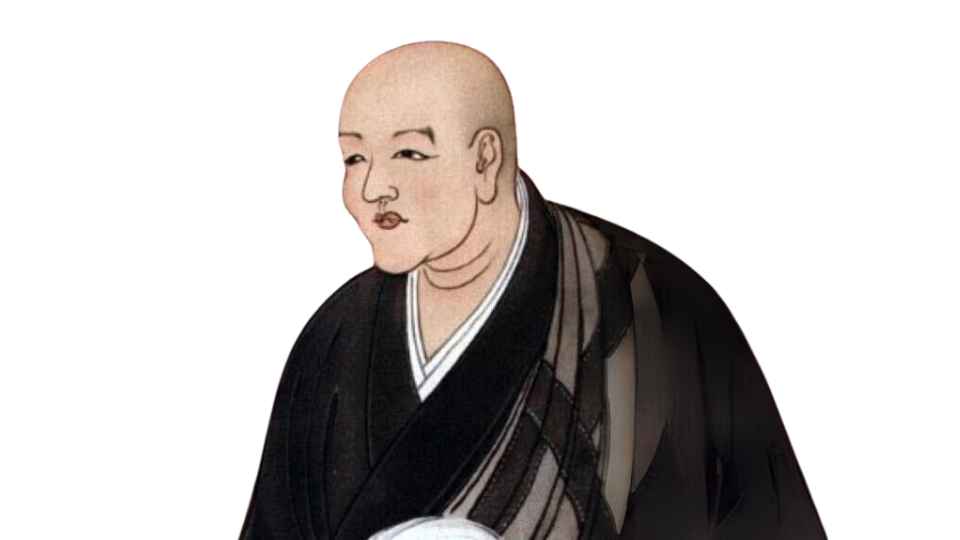
Dōgen's assertion, "This is the way it is," invites us into a profound engagement with reality as it presents itself, stripped of embellishments and preconceptions. This statement, while deceptively simple, carries the weight of Zen wisdom, urging us to embrace the present moment without resistance or alteration. In a world often clouded by distractions and desires, recognizing the essence of things as they are becomes a vital practice, one that can lead to deeper understanding and peace.
To grasp the significance of Dōgen's words, we must delve into the nature of thusness, or "tathata," which speaks to the inherent quality of existence. This concept encourages us to observe life in its raw form, free from the layers of judgment and expectation that typically obscure our vision. By acknowledging "this is the way it is," we cultivate a sense of acceptance that can transform our relationship with ourselves and the world around us, fostering a deeper connection to the unfolding of life.
The image / the metaphor
Moreover, the metaphor of thusness encapsulates the cyclical nature of life, akin to the changing seasons. Just as winter gives way to spring, and summer yields to autumn, so too does our understanding of reality shift and evolve. Dōgen's words remind us that acceptance of the present moment is not a passive resignation but an active engagement with the flow of life, allowing us to experience the richness of existence as it unfolds.
In the speaker's tradition
Dōgen, a pivotal figure in Zen Buddhism, emphasizes the importance of direct experience and the realization of thusness within the context of his teachings. Central to his philosophy is the concept of "shikantaza," or "just sitting," which encourages practitioners to immerse themselves fully in the present moment without striving for enlightenment or distraction. This practice aligns with the notion of "sunyata," or emptiness, suggesting that our perceptions are often clouded by attachments and aversions that distort our understanding of reality.
In his seminal work, the "Shobogenzo," Dōgen elaborates on the nature of reality and the importance of perceiving it as it is. He writes about the interconnectedness of all things, emphasizing that the essence of existence is not separate from our experience. This understanding resonates with the teachings of other Zen masters, who similarly advocate for a direct engagement with life, urging us to see beyond the illusions that often govern our perceptions.
Living the teaching
Consider a modern scenario where Dōgen's teaching might resonate: a busy professional facing the pressures of deadlines and expectations. In such a situation, the tendency may be to resist the present moment, wishing for a different reality or lamenting past choices. However, by embracing the idea of "this is the way it is," the individual can cultivate a sense of acceptance, recognizing that the stress and chaos are part of the current experience. This shift in perspective allows for a more grounded approach, fostering clarity and focus amidst the demands of daily life.
In relationships, Dōgen's teaching can also provide a transformative lens. Imagine a conflict arising between partners, where each person is entrenched in their viewpoint. By applying the principle of thusness, both individuals can step back and acknowledge the situation as it is, rather than how they wish it to be. This acceptance opens the door to empathy and understanding, allowing for a more constructive dialogue that honors the reality of their feelings and experiences.
A reflection
As we contemplate Dōgen's profound assertion, "This is the way it is," we are invited to explore our own relationship with reality. How often do we find ourselves resisting the present moment, wishing for circumstances to change? In what ways can we cultivate a deeper acceptance of our lives as they are, embracing the beauty and complexity of existence? Reflecting on these questions can guide us toward a more authentic engagement with ourselves and the world around us.


