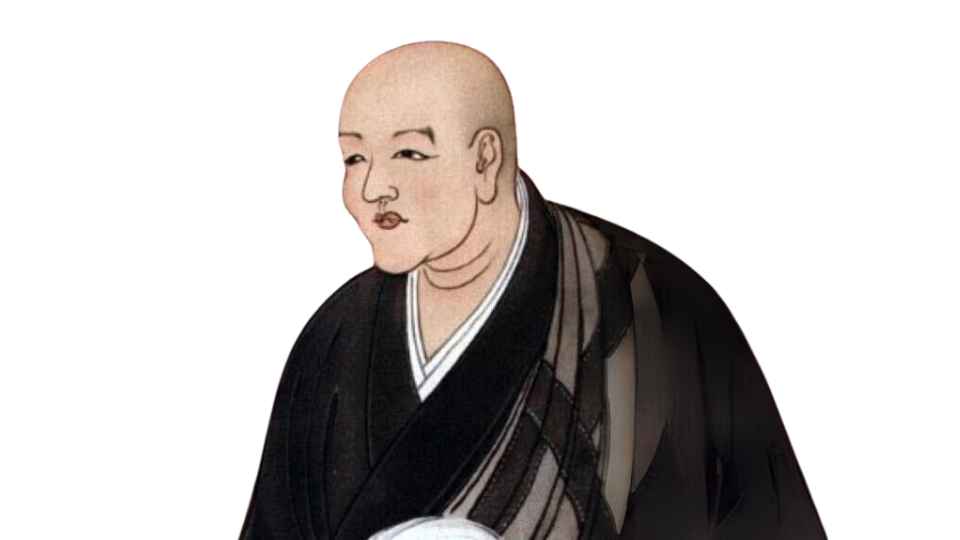
Reflections of the Infinite in the Finite
Dōgen’s profound assertion that “the whole moon and the entire sky are reflected in dewdrops on the grass, or even in one drop of water” invites us to contemplate the interconnectedness of all things. In this simple yet striking imagery, he reveals how the vastness of the universe can be encapsulated in the smallest of moments. This teaching matters deeply as it encourages us to recognize the sacredness in the ordinary, urging us to see the whole within the parts, and to understand that every drop of experience holds the potential for infinite wisdom.
As we delve deeper into this quote, we uncover layers of meaning that resonate with the essence of Zen practice. Dōgen’s words challenge us to shift our perception from the mundane to the extraordinary, suggesting that within each moment lies a reflection of the cosmos itself. This perspective not only enriches our understanding of reality but also invites us to cultivate mindfulness, allowing us to appreciate the beauty and depth of our experiences, no matter how small they may seem.
The image / the metaphor
The imagery of the moon and sky reflected in dewdrops evokes a sense of wonder and beauty. The choice of the words “whole” and “entire” emphasizes the completeness of the universe, while the “dewdrops” symbolize the delicate and transient nature of life. This contrast between the vastness of the sky and the fragility of a single drop of water creates a poignant tension, inviting us to explore how the infinite can manifest in the finite. The verbs “reflected” and “are” suggest a dynamic relationship, where the essence of the whole is not merely contained but actively present in the smallest of forms.
Dōgen’s metaphor extends beyond mere observation; it invites us to engage with the world in a way that recognizes the interconnectedness of all existence. Each dewdrop becomes a microcosm of the universe, a reminder that our individual experiences are reflections of a greater whole. This understanding encourages us to cultivate a sense of reverence for the ordinary, recognizing that every moment, no matter how small, can serve as a gateway to the infinite.
In the speaker's tradition
Situated within the Zen tradition, Dōgen’s teaching resonates with key concepts such as sunyata, or emptiness, which posits that all phenomena are interdependent and lack inherent existence. This understanding aligns with the notion of kenosis, the self-emptying that allows for the fullness of experience to emerge. In Zen, the practice of zazen, or seated meditation, serves as a means to realize this interconnectedness, allowing practitioners to experience the fullness of the present moment and the reflections of the universe within themselves.
In his seminal work, the “Genjokoan,” Dōgen emphasizes the importance of direct experience in understanding the nature of reality. He writes, “To study the Buddha Way is to study the self; to study the self is to forget the self; to forget the self is to be actualized by myriad things.” This passage echoes the sentiment of the quote, illustrating how the realization of the self as part of the whole leads to a deeper understanding of existence. The dewdrop, in this context, becomes a symbol of enlightenment, reflecting the entirety of the cosmos while simultaneously embodying the individual’s journey toward awakening.
Living the teaching
Consider a moment in your daily life when you feel overwhelmed by the enormity of your responsibilities or the chaos of the world around you. In such instances, Dōgen’s teaching can serve as a gentle reminder to pause and reflect. By focusing on a single experience—a conversation with a friend, the warmth of sunlight on your skin, or the sound of leaves rustling in the wind—you can find the vastness of the universe contained within that moment. This practice of mindfulness allows you to appreciate the beauty of the present, transforming the ordinary into the extraordinary.
In relationships, this teaching can manifest as a deeper understanding of the connections we share with others. When conflicts arise, we might feel isolated, as if our individual experiences are separate from the larger tapestry of life. However, by recognizing that each interaction holds the potential for reflection and growth, we can approach these moments with compassion and openness. Just as a dewdrop reflects the sky, our relationships can mirror the vastness of love and understanding that exists within us, inviting us to engage more fully with one another.
A reflection
As we contemplate Dōgen’s words, we are left with a profound question: How can we cultivate the awareness to see the infinite within the finite in our daily lives? This inquiry invites us to explore the moments that often go unnoticed, encouraging us to find depth and meaning in our experiences. By embracing this practice, we can begin to recognize the sacredness of each moment, allowing the reflections of the universe to illuminate our path.


