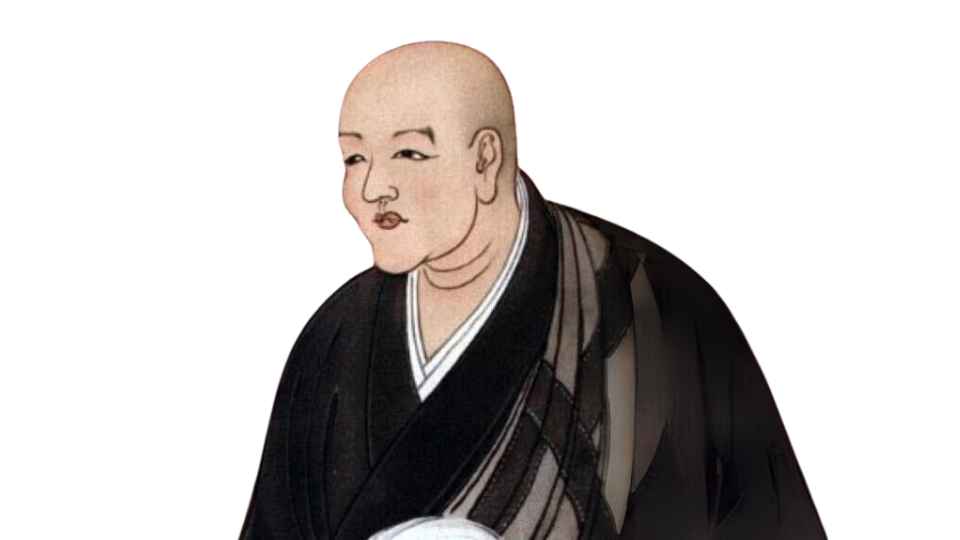
The Embodiment of Reverence: A Path to Awakening
Dōgen's assertion that "reverence completed in body and mind is what we call buddha" invites us to explore the profound relationship between our physical existence and our mental states in the pursuit of enlightenment. This quote encapsulates the essence of Zen practice, where the integration of reverence into every aspect of our being becomes a transformative act. To understand this teaching is to recognize that the path to awakening is not merely an intellectual endeavor but a holistic experience that encompasses our entire being.
In a world often characterized by distraction and disconnection, Dōgen's words remind us of the importance of cultivating a deep sense of reverence. This reverence is not a passive feeling but an active engagement with life, where each moment is infused with mindfulness and respect. By embodying this reverence in both body and mind, we align ourselves with the qualities of a buddha, transcending the ordinary and entering a state of profound awareness and compassion.
The image / the metaphor
The imagery in Dōgen's quote evokes a sense of wholeness and integration. The phrase "completed in body and mind" suggests a harmonious union, where physical actions and mental intentions are not separate but interwoven. The use of the word "reverence" implies a deep respect and acknowledgment of the sacredness inherent in all aspects of life. This reverence is not merely an attitude but a lived experience that manifests through our actions, thoughts, and interactions with the world around us.
In the speaker's tradition
Dōgen, a pivotal figure in the Zen tradition, emphasizes the interconnectedness of all things through concepts such as dharma and sunyata, or emptiness. His teachings often highlight the importance of direct experience and the realization that enlightenment is not a distant goal but an inherent quality within each of us. The notion of kenosis, or self-emptying, resonates here, as it encourages us to let go of our ego-driven desires and open ourselves to the fullness of existence. In this light, reverence becomes a pathway to recognizing our true nature as buddha.
In his seminal work, the Shobogenzo, Dōgen articulates the idea that practice itself is enlightenment. This perspective aligns with the concept of prajna, or wisdom, which arises when we engage fully with our experience. By embodying reverence in both body and mind, we cultivate a deep understanding of our interconnectedness with all beings, allowing us to see the world through the eyes of compassion and clarity. This realization is not merely theoretical; it is a lived experience that transforms our perception of self and other.
Living the teaching
Consider a modern scenario where this teaching can be applied: a busy professional navigating the demands of work and personal life. In moments of stress, it is easy to become disconnected from the present, rushing through tasks without awareness. However, by consciously embodying reverence—taking a moment to breathe deeply, appreciating the effort that goes into each task, and recognizing the interconnectedness of colleagues—we can transform our work environment into a space of mindfulness and respect. This practice not only enhances our own experience but also positively influences those around us.
Another application of Dōgen's teaching can be found in relationships, particularly during challenging moments. When conflicts arise, it is tempting to react with frustration or defensiveness. Yet, by embodying reverence for the other person—acknowledging their feelings and perspectives—we create an opportunity for deeper understanding and connection. This practice of reverence in communication fosters compassion and empathy, allowing us to navigate difficulties with grace and awareness, ultimately leading to more harmonious relationships.
A reflection
As we contemplate Dōgen's profound insight, we are invited to reflect on our own lives: How can we cultivate a deeper sense of reverence in both body and mind? In what ways can we embody this reverence in our daily interactions, transforming the mundane into the sacred? By engaging with these questions, we open ourselves to the possibility of awakening to our true nature, recognizing that the path to buddha is not separate from our everyday experiences but is woven into the very fabric of our lives.


