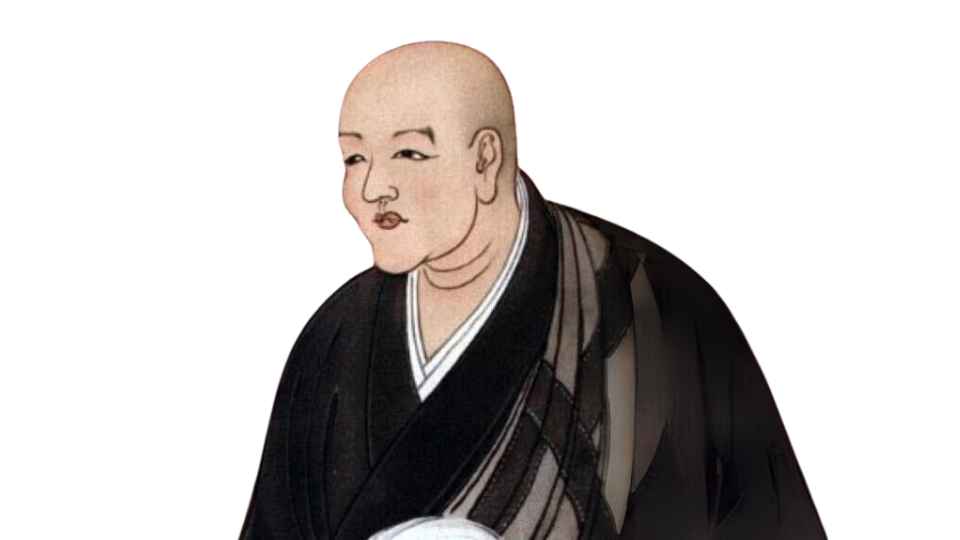
Embracing the Heart of Existence
In the quote, "Once its heart is grasped, you are like a dragon that has reached the water, like a tiger that finds itself in the mountains," Dōgen invites us to explore the profound connection between understanding our true nature and experiencing a sense of belonging in the world. This metaphor speaks to the transformative power of grasping the essence of our being, suggesting that when we align with our heart's truth, we embody a fierce and natural confidence. The stakes are high; this realization can lead to a life of authenticity, where we navigate our existence with the grace and strength of a dragon or a tiger.
Delving deeper, Dōgen’s words resonate with the Zen understanding of naturalness and the inherent qualities of our existence. The imagery of the dragon and the tiger evokes a sense of power and freedom, suggesting that when we connect with our heart, we tap into an elemental force that propels us forward. This connection is not merely an intellectual exercise; it is a visceral experience that transforms our perception of self and the world around us. In this light, Dōgen's teaching becomes a call to awaken to our true nature and to live with the authenticity that arises from such an awakening.
The image / the metaphor
The imagery in Dōgen's quote is rich and evocative. The dragon, a creature often associated with strength and wisdom in various cultures, symbolizes the profound realization that comes when one understands their heart's essence. The act of reaching water is not just about quenching thirst; it signifies a return to a source of life, vitality, and clarity. Similarly, the tiger in the mountains embodies a sense of mastery and belonging, suggesting that when we grasp our heart's truth, we find ourselves in our rightful place, fully engaged with the world around us.
Going deeper into the metaphor, we can see that both the dragon and the tiger represent aspects of our own nature that are often obscured by societal expectations and personal fears. The water symbolizes the fluidity of life and the nurturing qualities of understanding, while the mountains represent the challenges and heights we can achieve when we are grounded in our true selves. Dōgen's imagery invites us to reflect on our own journeys—how often do we feel like we are floundering in a desert, disconnected from our essence? When we grasp the heart of our being, we can rise to the heights of our potential, embodying the strength of the dragon and the grace of the tiger.
In the speaker's tradition
Situated within the Zen tradition, Dōgen's teaching emphasizes the importance of direct experience and the realization of one's true nature, often referred to as 'dharma.' This concept encompasses the natural order of the universe and our place within it, suggesting that understanding our heart is integral to living in harmony with this order. The Zen practice of zazen, or seated meditation, serves as a means to cultivate this understanding, allowing practitioners to delve into the depths of their being and uncover the essence that Dōgen speaks of. This journey towards self-realization is akin to the concepts of 'kenosis' in Christian mysticism, where one empties oneself to be filled with divine presence.
In Dōgen's work, particularly in "Bendowa," he emphasizes the importance of practice in realizing the heart's truth. He writes about the necessity of engaging with the world through a lens of awareness and presence, echoing the teachings found in other Zen texts such as the "Heart Sutra," which speaks to the emptiness of all phenomena. This emptiness is not a void but a space of potential, where the heart can be grasped and understood, leading to a profound transformation in how we relate to ourselves and the world.
Living the teaching
Consider a modern scenario where this teaching might resonate: a person facing a significant life decision, perhaps a career change or a relationship crossroads. In such moments, the struggle often lies in the noise of external expectations and internal doubts. However, when one takes the time to connect with their heart—through reflection, meditation, or simply being present with their feelings—they may find clarity akin to a dragon finding water. This clarity allows them to act with confidence and authenticity, embracing the path that truly resonates with their essence.
Another application of Dōgen's teaching can be found in the realm of relationships. Imagine a couple navigating a challenging period, where misunderstandings and unspoken fears create distance. By each partner taking the time to grasp their own heart's truth—acknowledging their feelings, fears, and desires—they can approach one another with a newfound understanding. This process of self-discovery not only strengthens their bond but also allows them to embody the qualities of the tiger, standing strong in their truth while remaining open to the connection they share.
A reflection
As we contemplate Dōgen's profound words, we are invited to ask ourselves: What does it mean for me to grasp the heart of my existence? In what ways do I feel like a dragon or a tiger in my life, and how can I cultivate that sense of naturalness and strength? Reflecting on these questions can lead us to deeper insights about our journey and the ways we can align with our true selves, ultimately guiding us toward a more authentic and fulfilling life.


