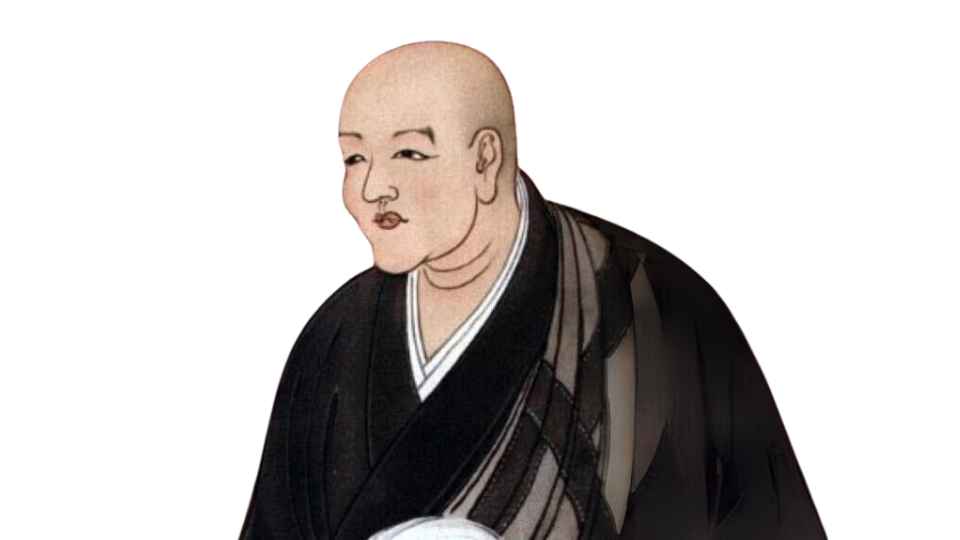
The Unveiling of Reality: Dōgen's Insight
Dōgen's assertion that "It is the manifestation of ultimate reality" invites us to explore the profound depths of existence as revealed through our practice. This statement serves as a reminder that reality is not merely a backdrop to our lives but an active, dynamic presence that unfolds in each moment. Understanding this concept is crucial for those on a spiritual path, as it challenges us to reconsider our perceptions and engage more deeply with the essence of our being.
At its core, Dōgen's quote beckons us to recognize that ultimate reality is not a distant or abstract idea but something that can be experienced directly through our practice of zazen, or seated meditation. This engagement with reality is not passive; it requires our full presence and attention. By manifesting this ultimate reality, we are invited to dissolve the barriers between ourselves and the world, fostering a sense of unity and interconnectedness that is essential for spiritual growth.
The image / the metaphor
The phrase "manifestation of ultimate reality" conjures a vivid image of reality as a living, breathing entity that reveals itself in layers. The word "manifestation" suggests an active process, one that requires our participation and awareness. It implies that reality is not a static state but rather a continuous unfolding, a dance of existence that we are invited to join. This dynamic quality of reality encourages us to engage with it fully, to witness its beauty and complexity as it emerges in our lives.
In the speaker's tradition
Within the Zen tradition, Dōgen's insight resonates with key concepts such as sunyata, or emptiness, and prajna, or wisdom. Sunyata teaches us that all phenomena are interdependent and devoid of inherent existence, suggesting that ultimate reality transcends our conventional understanding. This emptiness is not a void but a fertile ground from which all experiences arise, inviting us to engage with the world without attachment or aversion. In this light, Dōgen's quote becomes a call to embrace the fluidity of existence and to recognize the interconnectedness of all things.
Moreover, Dōgen's teachings in "Bendowa" emphasize the importance of zazen as a means to realize this ultimate reality. He writes about the necessity of practice in uncovering the truth of our existence, suggesting that through meditation, we can access a deeper understanding of ourselves and the world around us. This aligns with the Zen principle of direct experience, where wisdom is not merely intellectual but arises from our lived encounters with reality.
Living the teaching
Consider a modern scenario where this teaching might resonate: a busy professional caught in the whirlwind of daily life. Amidst the chaos of deadlines and responsibilities, the practice of zazen offers a sanctuary, a moment to pause and reconnect with the essence of reality. In these moments of stillness, the individual may begin to perceive the interconnectedness of their thoughts, emotions, and actions, realizing that their experience is not isolated but part of a larger tapestry of existence. This awareness can transform how they approach their work and relationships, fostering a sense of presence and purpose.
In a different context, imagine a challenging moment in a relationship, where misunderstandings and conflicts arise. By embodying Dōgen's teaching, one might approach the situation with a sense of openness and curiosity, recognizing that the manifestation of ultimate reality is present even in discomfort. This perspective encourages a compassionate engagement with the other person, allowing for deeper communication and understanding. In this way, the practice of zazen becomes a tool for navigating the complexities of human connection, revealing the potential for growth and healing.
A reflection
As we contemplate Dōgen's profound statement, we are invited to ask ourselves: How can I cultivate a deeper awareness of the ultimate reality manifesting in my life? This question encourages us to reflect on our daily experiences, inviting us to notice the moments of beauty, connection, and insight that often go unnoticed. By engaging with this inquiry, we open ourselves to the possibility of transformation, allowing the richness of reality to unfold before us.


