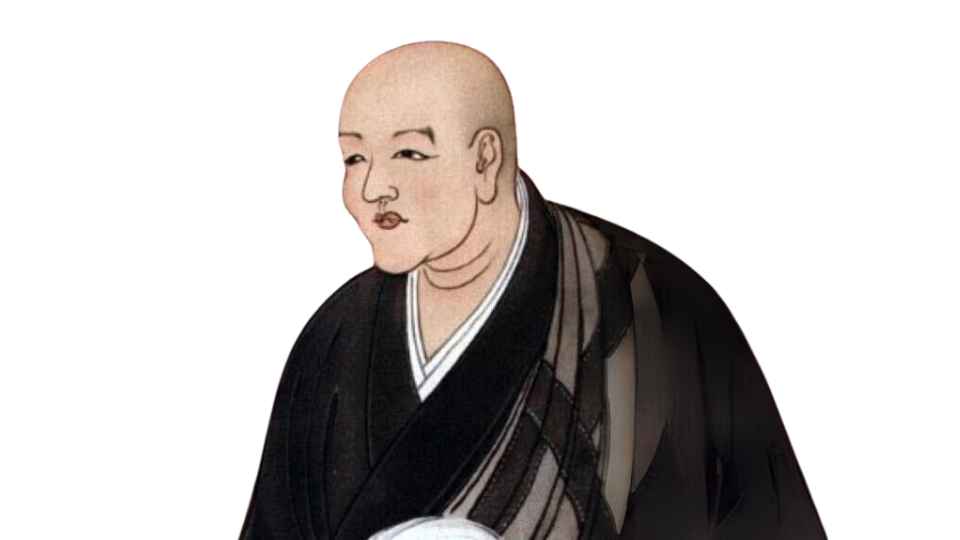
In the quote, "In the spring, flowers; in the summer, the cuckoo; in autumn, the moon; in winter, snow, clear, cold," Dōgen captures the essence of nature's cyclical beauty and the profound lessons it imparts. Each season, with its distinct characteristics, serves as a metaphor for the stages of life, inviting us to embrace change and find beauty in simplicity. This perspective is not merely an observation of the natural world but a call to deepen our understanding of existence and our place within it.
Dōgen's words remind us that life is a series of transformations, each with its own unique offerings. By recognizing the beauty inherent in each season, we cultivate an appreciation for the transient nature of our experiences. This awareness encourages us to live fully in the present moment, allowing the rhythms of life to guide us rather than resisting them. In a world that often prioritizes permanence and stability, Dōgen's invitation to embrace the ephemeral becomes a radical act of mindfulness.
The image / the metaphor
The imagery in Dōgen's quote evokes a vivid sense of the natural world, where each season is marked by specific phenomena that resonate with our senses. Spring brings forth flowers, a symbol of renewal and potential; summer introduces the cuckoo, a herald of warmth and vitality; autumn presents the moon, a reminder of reflection and introspection; and winter offers snow, a moment of stillness and clarity. The verbs chosen—"flowers," "cuckoo," "moon," and "snow"—are not merely descriptive but imbued with a felt sense of presence, inviting us to engage with each season's essence.
Dōgen's metaphor extends beyond the literal seasons to reflect the cycles of our lives. Each season represents a phase of existence, suggesting that just as nature undergoes transformation, so too must we. The flowers of spring symbolize the blossoming of new ideas and possibilities, while the cuckoo's call in summer encourages us to embrace joy and vitality. Autumn's moon invites contemplation, urging us to reflect on our experiences, and winter's snow embodies the clarity that comes from stillness. This cyclical understanding of life encourages us to accept change as a fundamental aspect of our journey.
In the speaker's tradition
Dōgen, a prominent figure in Zen Buddhism, emphasizes the interconnectedness of all things and the importance of being present in each moment. His teachings often draw upon concepts such as *sunyata* (emptiness) and *prajna* (wisdom), which encourage practitioners to see beyond the surface of existence and recognize the impermanence that defines our lives. In this context, the seasons serve as a reminder of the transient nature of all phenomena, urging us to cultivate a sense of awareness and acceptance.
Living the teaching
Consider a modern scenario where this teaching resonates: a person navigating the challenges of a career transition. As they face uncertainty and change, the metaphor of the seasons can provide solace and guidance. Just as spring heralds new beginnings, this individual can embrace the potential for growth and renewal in their professional life. By recognizing that each phase of their journey—whether it be the excitement of new opportunities or the introspection of autumn—holds its own beauty, they can cultivate resilience and adaptability.
In relationships, Dōgen's wisdom can also illuminate the dynamics of connection. Imagine a couple experiencing a difficult moment, perhaps a conflict that feels insurmountable. By reflecting on the seasonal metaphor, they can recognize that just as winter gives way to spring, their relationship too can evolve through challenges. This understanding encourages them to approach their difficulties with patience and compassion, allowing for growth and transformation rather than stagnation.
A reflection
As we contemplate Dōgen's words, we are invited to consider the cyclical nature of our own lives. How can we embrace the beauty of each season, both in nature and within ourselves? In what ways can we cultivate a deeper awareness of the present moment, allowing the rhythms of life to guide us? Reflecting on these questions can lead to a richer understanding of our experiences and a greater appreciation for the transient beauty that surrounds us.


