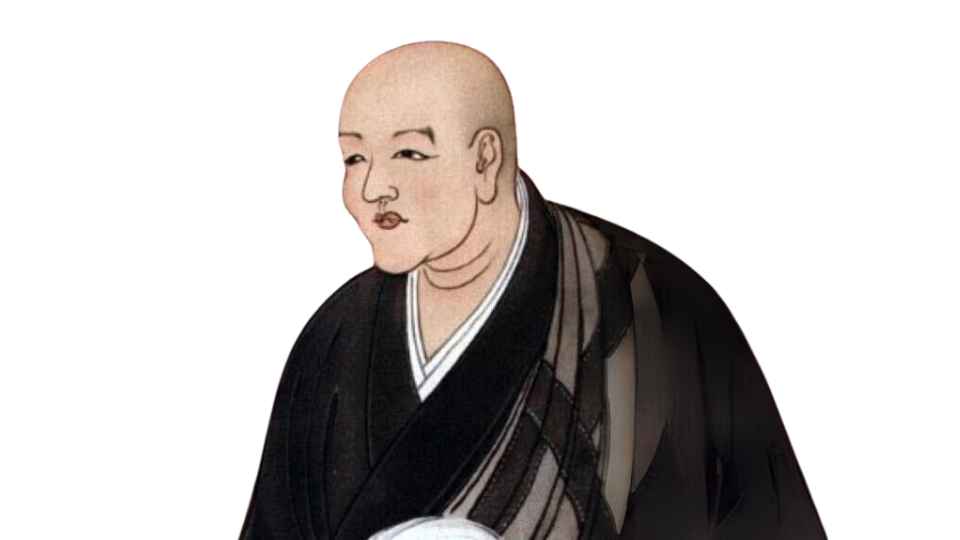
Beyond Reflection: The Depth of Perception in Dōgen's Wisdom
In the quote, "In seeing forms with the body and mind, in hearing sounds with the body and mind — though we perceive intimately, it is not like a reflection in a mirror," Dōgen invites us to explore the nature of perception and intimacy. He suggests that our experiences, while deeply felt, are not mere reflections of reality but rather complex interactions with the world around us. This distinction is crucial for understanding how we engage with our surroundings and ourselves, emphasizing that true perception transcends superficial observation.
To delve deeper, Dōgen's words challenge us to reconsider the essence of our experiences. The act of seeing and hearing is not simply about the physical senses; it encompasses a profound engagement with existence itself. This perspective encourages us to cultivate a more nuanced awareness, one that recognizes the layers of reality beyond mere appearances. By doing so, we can foster a deeper connection to our experiences and the world, moving beyond the limitations of a reflective understanding.
The image / the metaphor
Dōgen's imagery of seeing and hearing with both body and mind evokes a rich tapestry of sensory engagement. The verbs "seeing" and "hearing" imply an active participation in the world, suggesting that perception is not a passive act but a dynamic interplay between the observer and the observed. The metaphor of a mirror, often associated with clarity and reflection, contrasts sharply with the intimate, lived experience that Dōgen describes. This distinction highlights the limitations of mere reflection, which can distort or simplify the complexities of reality.
Going deeper into the metaphor, we can understand that a mirror reflects only surface appearances, while true perception involves an immersion in the essence of what is perceived. This intimacy requires us to engage with our experiences fully, allowing ourselves to be transformed by them rather than merely observing them from a distance. Dōgen's teaching encourages us to move beyond the superficiality of reflections and to embrace the richness of direct experience, where the boundaries between self and other dissolve into a shared existence.
In the speaker's tradition
Situated within the Zen tradition, Dōgen's insights resonate with key concepts such as prajna, or wisdom, and sunyata, the emptiness that underlies all phenomena. His emphasis on direct experience aligns with the Zen practice of zazen, or seated meditation, where practitioners cultivate awareness of the present moment. This approach invites us to transcend dualistic thinking and to recognize the interconnectedness of all things, fostering a deeper understanding of our place within the cosmos.
In his seminal work, "Shobogenzo," Dōgen elaborates on the nature of reality and perception, emphasizing that our understanding is shaped by our engagement with the world. He writes about the importance of "dropping off body and mind," a practice that encourages letting go of the ego's grasp on perception. This aligns with the idea that true intimacy with our experiences requires a surrendering of the self, allowing us to perceive the world as it is, rather than through the lens of our preconceived notions.
Living the teaching
Consider a modern scenario where this teaching can be applied: a bustling city street filled with noise and activity. As we walk, we may see the vibrant colors of storefronts and hear the cacophony of voices and traffic. However, if we approach this experience as mere observation, we risk missing the richness of the moment. By engaging fully with our surroundings, allowing ourselves to feel the energy of the city and the stories of its inhabitants, we can transform a mundane experience into a profound encounter with life.
In the context of relationships, Dōgen's teaching invites us to practice deeper listening and presence. Imagine a conversation with a loved one where we are distracted by our thoughts or devices. If we approach this interaction as a mere exchange of words, we may miss the emotional nuances and the underlying connection. By being fully present, we can cultivate a genuine intimacy that transcends mere reflection, allowing us to truly hear and see the other person, fostering a deeper bond and understanding.
A reflection
As we contemplate Dōgen's wisdom, we are invited to reflect on the nature of our own perceptions. How often do we engage with the world around us as mere observers, allowing our experiences to pass by without truly connecting with them? In what ways can we cultivate a deeper intimacy with our surroundings and the people in our lives? This contemplation encourages us to explore the richness of our experiences, inviting us to move beyond the surface and into the depths of existence.


