The Sacred Art of Presence in Everyday Tasks
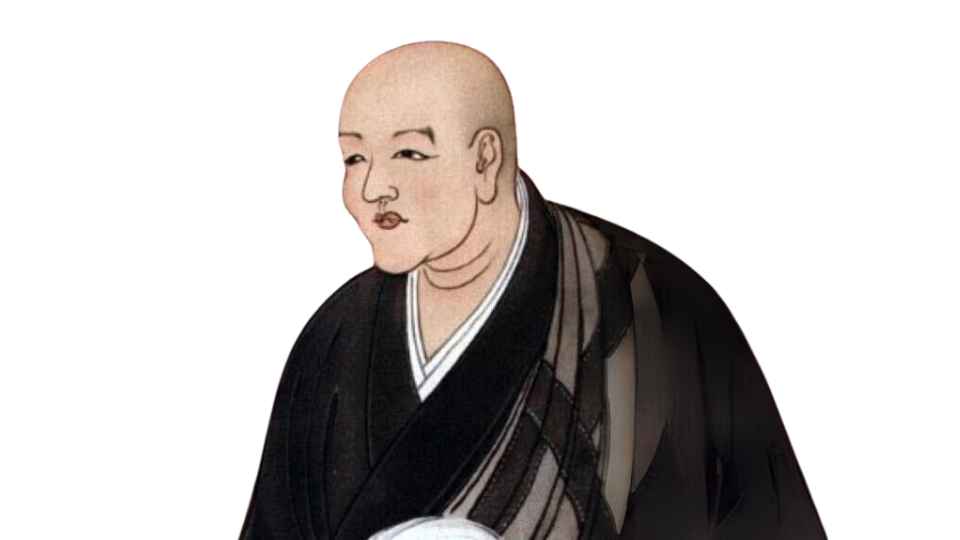
In the words of Dōgen, "Cooking the rice is the work of the buddhas," we find a profound invitation to recognize the sacredness embedded in our daily tasks. This statement transcends the mere act of cooking, urging us to see the spiritual significance of our work and the importance of being fully present in each moment. By framing a simple, mundane activity as a form of spiritual practice, Dōgen challenges us to reconsider how we engage with the world around us, elevating the ordinary to the extraordinary.
At its core, this quote speaks to the essence of mindfulness and the art of being present. In a world that often prioritizes efficiency and productivity over presence and intention, Dōgen's words remind us that every action, no matter how trivial it may seem, can be infused with meaning and purpose. The act of cooking rice, a staple in many cultures, becomes a metaphor for the deeper work of cultivating awareness, compassion, and connection in our lives. It invites us to slow down and appreciate the beauty of the moment, transforming our everyday tasks into opportunities for spiritual growth.
The image / the metaphor
When we consider the imagery of "cooking the rice," we are drawn into a sensory experience that evokes warmth, nourishment, and care. The act of cooking itself is rich with verbs that suggest attentiveness: washing, boiling, stirring, and waiting. Each step requires our full engagement, inviting us to immerse ourselves in the process rather than rushing to the end result. This vivid imagery serves as a reminder that the journey is just as important as the destination, and that our presence in each moment shapes the quality of our experience.
Delving deeper into the metaphor, we can see that cooking rice symbolizes the nurturing of our own inner lives. Just as rice requires careful attention to transform from raw grain to a nourishing meal, our spiritual development demands patience, dedication, and presence. The act of cooking becomes a ritual, a practice that connects us to the earth, to our bodies, and to one another. In this light, Dōgen's quote invites us to recognize that every moment of our lives can be approached with the same reverence and mindfulness we might reserve for more traditionally sacred activities.
In the speaker's tradition
Dōgen, a pivotal figure in Zen Buddhism, emphasizes the interconnectedness of all things and the importance of living in accordance with the dharma. His teachings often explore concepts such as sunyata (emptiness) and prajna (wisdom), which encourage practitioners to see beyond the surface of existence and recognize the inherent value in every action. By framing cooking as the work of the buddhas, Dōgen aligns the mundane with the profound, suggesting that spiritual awakening is not separate from our daily lives but rather woven into the fabric of our everyday experiences.
In his seminal work, the "Tenzo Kyokun," Dōgen elaborates on the principles of mindful cooking, emphasizing the importance of intention and presence in the kitchen. He writes about the necessity of understanding the nature of food, the seasons, and the needs of those we serve. This text serves as a practical guide for Zen practitioners, illustrating how the act of preparing meals can become a form of meditation, a way to cultivate awareness and compassion in our interactions with the world.
Living the teaching
Consider a modern scenario where this teaching resonates: a busy parent preparing dinner after a long day. In the rush to feed the family, it is easy to become distracted, viewing cooking as a chore rather than an opportunity for connection. However, by embracing Dōgen's wisdom, the parent can transform this routine task into a moment of mindfulness. As they chop vegetables and stir the pot, they can focus on the textures, colors, and aromas, allowing the act of cooking to become a meditation that fosters presence and gratitude.
In another context, imagine a challenging conversation with a loved one. The temptation may be to rush through the dialogue, seeking resolution rather than truly listening. By applying the principle of "cooking the rice," one can approach the conversation with the same care and attention that Dōgen advocates for in the kitchen. This means being fully present, listening deeply, and responding with intention, thereby transforming a potentially fraught interaction into an opportunity for deeper understanding and connection.
A reflection
As we contemplate Dōgen's assertion that "cooking the rice is the work of the buddhas," we are invited to reflect on our own relationship with the tasks that fill our days. How can we infuse our daily activities with mindfulness and presence? In what ways might we transform the ordinary into the sacred, recognizing that every moment holds the potential for spiritual awakening? Let this contemplation guide you as you navigate the complexities of life, reminding you that the work of the buddhas is not confined to temples or retreats but is alive in the very act of living.


