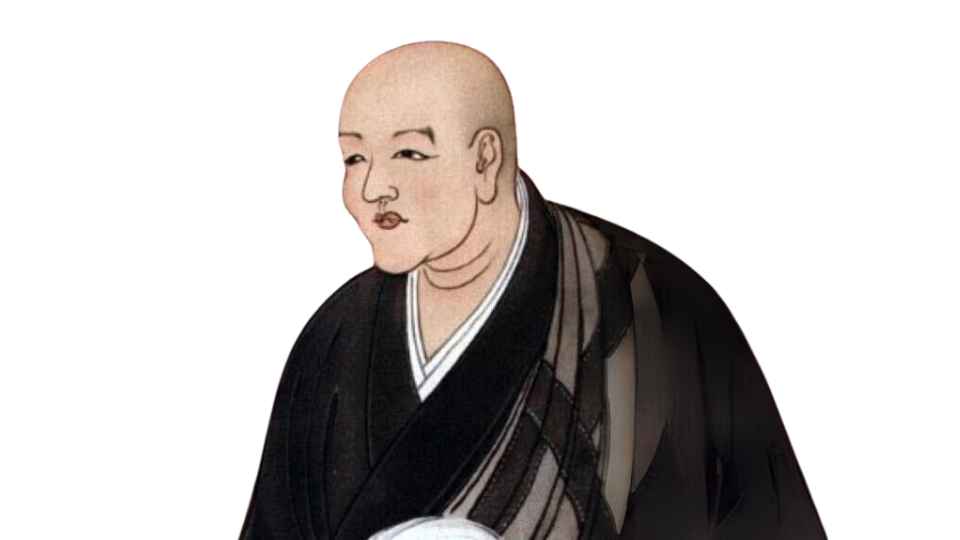
Embracing the Paradox of No-Death
Dōgen's assertion that "death is understood as no-death" invites us to reconsider our relationship with mortality. This profound statement challenges the conventional view of death as an endpoint, suggesting instead that it is an integral part of the continuum of existence. By embracing this perspective, we can cultivate a deeper understanding of life, allowing us to navigate our fears and attachments with greater ease. The stakes are high; in a culture that often shies away from the subject of death, Dōgen’s wisdom offers a transformative lens through which we can view our lives and our inevitable passing.
To grasp the essence of Dōgen's teaching, we must delve into the nature of existence itself. The Zen tradition emphasizes the interconnectedness of all things, where life and death are not opposing forces but rather two sides of the same coin. This understanding encourages us to confront our fears and anxieties surrounding death, ultimately leading to a more profound appreciation for the present moment. In doing so, we can cultivate a sense of peace and acceptance that transcends the boundaries of life and death, allowing us to live more fully and authentically.
The image / the metaphor
Dōgen's phrase "no-death" evokes a rich tapestry of imagery that invites contemplation. The juxtaposition of death and no-death suggests a fluidity in our understanding of existence, where the finality we associate with death is softened by the notion of continuity. The verbs chosen—"understood"—imply an active engagement with this concept, urging us to explore and internalize the meaning behind it. This exploration can lead to a felt sense of liberation, as we begin to see death not as a termination but as a transformation, a transition into another state of being.
In the speaker's tradition
Dōgen's insights are deeply rooted in the Zen tradition, which emphasizes direct experience and the realization of one's true nature. Central to this understanding is the concept of dharma, which encompasses the teachings and laws governing the universe. In recognizing death as no-death, we align ourselves with the fundamental truths of existence, where the impermanence of life is celebrated rather than feared. This perspective resonates with the notion of kenosis, or self-emptying, where one relinquishes attachments to the self and embraces the flow of life and death as a unified whole.
In his seminal work, the Genjokoan, Dōgen articulates the idea that all phenomena arise from the same source and return to it, reinforcing the interconnectedness of existence. This cyclical understanding of life and death echoes the teachings found in other spiritual traditions, such as the concept of fana in Sufism, which speaks to the dissolution of the self in the divine. By situating Dōgen's teaching within this broader context, we can appreciate the universality of the message: that life and death are not separate entities but rather integral aspects of the same cosmic dance.
Living the teaching
Consider a modern scenario where this teaching might resonate: a loved one is diagnosed with a terminal illness. In such moments, the fear of loss can be overwhelming, yet Dōgen's perspective invites us to reframe our experience. Instead of viewing death as an end, we can see it as an opportunity for deeper connection and understanding. By embracing the idea of no-death, we can focus on the quality of our interactions, cherishing the time we have together and recognizing the beauty in the shared moments, even as we face the reality of impending loss.
Another application of this teaching can be found in the realm of relationships. When conflicts arise, we often cling to our perceptions of right and wrong, fearing the dissolution of the relationship itself. However, by embodying the principle of no-death, we can approach these challenges with a sense of openness and curiosity. This perspective allows us to see conflicts not as threats to our connection but as opportunities for growth and transformation. In this way, we learn to navigate the complexities of human relationships with grace, recognizing that every ending can lead to a new beginning.
A reflection
As we contemplate Dōgen's profound assertion, we are invited to reflect on our own understanding of life and death. How do our fears and attachments shape our experience of existence? In what ways can we embrace the concept of no-death to cultivate a deeper appreciation for the present moment? By engaging with these questions, we can begin to unravel the layers of our own perceptions, allowing the wisdom of Dōgen to guide us toward a more expansive understanding of our place within the cosmos.


