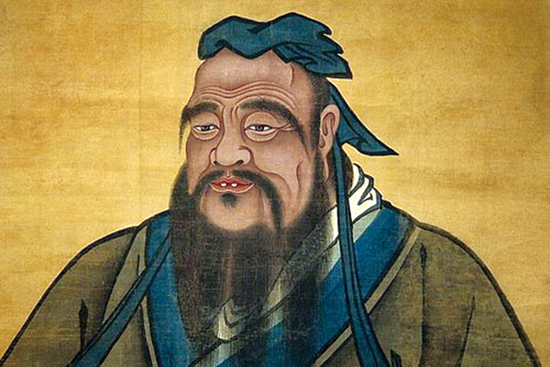
The Virtue of Mutual Establishment
In the words of Confucius, "The man of perfect virtue, wishing to be established himself, seeks also to establish others." This profound statement encapsulates the essence of virtuous living, suggesting that true moral integrity is not merely a personal endeavor but a communal one. The stakes are high: in a world often driven by individualism, the call to uplift others becomes a radical act of love and responsibility. This teaching invites us to reflect on our interconnectedness and the ways in which our personal growth is inextricably linked to the flourishing of those around us.
Delving deeper, we find that this quote speaks to the heart of Confucian ethics, which emphasizes the importance of relationships and social harmony. The notion of "establishing" oneself and others suggests a dynamic interplay of support and guidance, where the cultivation of virtue is both a personal journey and a collective mission. In this light, the pursuit of personal excellence is not an isolated achievement but a shared responsibility that fosters a more compassionate and just society.
The image / the metaphor
At its core, the imagery in Confucius's quote evokes a sense of mutual upliftment. The verbs "seeks" and "establish" imply an active engagement with the world, where one’s own virtue is not a static quality but a living force that seeks to inspire and empower others. The phrase "man of perfect virtue" conjures an image of an individual who embodies moral excellence, yet it is the act of seeking to establish others that truly defines his character. This duality of self and other creates a rich tapestry of relational ethics, where the journey towards virtue is shared and communal.
Going deeper, the metaphor of establishment suggests a foundation upon which both the individual and the community can thrive. Just as a tree requires a strong root system to grow tall and bear fruit, so too does a virtuous person need to nurture the growth of others to create a flourishing environment. This interconnectedness highlights the importance of mentorship, guidance, and support in the cultivation of virtue, reminding us that our personal development is intertwined with the well-being of those around us.
In the speaker's tradition
Within the rich tapestry of Confucian thought, this quote resonates with several key concepts, such as ren (benevolence) and li (ritual propriety). Ren emphasizes the importance of compassion and empathy in our interactions, while li provides the structure and norms that guide our relationships. Together, these principles create a framework for understanding how individual virtue can contribute to the greater good. This idea parallels concepts found in other spiritual traditions, such as dharma in Hinduism, which emphasizes one’s duty to act in ways that support the collective well-being.
Moreover, the Analects, where this quote is found, serves as a foundational text that illustrates the practical application of Confucian ideals. In various passages, Confucius discusses the importance of education, self-cultivation, and the role of the gentleman (junzi) in society. The junzi is not merely a person of high moral standing but one who actively seeks to uplift others, embodying the very essence of the teaching that virtue is a communal endeavor. This interconnectedness of personal and collective virtue is a recurring theme throughout the Analects, reinforcing the idea that true moral character is reflected in our relationships with others.
Living the teaching
Consider a modern scenario in which a teacher dedicates themselves not only to their own professional development but also to the growth of their students. This educator embodies the spirit of Confucius's teaching by creating an environment where students feel valued and supported. By investing time in mentoring and encouraging their students, the teacher establishes a culture of mutual respect and aspiration. In this way, the teacher's pursuit of excellence becomes a catalyst for the students' own journeys, illustrating the profound impact of seeking to establish others.
In a different context, think about a friendship where one person is going through a difficult time. The act of listening, offering support, and encouraging the other to find their own strength is a manifestation of establishing another. This relationship becomes a space where both individuals grow; the one offering support deepens their understanding of compassion, while the one receiving it learns to navigate their challenges with resilience. Such moments of connection remind us that living the teaching of Confucius is not confined to grand gestures but is often found in the quiet, everyday acts of kindness and support.
A reflection
As we contemplate the wisdom of Confucius, we are invited to reflect on our own lives: How can we actively seek to establish others while also nurturing our own growth? This question challenges us to consider the ways in which our actions impact those around us and encourages us to cultivate a spirit of generosity and support. In a world that often prioritizes individual success, the call to mutual establishment serves as a reminder of our shared humanity and the profound interconnectedness that binds us all.