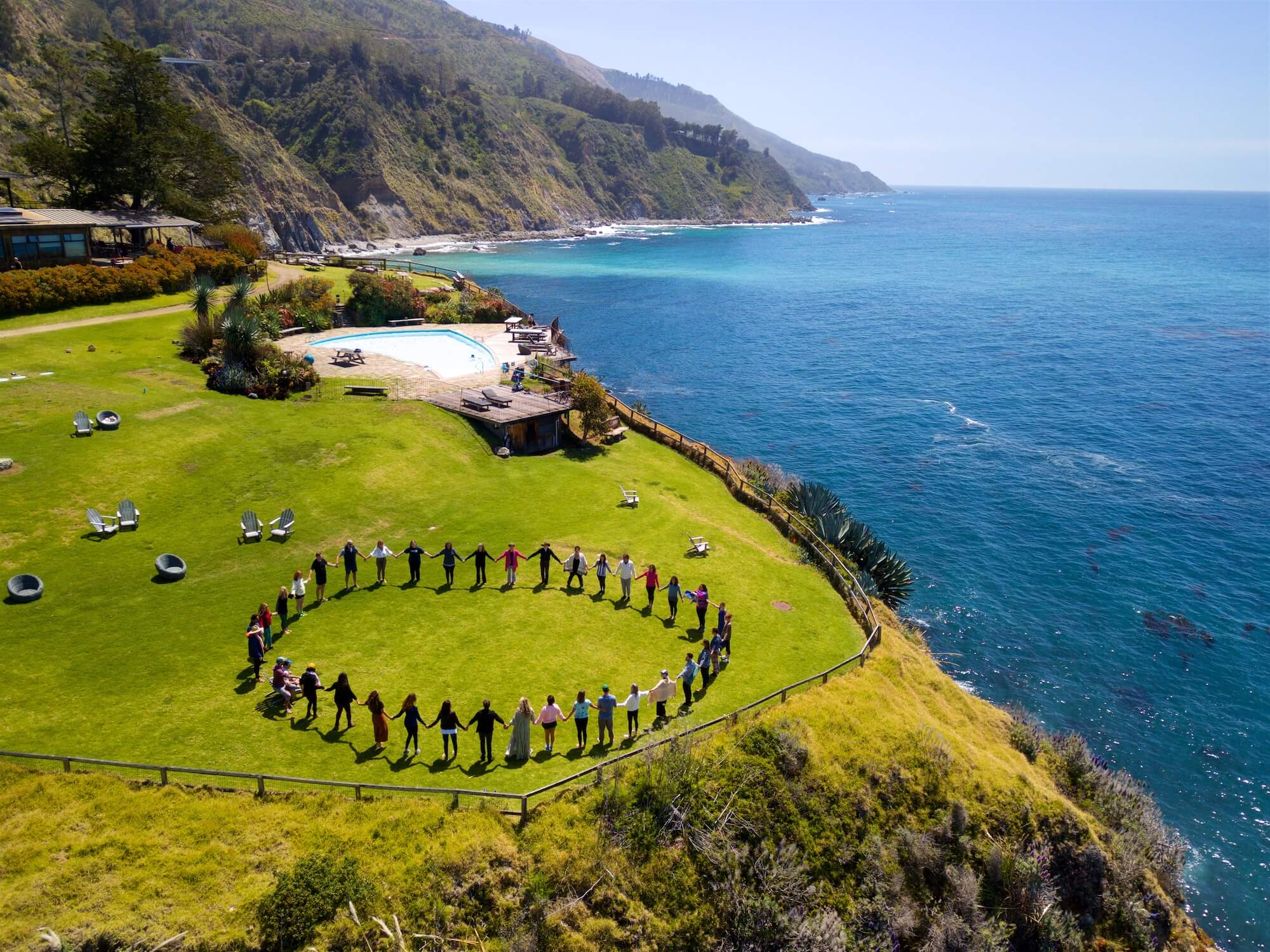
On a bluff overlooking the Pacific coast at Big Sur, California, Esalen Institute maintains one of North America's most radical experiments in human presence: the baths. Unlike resort spas or wellness destinations designed to pamper and profit, these mineral-fed pools—fed by natural hot springs—have been a site of genuine transformation since the Institute's founding in 1962. The nudity here isn't about hedonism or provocation. It's structural. Esalen's ethos asks a simple, devastating question: What happens when we remove one of culture's heaviest garments—shame about the body itself?
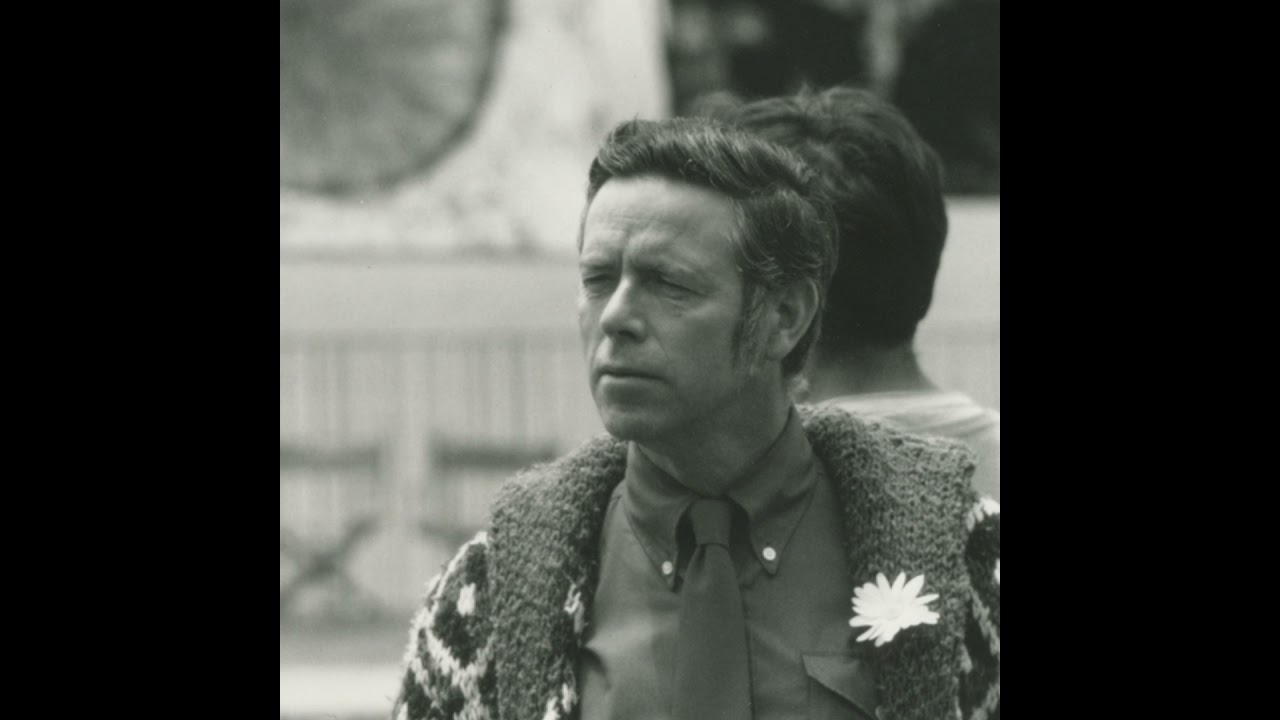
The baths exist in a lineage of thought that predates modern body positivity by decades. Esalen was built on the conviction that authentic self-discovery requires us to unplug from the habitual performances we carry into every room. Clothes, in this context, aren't mere fabric; they're armor. And armor, however protective, distances us from ourselves and each other. One of Esalen's early pioneers describes the naked experience in the pools as "one of the big shattering experiences of my life"—not because nudity was itself revolutionary, but because it was culturally quite radical to see a bunch of people naked, to inhabit a shared space where bodies simply existed without judgment or hierarchy.
What distinguishes Esalen's approach from simple hedonism is the absolute absence of compulsion. As one teacher observes, "most people that come and the first time they're exposed to this concept" understand that they "have freedom you can make a choice you can choose to wear your clothes you can choose not to nobody's going to bug you either way." It's a deeply conflicting and opening experience because, in American culture especially, choice around the body is rarely framed as neutral. Nudity carries moral weight. Wearing a bathing suit in a pool of naked people also carries weight—but at Esalen, both choices exist in the same space without judgment.
One seminarian arriving for the first time describes arriving at the baths in a nightgown—a last-ditch effort to maintain modesty—only to have her roommate gently suggest she didn't have to wear it. The shift from compulsory propriety to genuine choice is itself transformative. Another visitor recounts the moment of arrival with precision: coming into the bathhouse timid, wrapped in a towel, contracted and wary, then seeing others "sitting out there naked and just kind of like open and Bliss," and then the recognition: "they see that it's okay." What follows is what she calls an "unraveling process"—a shedding not just of garments but of the defensive postures we carry in our bodies.
The transformation isn't instantaneous or easy for everyone. One longtime practitioner didn't grow up at Esalen; he came from a Midwest background where he "wasn't comfortable with nudity" and carried real anxiety: "How embarrassing is this going to be?" His body image had been shaped by the cultural ideal popularized in the 1990s and 2000s—the athletic, lean aesthetic sold by brands like Abercrombie. He didn't fit that mold. "I didn't have the athletic build that was popularized in Abercrombie when I was a kid," he recalls. More fundamentally, he was "deeply in my head" and "disconnected from my body to the point where if I went to the beach my wife would tell you this I always wore a t-shirt to the beach because I I was so deeply insecure about my body."
The baths, combined with yoga practice he undertook around the same time, catalyzed a reversal so complete he describes it in stark terms: "I went from hating my body to loving my body just through the experience that you've just described." This isn't the forced positivity of affirmations or the consumer logic of fitness culture—buy the right product, achieve the right shape, earn self-worth. Instead, it's the quiet revelation that comes from being in a space where bodies of all kinds simply are, and are deemed acceptable, even beautiful.
Another practitioner who grew up at Esalen frames beauty differently than Hollywood metrics. She felt, alongside others there, "that our bodies were on some level beautiful not beautiful in a Hollywood kind of way like a flower is beautiful or a butterfly is beautiful." This reframing is crucial. It removes the body from the realm of competition, aesthetics judgment, and commodification. A body becomes beautiful the way a flower is beautiful—through its existence, its aliveness, its particularity. Not despite its flaws or imperfections, but inclusive of them.
One woman who practically grew up at Esalen traces her own arc with honesty. "I was always encouraged and I always felt comfortable," she says. But puberty changed things; she began wearing a bathing suit again, seeking coverage. Then, at sixteen, something shifted. "I started just going naked," she recalls simply. Now, witnessing others undergo their own permission process—the moment they recognize that freedom is available to them—she finds it meaningful to observe. "It's really beautiful to witness when someone has that like permission process and it's a privilege."
The baths at Esalen don't heal everyone overnight, nor do they claim to. But they do something subtler and perhaps more durable: they create a container where the body can be experienced as it is, without the constant narrative of improvement, judgment, or performance. In that silence—the silence of genuine acceptance—many people discover they've been holding their breath for years.
The hot springs themselves, fed by geothermal energy from the earth, become a metaphor for this work. The heat is generated not by effort or willpower, but by something older and deeper—the planet itself. Soaking in those waters, surrounded by others doing the same, there's no performance to maintain, no image to defend. There is only presence, and in that presence, a slow unraveling of the armor we've carried since we learned to be ashamed.
If you're curious about exploring embodied presence and the role of body acceptance in personal growth, Esalen offers residential and day-use programs that include access to the baths. Visit Esalen.org to learn about current offerings. You might also explore how practices like yoga, somatic therapy, and mindfulness—all rooted in direct experience of the body rather than ideas about it—can support your own relationship with embodiment. The work of befriending your body is ongoing; Esalen's baths are simply one laboratory where that work becomes possible.