In the hours before the full moon rises, practitioners gather around a fire that has burned for thousands of years—not the same flame, but the same intention. Agni Hotra, the ancient Vedic fire ceremony, represents one of Hinduism's highest rituals: a deliberate act of environmental and spiritual purification conducted through the precise application of heat, intention, and sacred offerings. The word itself carries the tradition's dual purpose—"Agni" signifies fire, while "Hotra" means healing. Together they name a practice that seeks to energize and purify not just the space where the ceremony occurs, but the consciousness of all beings within its reach.
What Makes Agni Hotra a Vedic Ritual?
Agni Hotra originates from the sacred texts of Vedic Hinduism, among humanity's oldest continuous spiritual traditions. The Vedas—the foundational scriptures of Hindu philosophy and practice—contain detailed instructions for fire ceremonies that date back millennia. Unlike modern wellness practices adopted wholesale from ancient sources, Agni Hotra has been transmitted through unbroken lineages of practitioners, each generation inheriting the exact procedures, mantras, and timing that define the ritual.
The ceremony itself is highly structured. It typically occurs on the day before the full moon, a timing rooted in the Vedic understanding of lunar cycles and their influence on subtle energetic fields. Practitioners gather in a designated space, often outdoors or in a specially prepared room, where a fire is lit and maintained according to specific protocols. The ritual involves offerings—traditionally ghee (clarified butter), grains, and other materials—placed into the flames at precise moments, accompanied by chanting and meditation. This is not performance; it is precision engineering of consciousness and environment.
How Does the Healing Aspect Work?
The healing dimension of Agni Hotra operates on multiple levels. At the most direct level, the ceremony is believed to purify the air and environment through the transformative power of fire. In Vedic cosmology, fire is the element of transformation itself—it breaks down matter and intention into their most refined states. When offerings are made to the fire with focused intention, that transformation is thought to ripple outward, affecting the subtle energetic body of everyone present and those living in the surrounding area.
For individual participants, Agni Hotra offers several effects: physical purification through breathing air treated by the ceremony, mental clarity through the meditative focus required to participate, and spiritual alignment through conscious participation in an ancient sacred act. The full-moon timing amplifies these effects, as the lunar cycle in Vedic understanding represents a peak of subtle energy. Many practitioners report experiencing peace, mental clarity, and a sense of energetic renewal following the ceremony.
Why Is This Ritual Considered One of the Highest Vedic Practices?
Among the many fire ceremonies and rituals described in the Vedas, Agni Hotra holds a distinctive rank. Its elevation stems from several factors: the simplicity and universality of its application (it does not require elaborate temple infrastructure or extensive priestly training), its direct efficacy (participants report tangible results), and its scope (it benefits not only those performing it but the entire region). In a spiritual context where personal benefit can be seen as limiting, a ritual designed to heal and purify "both the participants and those living in the area" represents an expansive act of compassion.
The ritual's standing also reflects the Vedic principle that fire itself is sacred—it is the element through which all offerings are transformed and made complete. To work deliberately with fire, with precise intention and ancient knowledge, is to participate in the creative force that sustains existence. This is why Agni Hotra appears consistently in the spiritual practices of retreat centers and ashrams throughout the Hindu world and increasingly in conscious communities beyond it.
How Has Agni Hotra Been Preserved and Transmitted?
Unlike many ancient practices that were lost or diluted through centuries of cultural disruption, Agni Hotra has been maintained through an oral and practical lineage. Vedic teachers have passed the exact procedures—the mantras, the timing, the proportions of offerings, the positioning of practitioners—from generation to generation. This continuity means that when you participate in an Agni Hotra ceremony today, you are engaging with a practice whose essential form has remained recognizable for thousands of years.
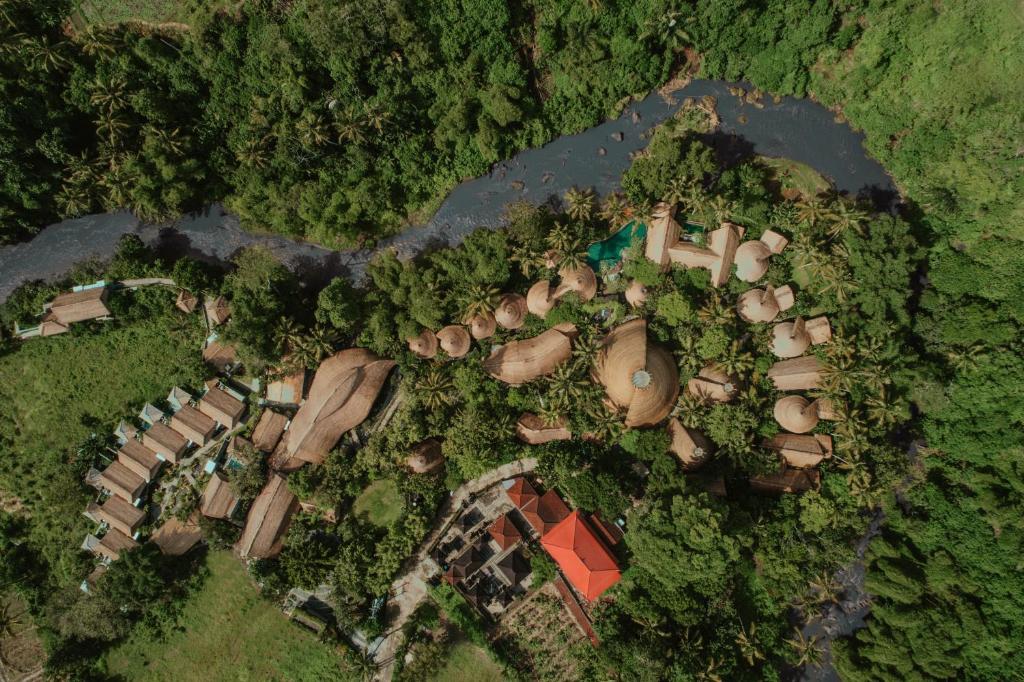
The ceremony's presence at contemporary retreat centers, such as those that host it monthly, reflects a broader revival of Vedic knowledge in the modern wellness and spiritual landscape. Yet this is not appropriation or invention—it is revival in the truest sense: the bringing back to life of knowledge that was always there, preserved in texts and in the living memory of practitioners.
What Does Participation in Agni Hotra Involve?
Participating in Agni Hotra typically requires no previous experience or initiation. Practitioners arrive at the designated time and space, sit in a respectful position near the fire, and follow the guidance of the ceremony leader. The main requirement is sincere intention—a genuine desire to be present and to allow the ritual's purifying effects to work. Some ceremonies include instruction in the mantras and meanings beforehand; others allow participants to simply be present and receive the benefits of the ceremony.
The sensory experience is central: the warmth of the fire, the smell of the offerings, the sound of mantras, the visual beauty of flames carrying intention skyward. For many, this multisensory engagement with an ancient practice creates a profound shift in consciousness, breaking through the habitual mental patterns of daily life and opening a direct experience of something sacred and timeless.
Where to go from here
If Agni Hotra resonates with you, consider seeking out a ceremony in your region or during a visit to a retreat center that hosts them. The practice requires no belief—only willingness to show up and participate. Reading further about Vedic fire ceremonies, exploring the philosophy behind ritual in Hindu traditions, or studying the Vedas themselves will deepen your understanding of why this ancient practice endures. For those drawn to environmental healing or collective spiritual practice, Agni Hotra offers a concrete way to participate in something larger than individual benefit—a ceremony designed to purify and energize not just yourself, but the world around you.


