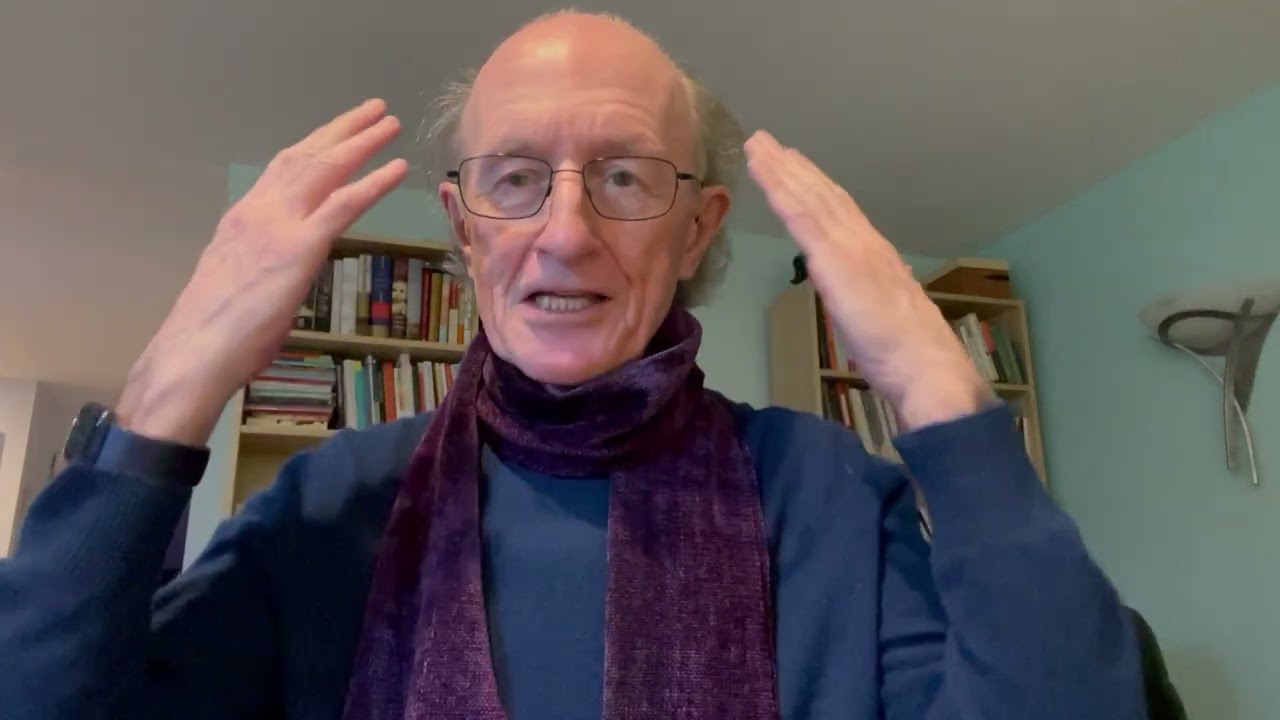
The room darkens. Sixty people settle into chairs and cushions. A meditation teacher pauses for a moment, then speaks simply: "Not to say very much, but what we'll do is begin with a period of meditation, then a talk." What follows is neither mystical nor obscure. It's a methodical journey through the architecture of the mind and body, using tools as concrete as breath and as subtle as attention. Over the next twenty-three minutes, the guide walks the group through a progressive relaxation designed to shift the nervous system from its habitual defensive posture into openness and presence. The sequence isn't haphazard. Each instruction builds on the last, like a musician layering instruments into a composition. The result is a practice that works at once on physiology, psychology, and spirit—a complete reorientation of how we meet our own experience.
The session begins with an assessment of the room. The teacher checks in: Who's new to meditation? Who's been practicing for years? This acknowledgment is itself a teaching—recognition that meditation isn't one thing, but a spectrum of depths and familiarity. Then comes the first invitation: find a comfortable posture, back straight, shoulders relaxed. Eyes gently closed, or soft gaze ahead.
This simplicity masks sophistication. Posture isn't decoration in vipassana practice. It sends a message to the nervous system before a single conscious thought can articulate it. A straight back signals alertness without tension. Relaxed shoulders signal safety. Most people arrive wound tight—their day compressed into muscle and fascia, their nervous system locked in a low-grade fight-or-flight response. Posture is the first intervention, a somatic reset that precedes words.
Then comes deep breathing: full in-breaths that fill the body, momentary pauses, then slow releases. The instruction is deceptively simple—"breathing in, calming the body; breathing out, calming the mind"—but the mechanism is what matters. These full, conscious breaths activate what neuroscientists call the parasympathetic nervous system, the "rest-and-digest" mode that stands in direct opposition to the sympathetic "fight-or-flight" state most people inhabit.
The teacher names this explicitly: "Just shifting from the fight-or-flight mode into the rest and digest mode—from the sympathetic to the parasympathetic nervous system." He's not waxing poetic. He's describing a measurable physiological shift. A long exhale, in particular, signals safety to the body—the nervous system reads it as a sign that the threat has passed, that vigilance can relax. What's striking about this teaching is its integration of ancient practice with modern neuroscience. Vipassana meditation, with roots reaching back twenty-five centuries, didn't have names for the parasympathetic nervous system. But its practitioners knew something fundamental: calm the body, and the mind follows.
After the breathing settles into its natural rhythm, attention shifts inward. The teacher introduces the body scan: "Let your awareness come into the body and you might just briefly scan your body—notice if there's any area where you're holding tension." The scan isn't a relaxation exercise in the modern spa sense. It's an investigation, a deliberate bringing of attention to places usually left in shadow.
He guides awareness toward the shoulders, the belly, the jaw—any place where tension has accumulated, often below conscious awareness. A pocket of tightness in the neck. Clenched abdominal muscles from stress or hurry. A locked jaw from unexpressed emotion. Most people don't notice these tensions until someone draws attention to them. The holding has become so familiar it's invisible.
But then comes something elegant: rather than fight the tension or try to force relaxation, the instruction is to breathe into the area and "allow a natural softening to happen." This reflects a core insight in body-based meditation—that force creates resistance. Attention itself, when held without judgment, can dissolve habitual holding patterns. The breath becomes an instrument of gentle inquiry rather than aggressive change. It's the difference between wrestling your body into submission and inviting it into collaboration.
Then comes an instruction that might seem almost whimsical but carries real neurological weight: "Invite a smile or half-smile to the corners of the eyes and the mouth." The teacher explains why: "The smile sends a message to the nervous system that we can relax, we don't have to be vigilant." This isn't motivational cheerfulness. It's somatic feedback, a feedback loop that runs from face to body rather than body to face.
The facial muscles, particularly around the eyes and mouth, are wired directly into the nervous system's threat-assessment circuitry. A genuine smile (even a half-smile, even a small one) sends a signal downward to the body that safety exists. The face and nervous system speak the same language. This is why forced positivity doesn't work—the nervous system can tell the difference between a genuine smile and a performance. But a real half-smile, even a modest one, has genuine power. The body receives the message and the sympathetic activation begins to ease.
By this point in the meditation—roughly six minutes in—the group has moved through a complete neurophysiological reset. The nervous system has been downregulated. Muscle tension has softened. The instruction has been almost entirely physical. But now the teaching shifts, from body to mind, though the body remains the anchor.
The teacher invites practitioners to choose a meditation object—perhaps the breath, perhaps sensation in the body, perhaps the ambient sounds in the room. "Just meeting the breath as it is without controlling it or changing it—breathing in knowing you're breathing in, breathing out knowing you're breathing out." The instruction is to rest awareness there, to let attention settle like a bird landing on a branch.
Then the inevitable happens: attention wanders. Thoughts arise. Plans, memories, daydreams, internal conversations take over. The mind does what minds do. This is where many new meditators feel they've failed. They came to meditate and ended up thinking. They think they're doing it wrong.
But the teacher reframes it entirely: "Developing a friendly relationship with thought is knowing that thinking isn't a problem in meditation, just something to be noticed. When our attention moves into stories, to wake up and then choose to be present, choose to be here." Thought isn't the enemy. Unconsciousness is. The practice isn't about achieving a blank mind—an impossible and undesirable goal. It's about noticing when awareness has left the present moment and gently, kindly bringing it back. This happens hundreds of times in a sitting. Each return is not a failure but a successful moment of waking up. The practice is built on these small awakenings, not on the absence of thought.
The meditation moves toward its close with a deepening of attitude. The teacher checks in: "Notice where your attention is right now. And just coming back when you wake up out of perhaps a story or planning or remembering or daydreaming." Then the crucial move: "Check in too with your attitude and ask the question: how am I meeting this moment, this experience?"
This is the culmination. The body has been settled. The nervous system has been shifted. Attention has been trained. Now comes the orientation that transforms all of this from technique into genuine practice. Rather than pushing away what's uncomfortable or clinging to what feels good, the instruction is to welcome it all—sensations, emotions, mind states, the sounds of the world—with openness and friendliness.
The teacher invokes Dorothy Hunt, a contemporary Dzogchen teacher: "This moment in the heart space where everything that is, is welcome. This moment in the heart space where everything that is, is welcome." This isn't sentimental. It's a profound reorientation. Most of human suffering stems not from what we experience but from our resistance to it. A headache is uncomfortable; fear of the headache creates suffering. Loneliness is difficult; shame about loneliness compounds it. Grief is painful; the belief that grief means something is wrong intensifies the pain. The practice of welcoming—of meeting experience with curious kindness rather than defensive contraction—is a subtle but complete reversal of our habitual strategy. It's the opposite of everything the nervous system trained us to do to survive.
The sequence offered here—settling, scanning, focusing, observing, welcoming—can become your own daily practice. Start with five or ten minutes. The breath is always available; the body is always present. As with any skill, consistency matters more than duration. A ten-minute practice done daily will serve you far better than occasional longer sits.
If you're drawn to vipassana practice more deeply, seek out a local meditation group or center that offers instruction and community sitting. The teaching continues to evolve—contemporary teachers integrate modern neuroscience with classical Buddhist psychology, making ancient wisdom accessible to minds shaped by contemporary science. Weekly classes, daylong programs, and retreat periods deepen the practice in ways solo sitting cannot. There's something about practicing in a room with others, surrounded by the collective intention to be present, that catalyzes the teaching.
This is not a practice that demands belief. It doesn't require you to accept any philosophy or join any tradition. It demands only willingness to notice what's true—what's actually present in your own body and mind right now. The nervous system responds to the breath whether or not you believe it will. The body softens when attention meets it with kindness. Thought settles when you stop fighting it. The heart opens when you stop defending against your own experience. These are not theories. They're discoveries you can make yourself, in your own sitting, beginning today.