BrightStar

Browse All Events

Discover conscious gatherings

events

Yoga
Meditation
Breathwork
Qigong
Tai Chi
Sacred Music
World Music
Medicine Music
Sound Healing
Ecstatic Dance
Popular Destinations
BaliSedonaLos AngelesCosta RicaNew YorkSan FranciscoAustinMiamiJoshua TreeTulum
View All CategoriesView All Destinations

Explore All Features

Powerful tools to grow your events

Platform Features

Smart Dynamic Pricing
Ticket Categories
Assigned Seating
Abandoned Cart Recovery
Visitor Recovery
Donations & Sliding Scale
Affiliate Engine
Ticket Scanner
Coupon Codes
Custom Questions
Ticket Sharing
Upsells & Add-ons
Analytics & Reporting
Email Sequences
Waitlist / Notify / Remind
People & Places
Artists & TeachersEvent OrganizersVenues & StudiosKnowledge BaseGlossaryInspiration
View All FeaturesAbout Us
PricingBlog
Language
Saved events
Browse All Events

events

YogaMeditationBreathworkQigongTai ChiSacred MusicWorld MusicMedicine Music

Popular Destinations

BaliSedonaLos AngelesCosta RicaNew YorkSan Francisco

People & Places

Artists & TeachersEvent OrganizersVenues & StudiosKnowledge BaseGlossaryInspiration

Platform Features

Smart Dynamic PricingTicket CategoriesAssigned SeatingAbandoned Cart RecoveryVisitor RecoveryDonations & Sliding ScaleAffiliate EngineTicket ScannerCoupon CodesCustom QuestionsTicket SharingUpsells & Add-onsAnalytics & ReportingEmail SequencesWaitlist / Notify / Remind
View All FeaturesAbout Us
PricingBlog
Log inFind EventsHost Events
  • Browse All Events
  • For Seekers
  • Yoga
  • Meditation
  • Breathwork
  • Qigong
  • Tai Chi
  • Sacred Music
  • World Music
  • Medicine Music
  • Sound Healing
  • Ecstatic Dance
  • Retreats
  • Workshops
  • All Categories →
  • Bali
  • Sedona
  • Los Angeles
  • Costa Rica
  • Tulum
  • Byron Bay
  • San Francisco
  • Austin
  • New York
  • San Diego
  • Denver
  • Seattle
  • Portland
  • Miami
  • All Cities →
  • Join the Movement
  • Sell Globally
  • For Creators
  • For Teams
  • For Writers
  • For Teachers
  • For Kirtan Artists
  • For Studios
  • For Festivals
  • For Retreat Centers
  • For Nonprofits
  • Brand Ambassador
  • Case Studies
  • Free Ticketing
  • Elevate
  • Amplify
  • 500K+ Buyer Network
  • Abandoned Cart Recovery
  • Smart Dynamic Pricing
  • Ticket Categories
  • Recurring Events
  • Assigned Seating
  • Affiliate Engine
  • Waitlist / Notify
  • Ticket Scanner
  • Embed Widget
  • Event Syndication
  • Message Center
  • Integrations
  • Reports
  • All Features →
  • About
  • The Ecosystem
  • Blog
  • Glossary
  • Inspiration
  • Help Center
  • Contact
  • API Docs
  • Brand Assets
  • Careers
  • Press
  • Terms of Service
  • Privacy Policy

Events

  • Browse All Events
  • For Seekers
  • Yoga
  • Meditation
  • Breathwork
  • Qigong
  • Tai Chi
  • Sacred Music
  • World Music
  • Medicine Music
  • Sound Healing
  • Ecstatic Dance
  • Retreats
  • Workshops
  • All Categories →

Destinations

  • Bali
  • Sedona
  • Los Angeles
  • Costa Rica
  • Tulum
  • Byron Bay
  • San Francisco
  • Austin
  • New York
  • San Diego
  • Denver
  • Seattle
  • Portland
  • Miami
  • All Cities →

For Creators

  • Join the Movement
  • Sell Globally
  • For Creators
  • For Teams
  • For Writers
  • For Teachers
  • For Kirtan Artists
  • For Studios
  • For Festivals
  • For Retreat Centers
  • For Nonprofits
  • Brand Ambassador
  • Case Studies
  • Free Ticketing
  • Elevate
  • Amplify

Features

  • 500K+ Buyer Network
  • Abandoned Cart Recovery
  • Smart Dynamic Pricing
  • Ticket Categories
  • Recurring Events
  • Assigned Seating
  • Affiliate Engine
  • Waitlist / Notify
  • Ticket Scanner
  • Embed Widget
  • Event Syndication
  • Message Center
  • Integrations
  • Reports
  • All Features →

Company

  • About
  • The Ecosystem
  • Blog
  • Glossary
  • Inspiration
  • Help Center
  • Contact
  • API Docs
  • Brand Assets
  • Careers
  • Press
  • Terms of Service
  • Privacy Policy
BrightStar
© 2026 BrightStar. All rights reserved.
Inspiration

The Choice That Sets You Free: Emma Donovan's Song About Change

Emma Donovan
Emma Donovan
May 5, 2010
9 min read
Watch · 6

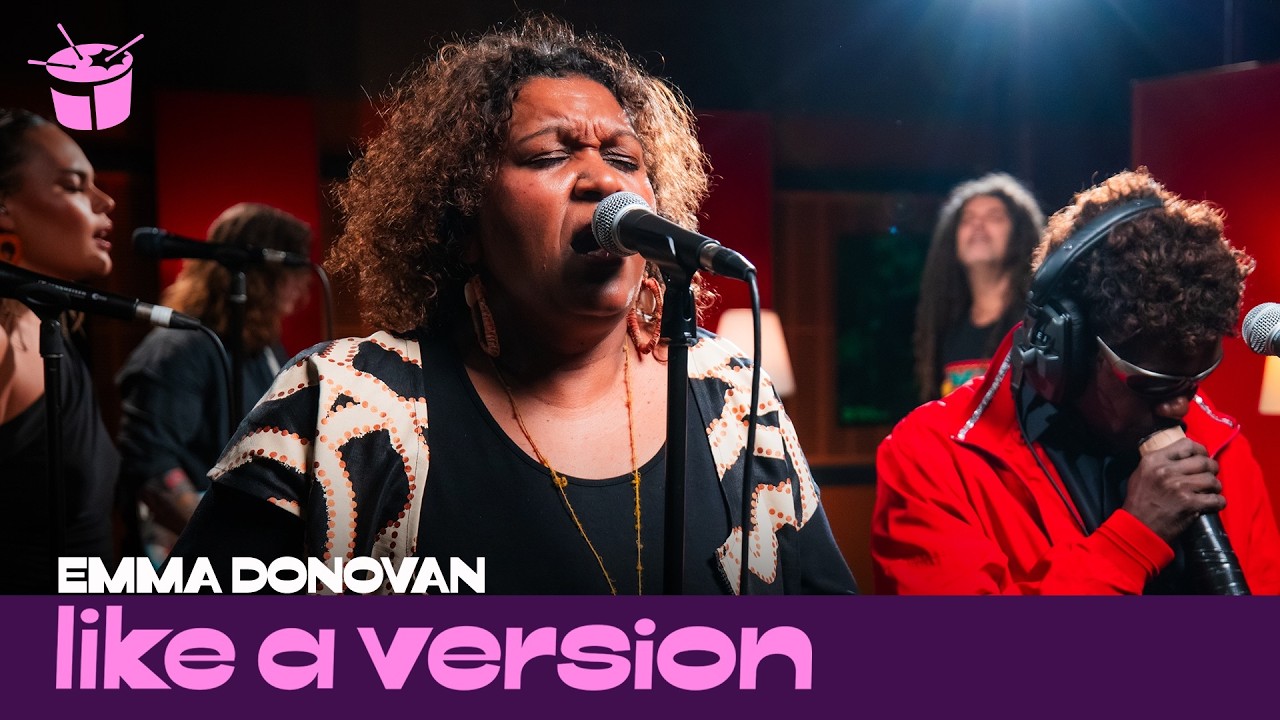
The camera finds her in Nambucca Heads, New South Wales, in 2010. The light is natural, the setting specific. Emma Donovan doesn't explain what's about to happen; she begins singing, and in the first eight seconds you understand that you're in the presence of someone who has arrived at a decision. "Messed up, messing with my mind," she sings. "Don't you understand the time I'm wasting?" There's no gentle build-up, no establishing shot of her emotional state. The problem is already stated. The crisis is already present. And by the time the chorus arrives—"It's not about whether we win or lose, it's choices that are choose to set me free"—you understand that Changes, the song co-written with Yanya Boston and featured on her 2009 album Ngarraanga, is a meditation on the moment when someone realizes they have to move.

Read · 6 sections

What does it mean to make a choice that sets you free?

The opening problem in "Changes" isn't unusual. Someone has caused pain. The speaker is confused, disoriented, losing time to a relationship or situation that no longer serves her. But what's unusual is how quickly the song pivots from diagnosis to something strange and powerful: the recognition that the outcome doesn't matter. "It's not about whether we win or lose," Donovan sings. In most music about heartbreak or betrayal, the speaker is focused on winning, on being vindicated, on proving they were right. Here, that entire framework collapses. The freedom doesn't come from winning. It comes from choosing.

This is a subtle but important distinction. A choice is something you make; an outcome is something that happens to you. By shifting the locus of power from outcome to choice, the song suggests that transformation is available to you right now, regardless of what anyone else does or whether the situation resolves in your favor. The only thing you control is whether you choose to move. And that choosing itself—the decision to change, to step forward, to refuse the status quo—is what creates the possibility of freedom.

The song then layers in the process: "When I make changes, making decisions, pushing limits but I did it, moving step by step, learning about what I'm taking." Notice what's absent here. There's no fantasy of how amazing the change will feel. There's no promise of a happy ending. What there is, instead, is a detailed description of what actual transformation feels like: decisions being made, limits being tested, movement happening, learning occurring. The phrase "learning about what I'm taking" is particularly important. It suggests that change isn't about leaving something behind wholesale. It's about developing awareness of what you're choosing to carry forward, what values and truths you're moving with into the next chapter.

How does pain create the conditions for change?

The second verse deepens into relational complexity. The speaker addresses someone directly: "Don't you realize this pain that you caused me." There's no softness in this acknowledgment. The pain is real, it was caused, and it's being named. But the song doesn't stop there. It moves into a strange kind of compassion: "If you really feel this way, how what you say I'll just let be, to keep myself now on the ground, find out what I'm all about up in this place."

This is the moment where the song becomes genuinely wise. The speaker isn't saying that the other person's feelings don't matter. She's saying that their feelings cannot be the compass for her own action. She's making space for their experience while declining to be controlled by it. This is perhaps the most important skill in any major life transition: the capacity to honor someone else's pain while remaining committed to your own integrity. It's not unkind. It's clear, and clarity itself is a form of respect.

The commitment to staying grounded appears here as well: "to keep myself now on the ground, find out what I'm all about up in this place." The language of grounding is significant. Change can feel destabilizing, unmoored, chaotic. The speaker is insisting on an anchoring—a rootedness in who she actually is, independent of the relationship or situation being left. That grounding isn't selfish. It's the prerequisite for any genuine transformation. You can't move forward from solid ground; you can only flail forward from quicksand.

What does it mean to measure change by the soul?

By the bridge of "Changes," the song introduces explicitly spiritual language. "I'm moving goodward," Donovan sings, and then adds a spiritual principle: "I'm not about to make any other movement that doesn't inspire my soul." This is where the song moves beyond personal psychology into spiritual practice. The measure of a right action isn't its likelihood of success, its convenience, or even its ethical correctness in the abstract. It's whether the movement aligns with what keeps you spiritually whole.

"I already know the things that keep me real," she continues. This phrase—"keep me real"—surfaces repeatedly throughout the track. It's an anchor. It's the things and practices and truths that preserve your integrity, that keep you honest, that align you with your deeper nature. The song suggests that you already know what these things are. They're not hidden. They're not waiting to be discovered in some distant future. And once you've named them, they become the filter through which you evaluate every potential choice. Does this movement inspire my soul? Does this choice keep me real? If the answer is no, then it's not a movement worth making, regardless of the short-term consequences or social pressure.

This is the kind of teaching that usually arrives from spiritual traditions: the idea that you have an internal compass, a deep knowing, an alignment with something larger than your immediate fear or desire. By using this language in a popular song about a very contemporary situation—someone leaving a relationship, making a break, choosing movement over stagnation—"Changes" democratizes this kind of wisdom. It's not reserved for monks in monasteries or spiritual seekers on remote mountains. It's available to anyone who's willing to ask the hard questions: What keeps me real? What movements inspire my soul? And am I willing to structure my life around the answers?

Why is now the only time?

The closing section of the song cycles through the central themes again, but with escalating urgency. "Now's the time to grab it," Donovan sings. "Now's the time to make some changes, to move on with my life." There's a particular wisdom in insisting on the present tense. Transformation isn't something you plan for the future. It's something available now. The moment of clarity, the moment of choice, the moment of movement—all are available in this instant, not in some imagined future when conditions are perfect or when you feel more ready.

This runs counter to how most people approach major change. We wait. We tell ourselves we'll leave when we have another job lined up, when the kids are older, when we have enough money saved, when the situation improves, when the other person changes, when we feel more confident. The song suggests that waiting is itself a choice, and often the wrong one. The right time is now, because now is the only time you have access to.

The spiritual implication is significant. If transformation is always available in the present moment, then the barriers to change aren't external circumstances. They're internal: fear, doubt, attachment to familiar pain, the seductive safety of the known, the need for certainty before moving. By insisting on "now," the song invites listeners to examine what's actually preventing their movement. What am I afraid of? What am I attached to? What would it feel like to move step by step, right now, without waiting for permission or perfect conditions?

How does artistry transmit teaching?

What's remarkable about "Changes" is how completely the form serves the content. The song was co-written with Yanya Boston, and that partnership is evident in its structural clarity. There are no musical flourishes that oversell the emotional moment. The arrangement is relatively spare, which creates interior space—room for the listener to feel their own version of this dilemma, their own threshold moment.

The clarity of language is also notable. Donovan doesn't use metaphor or abstraction to obscure what she's talking about. "Messed up," "wasting time," "pain," "leaving"—the vocabulary is direct and honest. This honesty makes the more spiritual language later in the song more powerful. When she talks about movements that inspire the soul and things that keep you real, these ideas land not as abstract wisdom but as navigation tools for the specific situation being described—the real, urgent, embodied experience of recognizing you have to change.

The repetition throughout the song—"I make changes," "making decisions," "moving step by step," "keep it real"—creates a kind of mantra, a rhythm that you can return to when you're in your own moment of transformation. This is what spiritual art does: it gives you language to recognize your own experience, and rhythm to carry you through it when words alone aren't enough.

Where to go from here

If you're in the midst of a major life transition, listen to "Changes" as both mirror and permission. It reflects the confusion and pain without letting those feelings become the end of the story. It grants permission for the choice itself: you don't need everyone to understand. You don't need the outcome to be guaranteed. You need to know that this movement is the one that aligns with your soul. You need to keep it real. And you need to move.

Explore Emma Donovan's album Ngarraanga in full to understand this song's place in her larger body of work. Reflect on moments in your own life when you've recognized the difference between a change you wanted and a change you needed. Most importantly, notice what your own things are—the practices, values, and inner truths that keep you real—and whether your current choices align with them. That alignment is what "Changes" teaches us to call freedom.
Comments

Loading the conversation…

Transcript

[0:00] [Music]

[0:08] messed up messing with my mind don't you

[0:11] understand the time I'm

[0:14] wasting goodbye so I got to say to you

[0:18] can't handle the truth that I'm

[0:22] leaving little more time to breathe got

[0:25] to find out who's ring me in this

[0:29] gate it's not about whether we win or

[0:31] lose it's choices that are choose to set

[0:34] me free when I make

[0:37] changes making decisions pushing limits

[0:40] but I

[0:41] did moving step by step learning about

[0:46] what taking but I

[0:48] have sit down make change

[0:55] [Music]

[0:56] it CAU up CL around the place don't you

[1:00] realize this pain that you caused me got

[1:04] to move if you really feel this way how

[1:07] what you say I'll just let

[1:11] be to keep myself now on the ground find

[1:14] out what I'm all about up in this

[1:18] place hey that's what I going to do to

[1:20] keep it real I'll owe it all to you in

[1:23] the end when I make

[1:26] changes making decisions pushing limits

[1:29] but I did it

[1:31] moving step by step learning to balance

[1:35] what I'm taking but I have it and I'm

[1:38] growing B by B see what I want thinking

[1:43] now the time to grab it sit I make

[1:48] changes sit down make

[1:52] changes cuz I'm moving

[1:55] goodward and I'm not about to make

[2:00] any other

[2:02] movement that doesn't Inspire my

[2:07] soul I'm already know

[2:10] to the things that keep me

[2:14] real Holy Ghost I'm good

[2:17] enough

[2:19] [Music]

[2:22] for yeah yeah when now make

[2:27] changes P your Li but I did it

[2:31] Mo step by step learning about what I'm

[2:36] taking by the heav and I'm growing B by

[2:40] B see what I want think Now's the Time

[2:43] to grab it said I make

[2:48] changes S I make

[2:51] changes

[2:58] changes no moving step by

[3:03] step I'm

[3:05] moving I'm moving

[3:09] by thinking Now's the

[3:12] Time Now's the Time to make some

[3:16] changes to move on with my life

[3:21] [Music]

Emma Donovan
ArtistEmma Donovan

Emma Donovan, MA, LPC, LCPC, is a therapist, holistic healer, coach, meditation teacher, and personal growth educator. She is a voracious learner and has completed advanced trainin…

View profileWebsite
Explore Topics
Personal-transformationSpiritual-discernmentDecision-makingAuthentic-changeSoul-purpose

Got Questions?

Frequently Asked Questions

Emma Donovan's 'Changes' suggests the moment arrives when staying has become more painful than uncertainty. The song measures readiness not by perfect circumstances but by recognizing whether you're 'messing with your mind' and 'wasting time,' and by identifying whether a movement aligns with what keeps you spiritually grounded.
In 'Changes,' keeping it real means measuring your choice against the things that ground you—the values, practices, and inner knowing that preserve your integrity. The song teaches that you already know what these things are; they're the filters through which you evaluate whether a potential action aligns with your deeper nature.
The song acknowledges this directly: the speaker recognizes she may cause pain while being clear that another person's feelings cannot be the compass for her action. The model is to honor the other person's experience while maintaining your own integrity and grounded sense of self.
According to 'Changes,' real transformation involves deliberate choice and step-by-step learning. The speaker is 'moving step by step, learning about what I'm taking'—a conscious, intentional process of discernment rather than reactive escape from pain.
The song offers a clear measure: ask whether the movement 'inspires your soul' and whether it 'keeps you real.' If a potential action doesn't meet these two criteria, it's not a movement worth making, regardless of its practical advantages.
'Changes' insists on the present tense: 'Now's the time to make some changes.' The song suggests that transformation is available in this moment, and that postponement—waiting for perfect conditions—is itself a choice that often blocks necessary movement.
The song acknowledges pain without being consumed by it. By naming the wound, identifying its cause, and then moving beyond it through conscious choice, Donovan suggests that pain becomes wisdom when it teaches you what needs to change in order to stay real.

Continue Reading

More from Emma

View All
Indigenous Language Reimagines Eilish's 'Birds of a Feather'
Inspire

Indigenous Language Reimagines Eilish's 'Birds of a Feather'

Emma Donovan reimagines 'Birds of a Feather,' weaving Indigenous language into Billie Eilish's love song. The performance suggests devotion …

1 min read
Soul Music's Paradox: Why We Need Others While Standing Alone
Inspire

Soul Music's Paradox: Why We Need Others While Standing Alone

Soul artist explores a 1970s classic to address the paradox: independence and longing coexist. "Being on your own doesn't mean you don't nee…

1 min read
Why Life Keeps Testing You: Building on Rock, Not Sand
Inspire

Why Life Keeps Testing You: Building on Rock, Not Sand

Eckhart Tolle reads the house-on-rock parable to explain why life keeps challenging us. A rooted inner dimension, he says, keeps grief from …

1 min read
Govinda Jaya: How Sacred Sound Awakens the Heart
Inspire

Govinda Jaya: How Sacred Sound Awakens the Heart

Radhika Das channels the liberating power of mantra through a luminous kirtan performance at Medicine Festival, invoking divine names to pur…

1 min read

Keep exploring

Continue your journey

More wisdom and gatherings from across the BrightStar directory.

More Articles

Browse the full library of teachings, interviews, and guides.

Back to all articles →

Teachers & Artists

Explore the lineages, musicians, and guides of the conscious world.

Explore artists →

Find an Event

Kirtan, retreats, sound baths, breathwork, festivals — happening soon.

Browse events →