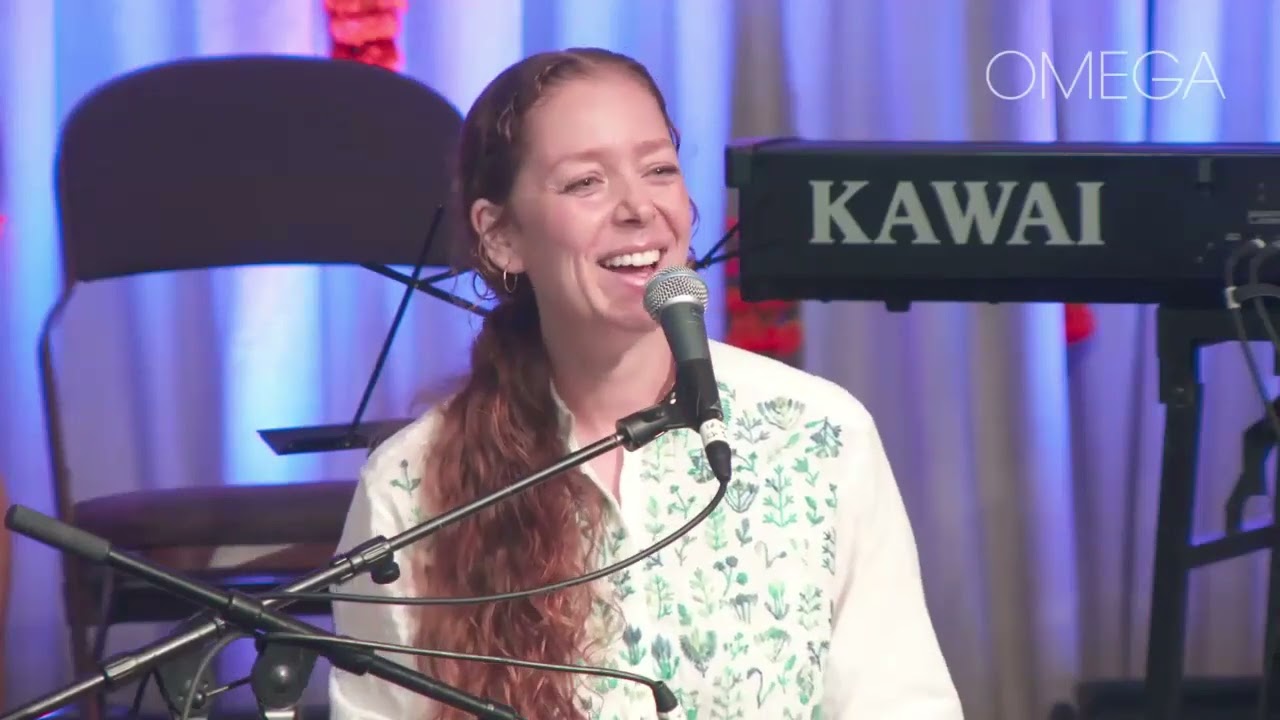
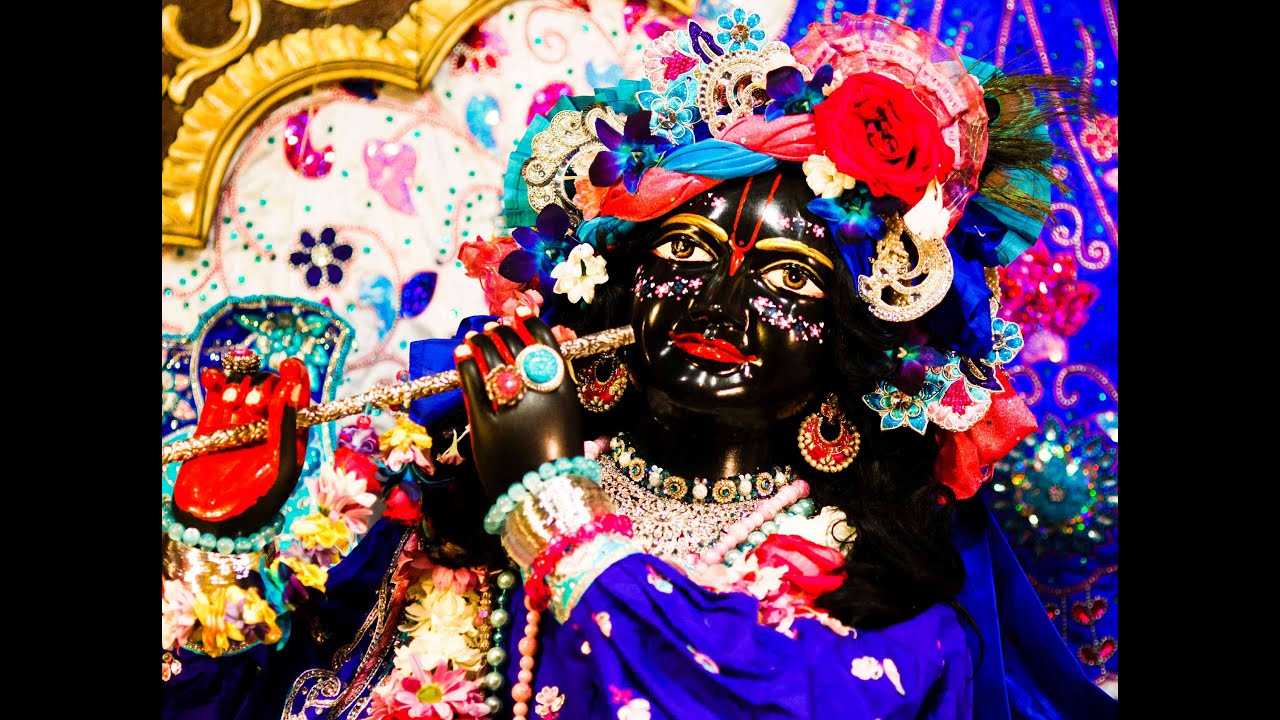
In 2015, a Montreal-based musician released a five-minute instrumental composition titled "High Renaissance," a piece both naming and embodying a singular artistic paradox: the simultaneous awakening of genius and spirit. The track appears deceptively simple—piano, spacious production, meditative in temperament—yet its conceptual frame reaches far beyond the conventional understanding of instrumental music or historical reference. The artist, working under the spiritual name Bhāgavat Āshraya Dās, presents the High Renaissance not merely as an era of painted masterpieces, but as a metaphor for what spiritual practitioners call entheogenesis—the awakening of the divine within, often catalyzed through sacred plant medicine and contemplative practice. In that collision of meanings lies an entire philosophy of music, consciousness, and creative rebirth.
When most people hear "High Renaissance," they imagine Florence and Rome in the early sixteenth century—the era when Leonardo da Vinci, Michelangelo Buonarroti, and Raphael Sanzio produced work so transcendent that it altered the trajectory of Western art. It was, quite literally, one of the great explosions of creative genius in history. The period saw the perfection of perspective, the rendering of human anatomy with anatomical precision, and the marriage of technical mastery with visionary imagination. The Sistine Chapel ceiling didn't arise from technique alone; it emerged from Michelangelo's willingness to peer into something beyond himself. Leonardo filled notebooks with studies of light, water, and flight—material investigation in service of something numinous.
The Renaissance was a time when artists understood themselves as recovering something lost—the wisdom of classical antiquity, the balance between reason and beauty. But more importantly for this artist's purpose, it was fundamentally about rebirth. The word itself—renaissance, rinascimento—means a coming back to life, a renewal after dormancy. The period emerged from the medieval world as though something human had been asleep and was now awakening.
Entheogenesis—literally "the birth of God within"—describes an experience of profound spiritual awakening, one that practitioners and researchers associate with sacred plant medicine ceremonies and other contemplative practices. Unlike the dismissive clinical term "hallucination," entheogenic experience points to something practitioners understand as genuine contact with the sacred, the numinous, the transcendent layers of reality. The experience is often described as a kind of death and rebirth: the dissolution of ego boundaries, the witness of beauty and interconnection so overwhelming that the person who emerges from it is fundamentally changed.
In this framing, the High Renaissance and entheogenic awakening are not so different. Both involve:
- A break from what came before—a rupture with the familiar
- Contact with something vast and coherent that previous frameworks could not contain
- The necessity of new language, new visual vocabulary, new forms to express what has been witnessed
- A fundamental reshaping of the creator's consciousness and output
- The eruption of genius not as individual talent, but as a transmission from something larger than the self
Leonardo didn't simply paint; he channeled something. Michelangelo wept before stone, understanding it as already alive within the marble, waiting to be released. This sensibility—the artist as vessel—aligns precisely with how contemporary practitioners describe entheogenic ceremony: not as personal creation, but as attunement to what is already present, waiting to be articulated.
The artist's choice to work with piano, in the contemplative and devotional tradition, positions music as the primary language of this intersection. Piano music—particularly the kind produced by this artist—operates in a frequency range that bypasses the conceptual mind. It does not require lyrics or explicit narrative; it addresses the nervous system directly, the way a sacrament does, the way a ceremony does.
In the Hindu and kirtan traditions (suggested by the artist's spiritual name and the album's lineage), music has always been understood as a path to the divine—kirtan and bhajan as practices equivalent to meditation or prayer. Sound is considered a form of sacred vibration. The mantra, the drone, the repeated invocation all serve to attune the singer and listener to frequencies of awareness beyond ordinary consciousness. When this artist brings piano into that frame, they are working with a Western instrument according to Eastern philosophical principles: music as a technology of consciousness, not mere entertainment.
The album context matters here. "EntheoGenesis," released in October 2015, is framed explicitly as reflecting "my spiritual journey over the past four years and all the emotions I felt which I could not put in words." This is crucial: the artist is suggesting that certain experiences—whether spiritual, visionary, or both—exceed language. Music becomes the necessary medium because it can hold paradox, ambiguity, and numinous presence in ways that words cannot. A piano composition can contain grief and bliss simultaneously. It can hold the dissolution of self and the emergence of something larger. It accomplishes in sound what Michelangelo accomplished in paint: the communication of an encounter with the transcendent.
That the artist chose to release "High Renaissance" on their birthday—sharing it explicitly as "my gift to the world"—carries intention. Birthdays in spiritual traditions are understood as occasions of renewal, of recommitment to one's path. The offering of art on such a day suggests the artist's understanding of their own work as a gift not owned but transmitted, not created but channeled. This aligns with Renaissance philosophy (particularly Neoplatonism) and with contemporary understanding of how visionary states operate: the individual becomes a conduit for something that flows through culture and time.
The location—recorded at the Oratoire Saint-Joseph du Mont-Royal in Montreal—further anchors the work in sacred space. A sanctuary, a place of pilgrimage and devotion, becomes the recording site. The physical geography of spiritual practice informs the work. One might imagine the frequencies of that place—generations of prayer, intention, contemplation—absorbed into the recording itself.
This work arrives at a particular moment in cultural history: the resurgence of interest in contemplative practice, entheogenic ceremony, and the re-sacralization of music. After decades in which music was increasingly weaponized for commerce and distraction, artists like this one are reclaiming it as a tool for consciousness work. Spiritual teachers, meditation facilitators, and ceremony leaders increasingly work with carefully selected music—understood to support and attune participants to deeper states of awareness.
The artist's approach—deeply personal, emerging from lived spiritual experience rather than intellectual concept—represents an authentic gesture in this direction. This is not world-music pastiche or New Age cliché. It is the work of someone trained in spiritual disciplines, working with sincere intention, using music as a practice.
To understand the full arc of this artist's work, explore the "EntheoGenesis" album in its entirety—eighteen tracks designed to move through the stages of spiritual journey, dissolution, and awakening. The music itself is the primary text; the conceptual frame offered here is merely the architecture within which sound operates. Listen to how piano voice can become mantra, how repetition and variation mirror the structures of meditation and visionary experience.
Consider also the broader lineage of contemplative music, from the ambient pioneers (Brian Eno's work with meditation and church spaces) to contemporary kirtan artists and sound healers. Understand music not as background but as a technology of transformation—no less real than a medicine, no less efficacious than a prayer. The High Renaissance teaches us this: that genius, beauty, and transcendence are not separate phenomena but expressions of a single awakening. In this artist's work, the lesson is offered through sound.