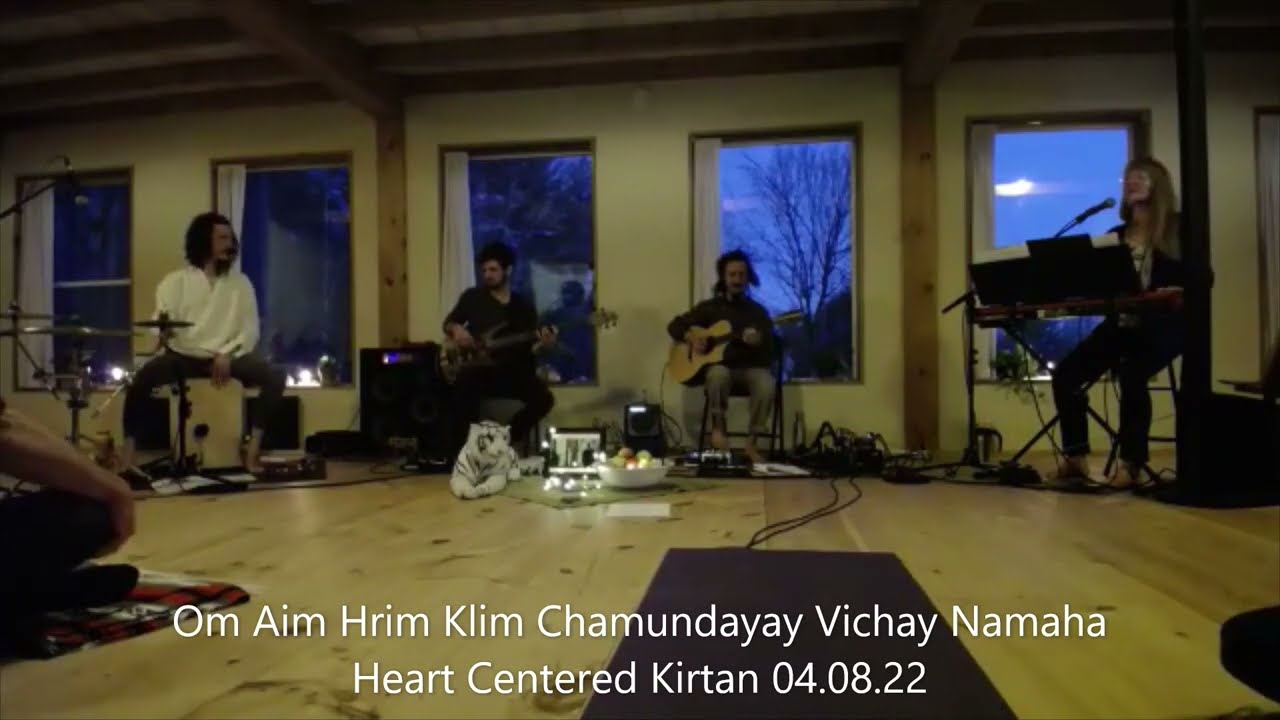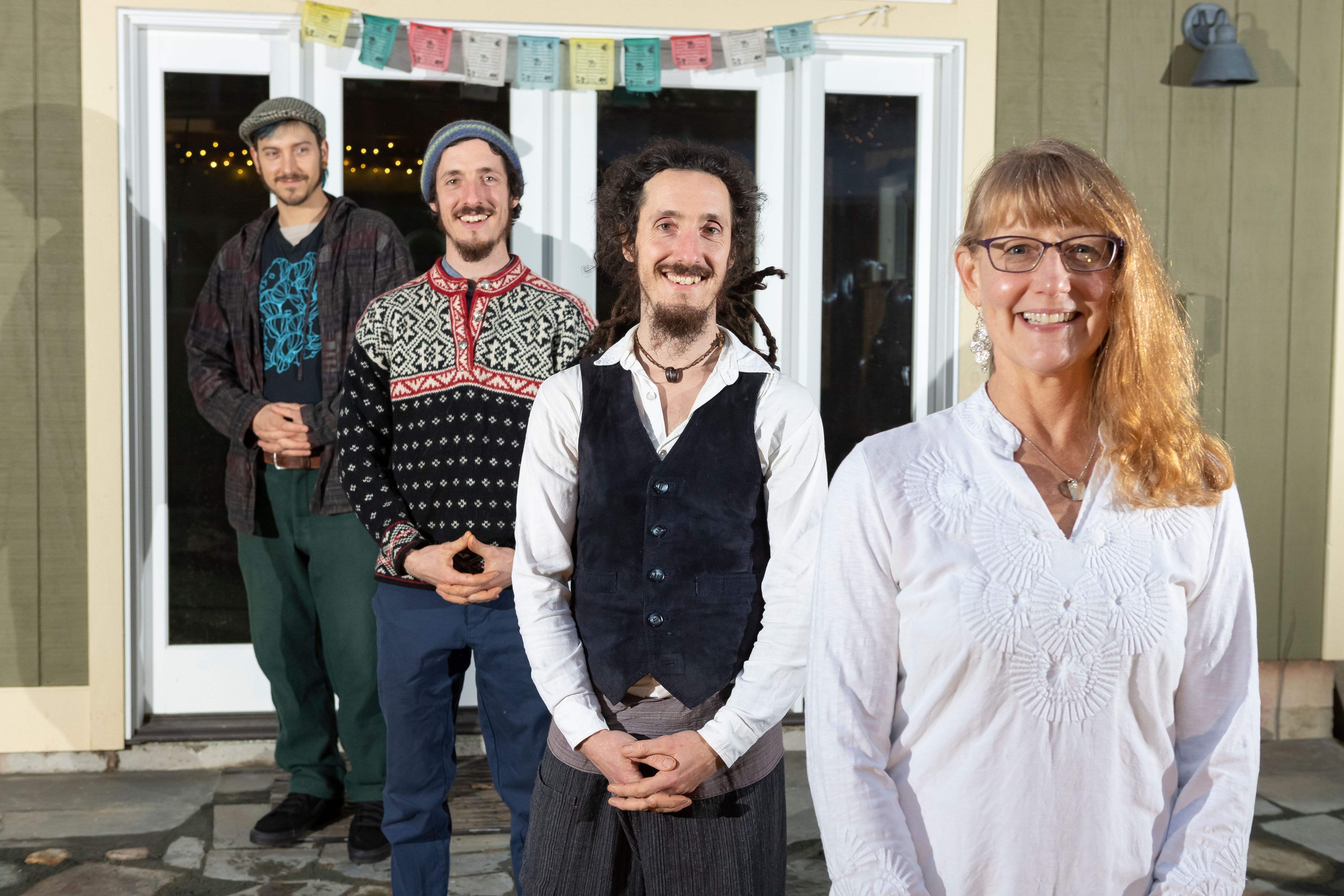
This 12-minute heart-centered kirtan session features the Medicine Buddha mantra, a sacred Buddhist invocation specifically aimed at healing and liberation from physical, emotional, and spiritual suffering. Performed by Owen and Ezra Landis alongside Libby Volckening on keys and vocals, with Thomas Matherly on bass, the live recording from January 2021 uses devotional chanting paired with minimal acoustic instrumentation to create space for the mantra's healing resonance.
The Medicine Buddha mantra—Tayata Om Bekandze Bekandze Maha Bekandze Radza Samudgate Soha—originates from Mahayana Buddhist tradition and carries profound significance in healing practice. In Buddhist cosmology, the Medicine Buddha is a transcendent figure whose very presence and invocation are said to catalyze healing across all dimensions of human suffering: the physical body's ailments, the emotional turbulence of the mind, and the spiritual confusion that keeps practitioners bound to cycles of pain.
Each syllable of the mantra carries intention. The repetition of "Bekandze" (meaning to heal or cure) establishes the healing impulse at the heart of the practice, while "Maha Bekandze" amplifies that healing to encompassing scope. The phrase "Radza Samudgate" invokes the Medicine Buddha's sovereignty—literally "king of medicine"—and "Soha" is a sealing syllable that anchors the invocation and vow into manifestation.
Unlike mantras focused purely on transcendence or liberation, the Medicine Buddha mantra works specifically within the world of embodied existence, acknowledging that healing the body, heart, and spirit are integral to any authentic spiritual path. It is not about transcending suffering through denial, but meeting suffering directly with compassion and the clear intention to restore wholeness.
Kirtan—the practice of chanting sacred mantras and prayers, typically in call-and-response form—has been used across Hindu, Buddhist, and Sufi traditions for centuries. Unlike meditation, which often emphasizes internal stillness, kirtan engages the voice, the body, and the community in active devotion. The repetition of sacred sound is believed to work on multiple levels simultaneously.
At the physiological level, chanting settles the nervous system, slowing the breath and heart rate while activating parasympathetic (rest-and-digest) responses. The rhythm and tone of the voice naturally lead toward calming brainwave states. Beyond physiology, the practice creates a container for intention: when a group or individual repeats a healing mantra with sincere focus, the mind becomes less fragmented and more unified toward that healing purpose.
In this recording, the instrumentation—guitar, bass, keyboard, and percussion—supports rather than overwhelms the mantra. This minimalist arrangement is typical of devotional kirtan, where the primary instrument is the human voice itself. The musicians create a steady harmonic and rhythmic foundation that allows participants to enter a meditative state while chanting, their voices supported and lifted by the ensemble.
This live recording was captured at Chez North Studio on January 8, 2021, during a period of significant collective uncertainty and physical illness worldwide. The participation of multiple musicians—Libby Volckening, Ezra Landis, Thomas Matherly, Owen Landis, and sound engineer Brian DiMartino—reflects an important principle in kirtan: the power of collective intention. Though listeners engage with this recording individually, the sonic field itself was created by a community holding shared purpose.
In traditional kirtan settings, participants sit in circle or hall, and a leader initiates a mantra while others respond. The call-and-response structure synchronizes the group's nervous systems and creates a tangible sense of shared healing. Even when encountering a recording, the listener benefits from the energetic imprint of that collective practice—the combined intention of the musicians and the original participants carries forward through the recording medium.
Practitioners turn to the Medicine Buddha mantra at specific moments: during illness, injury, or recovery; when facing emotional overwhelm, grief, or depression; during spiritual crises or periods of doubt; or as a daily practice for ongoing wellness and prevention. The mantra is not a replacement for medical care or professional mental health support, but rather a complementary practice that works with those conventional treatments.
The intention behind the mantra is threefold. First, it invokes the archetypal energy of the Medicine Buddha—a principle of clarity, compassion, and healing presence—into the sphere of one's own being. Second, it directs conscious intention toward recovery, growth, and the release of suffering. Third, it aligns the individual will with something larger than the isolated self, creating a sense of support and grace.
Some practitioners listen to this recording during or after medical appointments, while seated in pain or illness, or as part of a morning or evening practice. Others use it as background support during difficult conversations or emotional processing. The 12-minute duration allows for sustained but not overwhelming engagement—long enough to shift one's state, brief enough to fit into various schedules and practices.
Listening to sacred sound can be approached in several ways. Some listeners join their voice with the recording, chanting along with the mantra if they know it or humming the melodic line. This active participation deepens the physiological and psychological effects. Others listen receptively, allowing the sound to work without volitional effort, trusting the mantra's potency as described in Buddhist texts.
A common approach is to listen once through without expectation, simply receiving the sound and the intention it carries. Afterward, practitioners may notice subtle shifts: a loosening in the chest or belly, clearer thinking, a gentle sense of being held or supported. Some experience vivid imagery or emotional release. Others notice nothing obvious but sense a shift in their capacity to meet difficulty with more ease.
For those new to mantra practice, repeating the mantra silently or aloud—even just the primary phrase "Om Bekandze Bekandze"—during ordinary activities can establish a gentle healing presence throughout the day. The Medicine Buddha kirtan recording can serve as both a formal practice and a resource to return to whenever healing support is needed.
To deepen your engagement with Medicine Buddha practice, consider exploring Tibetan Buddhist teachings on the Medicine Buddha, which elaborate the visualization practices that traditionally accompany the mantra. Reading translations of the Medicine Buddha Sutra will provide scriptural context for the mantra's efficacy and the specific benefits traditionally associated with its recitation. You might also explore other healing-focused kirtans and mantras—such as those dedicated to Tara, Compassion Buddha, or Krishna—to find which ones resonate most deeply with your own needs and temperament. If you practice with Owen and Ezra Landis's work, you may find other recordings or live sessions that continue this thread of heart-centered devotion.
Finally, consider whether a regular practice with this mantra might serve your current circumstances. Even five minutes daily, repeated over weeks, can create measurable shifts in how you relate to pain, stress, or illness. The Medicine Buddha tradition teaches that healing is not a distant goal but an invitation available in each moment—available through the simple act of turning toward the medicine, the mantra, and the intention to be whole.