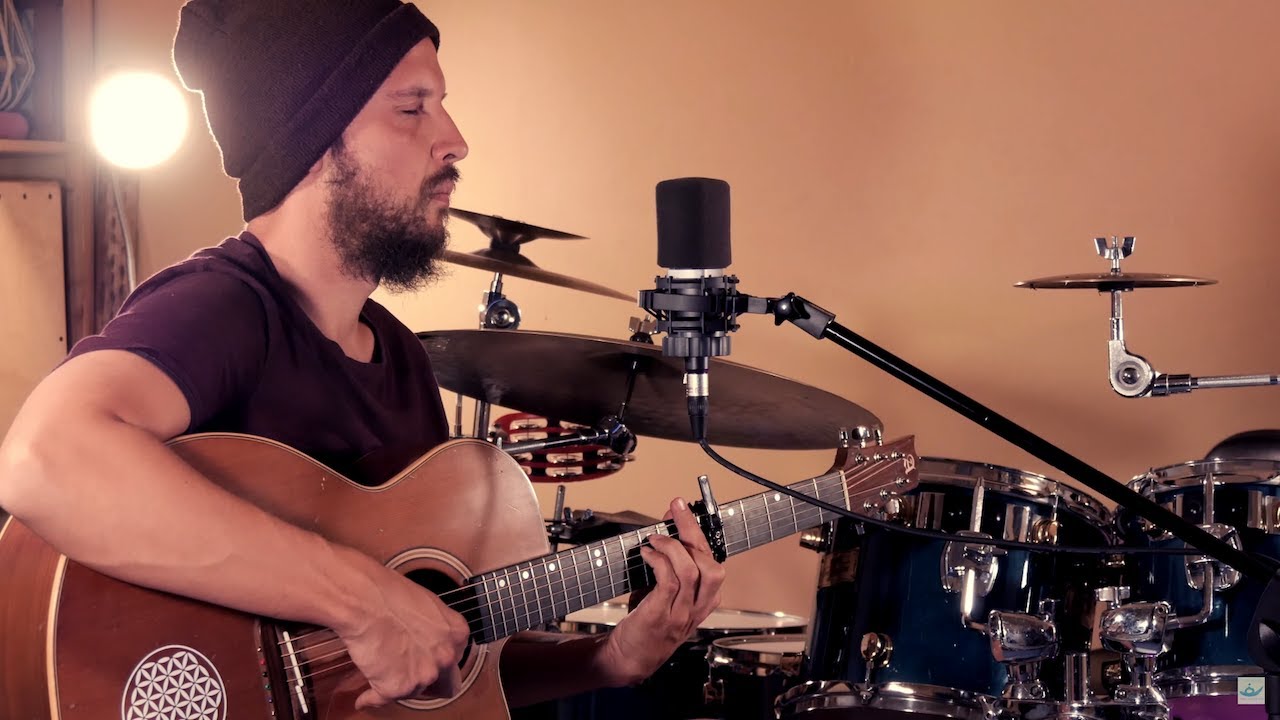
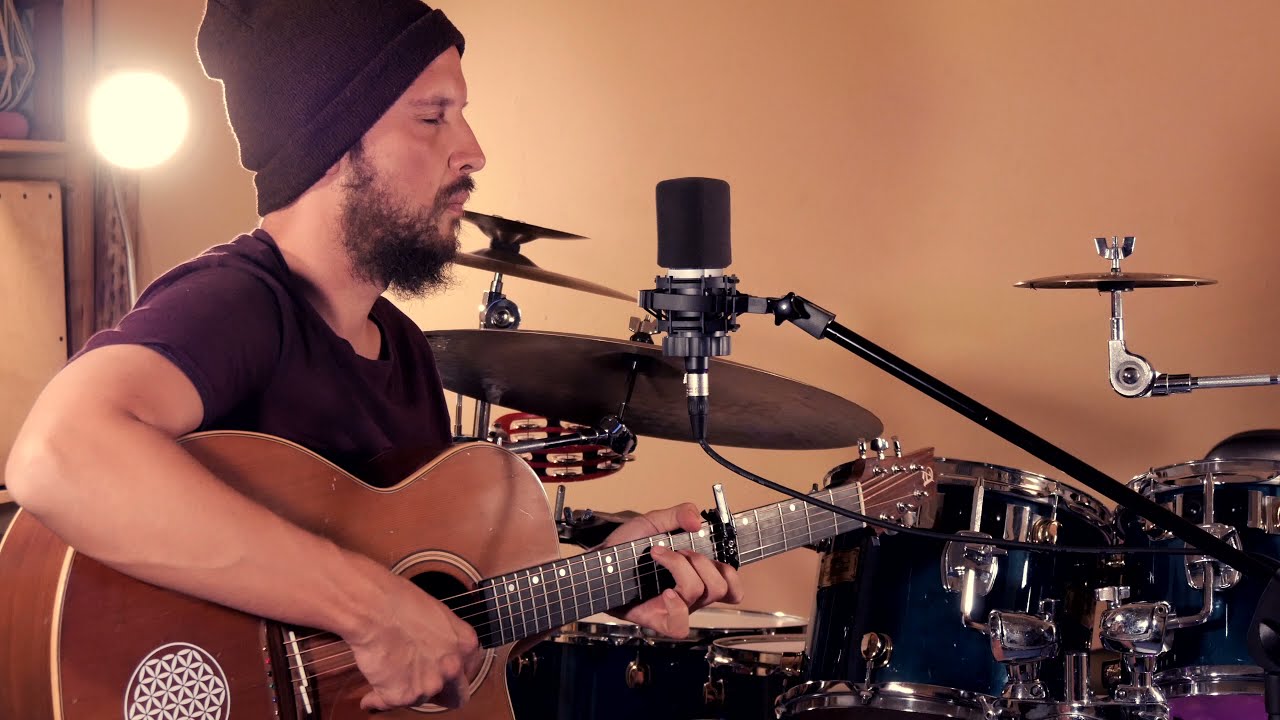
Madrid, May 15, 2017. Inside Teatro Nuevo Apolo, a flute player takes the stage with an instrument that has been used for sacred practice for thousands of years across cultures—from the Krishna flute traditions of India to the shamanic ceremonies of the Andes. But what unfolds over the next ten minutes isn't a performance in the conventional sense. There's no crescendo, no dramatic arc, no attempt to dazzle an audience. Instead, Nirodha creates something closer to a collective breathing meditation: pure, sustained tones that seem to emanate from silence itself, inviting listeners inward rather than outward.
The flute occupies a unique position among instruments when it comes to contemplative practice. Unlike percussion or strings, the flute's sound emerges directly from the breath of the player—making it inherently an extension of the performer's physiology, their pranayama (breath control), their presence. Every note requires a living exchange between lungs and resonance, between intention and vibration. This is why the flute has held sacred significance across traditions: it is the instrument of the breath, and breath is the bridge between body and spirit, mind and stillness.
When a flute meditates—when a musician plays not to demonstrate virtuosity but to hold space for the listener's inner movement—the instrument becomes a tuning fork for the nervous system. The sustained tones create what musicians and neuroscientists alike recognize as a harmonic anchor point. The brain can rest in the sound; the body can synchronize with the frequency. There's nowhere the performance needs to go, nothing it needs to prove. This is the opposite of Western performance culture, where tension and resolution are the entire drama.
What's notable about Nirodha's approach, evident in the raw recording from Teatro Nuevo Apolo, is that the music shares space with something equally important: the silence between notes, the breath between phrases, the awareness of a room full of people listening together. You can hear the audience responding—moments of laughter, applause breaking through—which anchors this as a live, relational experience rather than a studio recording designed for headphones at midnight. The musician is present with actual humans; the humans are present with actual sound. That specificity matters.
This is meditation in real time, not meditation as product. Nirodha's work, as documented through links to his bandcamp and social platforms, identifies itself as "organic meditation music"—a deliberate rejection of synthesized, algorithmic, or overly-produced approaches to the genre. The flute is acoustic, the space is a real theater, the listeners are breathing in the same room. All of this becomes part of the practice.
A flute meditation performance functions differently than a traditional satsang or teaching. There are no words, no transmission of philosophy or technique. Instead, the musician offers presence, and through that presence, an invitation: Here is what stillness sounds like. Here is what happens when sound serves silence rather than conquering it. The audience responds with laughter and applause—not interruption, but recognition. The body knows when it's being welcomed into spaciousness.
The ten-minute duration itself is significant. It's long enough to move past the novelty phase, past the thinking mind's need for narrative or tension, but not so extended that only the most disciplined listeners remain engaged. It's a container perfectly sized for collective meditation in a public space—something between an intimate session and a concert, familiar to anyone who's sat in a group sound bath or kirtan gathering.
If you're drawn to flute meditation as a practice, Nirodha's work is available through multiple channels: the performance captured in this recording offers a window into how live instrumental meditation functions in community. His broader catalog can be explored through his bandcamp (www.organicmeditationmusic.bandcamp.com), Instagram (@nirodhamusica), and Facebook (Nirodhamusic), where you'll find additional recordings and performance information. The full satsang context in which this flute meditation was recorded is available on the Nirodha channel on YouTube, providing a deeper immersion into the evening's complete arc. For those interested in the lineage and roots of flute meditation across traditions, exploring Indian classical flute practice (particularly the Krishna bhajans) and contemporary sound healing modalities offers rich historical context.