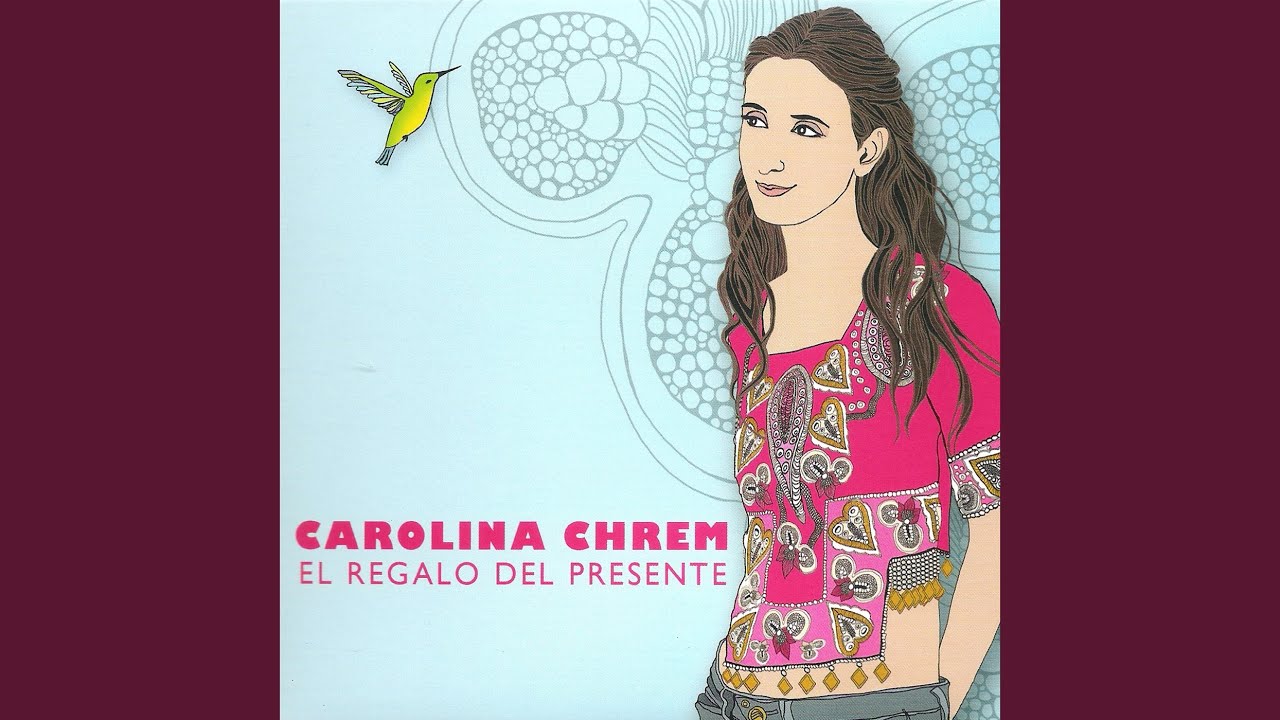
At the heart of many contemplative traditions lies a simple but profound tool: the power of sound itself. A mantra celebration—a concert dedicated to sacred chant and devotional songs—represents one of the most direct pathways into this understanding. Carolina Chrem's performance, recorded as part of the ongoing work documented by Procesos Evolutivos, stands as a living example of how mantras and devotional singing function not merely as music, but as spiritual practice.
The word "mantra" comes from Sanskrit: man (mind) and tra (instrument or tool). A mantra is quite literally an instrument of the mind. Unlike music composed primarily for aesthetic or emotional effect, a mantra is constructed with the explicit intention to work with consciousness itself. The syllables, the rhythm, the tonality—all are calibrated to have specific effects on the nervous system and the subtle body.
In devotional traditions, particularly those rooted in Hindu, Buddhist, and yogic lineages, mantras are understood not as mere words but as vessels of spiritual energy. When chanted repeatedly, alone or in community, a mantra creates a vibrational anchor—a sustained frequency that can quiet the mind, open the heart, and attune the practitioner to states of awareness beyond ordinary thinking.
Devotional singing, or kirtan in the Sanskrit tradition, extends the mantra into the realm of collective experience. Where silent meditation or private chanting might be the path of solitude, kirtan is inherently communal. One voice—often a lead singer or musician—initiates a mantra, and the group responds, call-and-response, building a field of shared vibrational resonance.
This isn't performance in the conventional sense, though it may look and sound like it. The distinction matters. In kirtan, the point is never to showcase technique or entertain an audience. The point is to create a container—through voice, rhythm, and repetition—in which participants can drop beneath their habitual patterns of thought and access deeper layers of feeling and awareness. The lead voice serves as a guide, holding the practice for others.
When an artist like Carolina Chrem steps into this role, she becomes a facilitator of shared experience. She initiates the sacred syllables, sets the pace, holds the melody. Through her voice, the mantra enters the room. Through the repetition and deepening of sound, participants are invited to enter a state that Sanskrit texts call rasa—the essence of feeling, the taste of divine connection.
This requires not just vocal skill but presence. The lead voice must be anchored, steady, committed to the mantra itself rather than to performance outcomes. It must invite others into the practice without coercion or showmanship.
In contemporary life, the nervous system is under constant activation. Information, screens, urgency, and fragmentation are the normal environment. A mantra celebration offers something countercultural and countervailing: a sustained, simple, repeating sound that gives the mind something to rest into. Not distraction, but focus. Not complexity, but essence.
For those unfamiliar with these traditions, a mantra celebration might first seem like a concert or a music event. What becomes apparent through participation is that this is meditation in action, consciousness work made audible and shareable. The repetition is the point. The simplicity is the point. The collective field created by many voices moving together is the point.
If this tradition calls to you, consider exploring it directly. Seek out recordings of mantra celebrations, attend a kirtan event if one exists in your area, or practice a simple mantra on your own—even five minutes of repetition can reveal how sound can shift your internal state. The knowledge here is not intellectual but embodied; it lives in the practice itself.