
Prano Devi Saraswati arrived on October 18, 2024, as a single with one track. It is not an album in the full-length sense, and it is best heard as a focused devotional offering. It sits between two larger statements in Wah!'s recent catalog: Prabhuji, the twenty-track release from December 2023, and It's Friday Night, the mid-tempo collection that marks 30 years in the music industry. Where those records gather a wide range of material, this single does one thing. It names a goddess and sings to her.
That narrowness fits a catalog with a devotional spine. DEVOTION and Prabhuji carry bhakti in their titles, and this single continues the thread by invoking Saraswati, the goddess of learning and the arts.
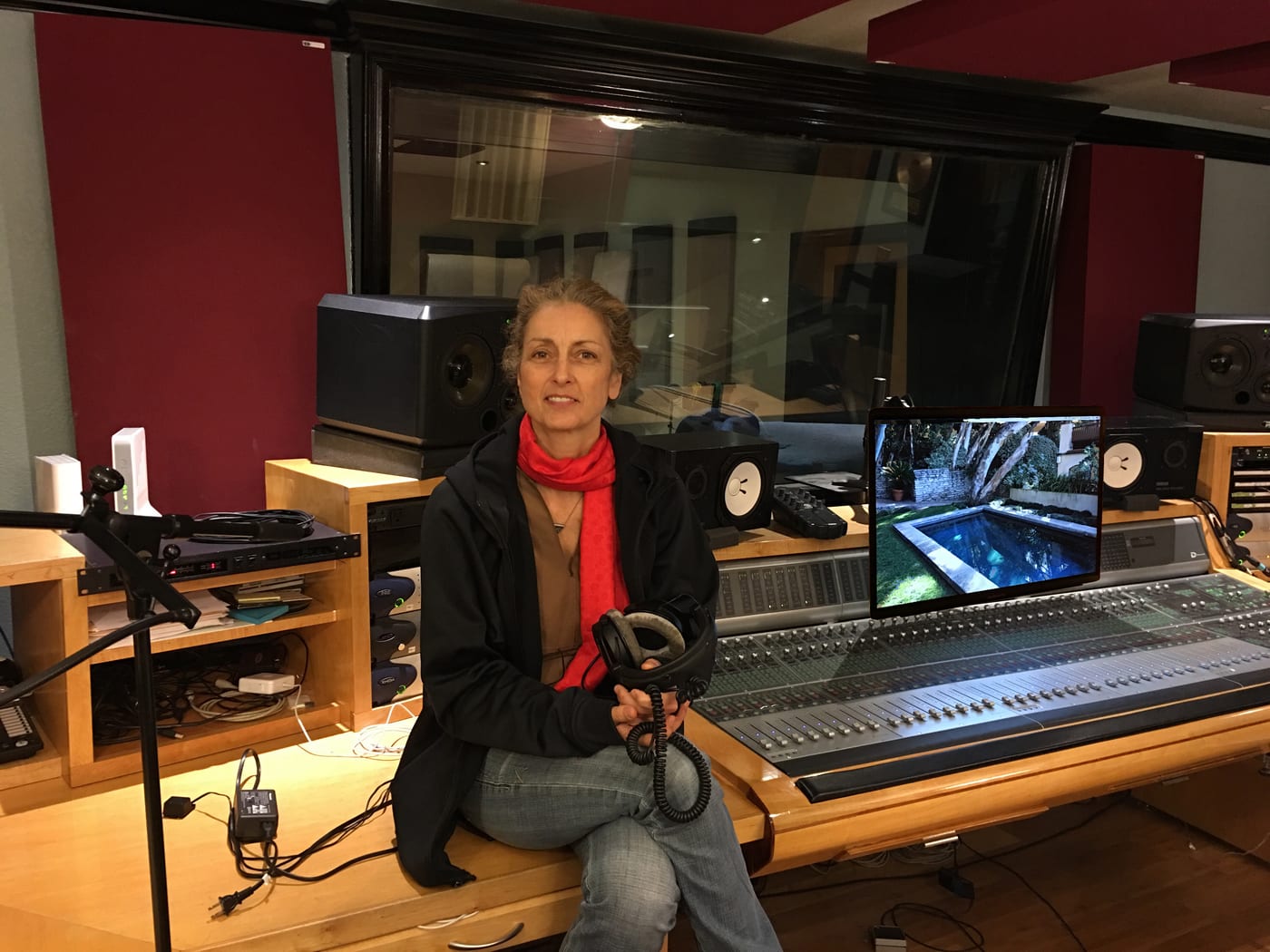
Wah!'s sound is built on Sanskrit mantra, harmonium, and her own voice carrying the melodic line in the call-and-response shape of kirtan. In her online kirtan concerts she adds Ableton Live to that core, so the layers are assembled electronically rather than played by a large ensemble. Her years on bass guitar with her rock band, since 1997, bring a sense of pulse that sets her apart from unamplified room singing.
Expect something warmer and more produced than traditional kirtan, closer to a modern studio recording. The mood across her recent work is measured and sincere rather than ecstatic. I can't give you a track-level breakdown of the arrangement beyond that, because the available information doesn't describe the single's instrumentation in detail. What the catalog tells us is the likely terrain: Sanskrit vocals, harmonium, repetition, and a steady pace.
There is only one, and it is the whole point.
"Prano Devi Saraswati." What makes it land is its singularity. A full album asks you to move through moods, but a single-track release lets one invocation unfold without competition. The repetition at the heart of kirtan works by accumulation: the phrase returns, the attention narrows, and the name of the goddess becomes a kind of anchor. For a listener, the appeal is the chance to stay inside one devotional gesture for its full length. Because Saraswati presides over learning and the arts, the piece naturally suggests dedicatory contexts, such as the start of study or creative work.
Wah!'s work belongs to bhakti, the devotional path in which sung names of the divine carry the practice, and her specific form is kirtan, the call-and-response chanting that originated in India. This single is a clear example: it invokes a goddess by name, which is the oldest move in the form.
Some context matters. Her website describes her as the first female to bring kirtan to the West in the 1990s, but that is her own account, and the available information names no specific teacher or line of succession. Her use of production tools and her sound-healing vocabulary extend the tradition into wellness-world territory, which some purists of older Indian kirtan may read as a departure. Listeners who value traditional, unaccompanied singing should know this is a contemporary, produced approach.
This single suits listeners who already feel at home with repetition and devotional sincerity. It will reward yoga students looking for a short invocation to open or close practice, and anyone who wants a dedicatory piece for study, writing, music-making, or other creative work. It also suits newcomers curious about Wah! who want a low-commitment way in, though her fuller picture comes from albums such as Queen of Mantra.
It lands hardest in a life moment that calls for focus: a new project, a return to study, a creative restart. It is less suited to listeners who want variety, ironic distance, or high-tempo electronic energy, and less suited to anyone seeking purely traditional kirtan with no studio production.
Give it a dedicated sitting rather than letting it play in the background. Because it is a single piece, the whole experience takes only one track's length, so you can set aside that time without negotiation.
- Headphones, alone. Close listening lets you hear how the voice and harmonium sit against any electronic layers.
- Evening or before work. Either end of the day works. Evening suits winding down, while a morning listen can serve as a dedication before study or creative effort.
- Sing along if you feel moved. Call-and-response is participatory by design, and the repeated phrase is easy to follow.
- Repeat it. Kirtan rewards a second and third pass, when the words stop being something to track and become something to rest in.
If the single draws you in, move next to Queen of Mantra for the core of her Sanskrit singing, or its instrumental companion for a quieter, harmonium-led sit.