
Elevated arrived in 2021 as an 11-track album, and the facts on record place it in what the catalog treats as Wah!'s middle period. It comes after Queen of Mantra and DEVOTION (both 2019) and Offering (2020), and before Blessings (2023), Prabhuji (2023) and It's Friday Night, the newest full album, which marks 30 years in the music industry. For a musician who says she brought kirtan, the call-and-response chanting of India, to the West in the 1990s, and who has played bass in her joyful rock band since 1997, Elevated is a stretch of steady work rather than a headline moment. That makes it a good album for listeners who already know the outline of her catalog and want to hear how she sounds when she isn't introducing herself.
Here, a note on what the record doesn't tell us: the available information gives no label, no named collaborators and no track list. This guide therefore describes the album through the sound she is known for rather than by naming songs it can't verify.
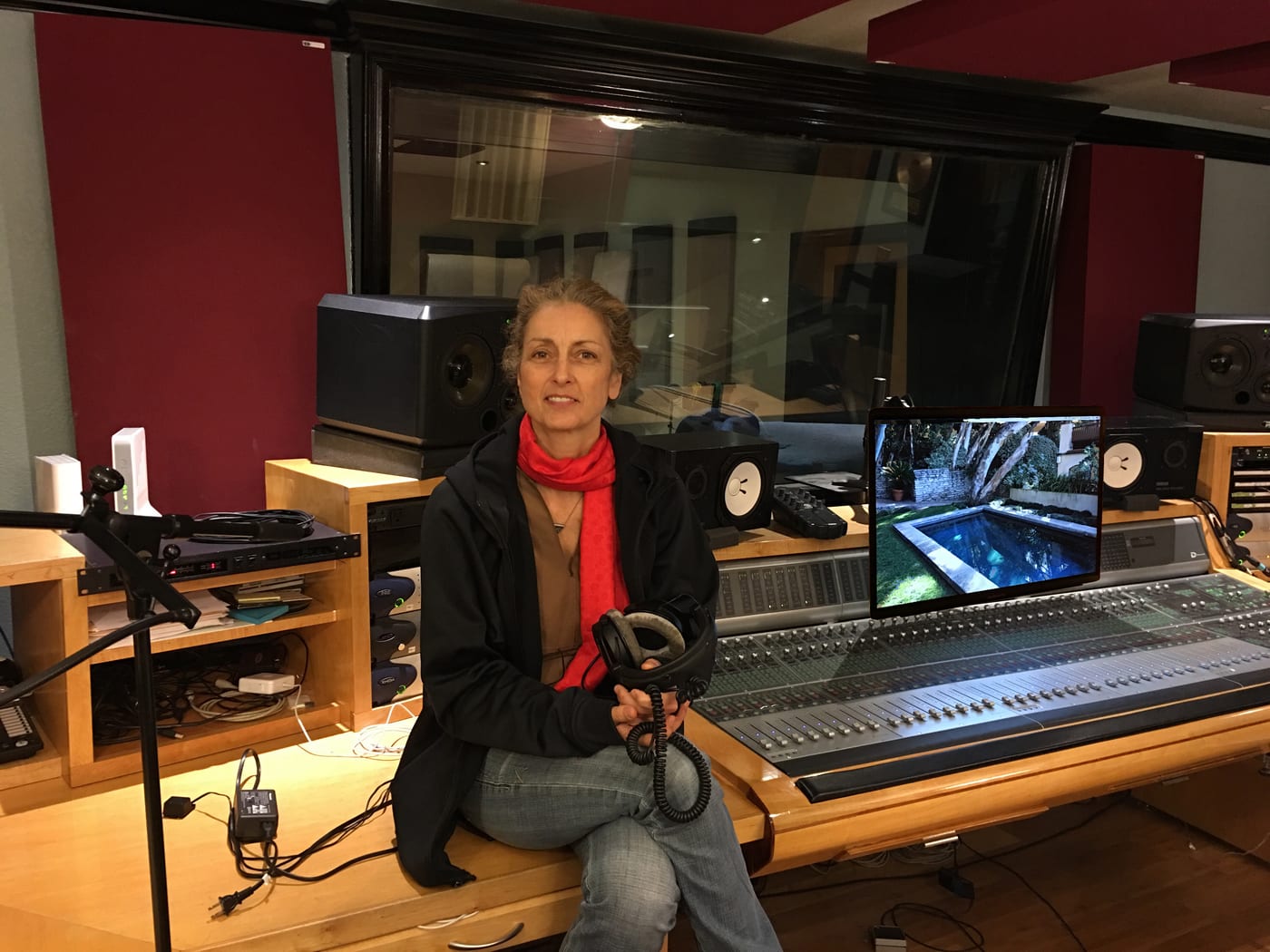
Wah!'s sound rests on Sanskrit mantra sung over harmonium, with her own voice carrying both the melody and the call that a room is meant to answer. In her online kirtan concerts she adds Ableton Live, so her arrangements are assembled electronically rather than played by a large ensemble. Expect something warmer and more produced than unamplified room singing, closer to a modern studio recording in places.
Pacing is the main lever. Her recent work is explicitly mid-tempo, and the catalog as a whole is measured rather than propulsive. The mood is devotional and sincere, built on repetition. A listener who is comfortable letting a phrase return again and again will find the album opens up; a listener who wants variety or ironic distance will not.
Because the track list isn't part of the verified record, the most useful advice is about how to move through the eleven tracks rather than which to prize.
- Listen for the call. In kirtan, the lead voice offers a line and the response returns it. Notice how her phrasing leaves space for an answer, even on a recording where you are the only one responding.
- Listen for the bass of the arrangements. Her decades as a bass player show up as a rock-band pulse in some of her work. Follow the low end beneath the harmonium and you will hear where the groove comes from.
- Listen for the electronic layer. Her production-studio approach, shaped by Ableton Live, is what separates her from acoustic kirtan peers. Pay attention to how the layers build and settle.
- Listen across the full album. Starting with full albums rather than singles gives the clearest picture of her range, and Elevated rewards being heard in order from beginning to end.
Wah!'s work belongs to bhakti, the devotional path in which sung names of the divine carry the practice, and her specific form is kirtan. Elevated sits squarely within that lineage through its Sanskrit mantra, while her yoga-teaching frame ties it to the postural and breath traditions most Western students associate with yoga.
Two cautions are worth stating. The available data names no specific teacher or line of succession, so her claim to have brought kirtan to the West should be read as her own account. And her sound-healing vocabulary extends the tradition into the wellness world, which some purists of Indian kirtan may read as a departure from older forms. Elevated is best heard as Western, studio-shaped devotional music rather than as a preservation of older practice.
This album lands hardest for the listener who already practices yoga or is curious about it and wants a sung accompaniment that is sincere without being austere. It suits someone in a season of stress, since fans once made a bumper sticker reading "Less Stress More Wah!", a detail that captures how personally many listeners relate to her music. It also suits the repeat listener who has worked through Queen of Mantra and wants more of the same devotional sound.
It is a poorer fit for those who want purely traditional, unaccompanied kirtan, high-BPM electronic music, or scholarly depth on Indian devotional texts. Skeptics of wellness language may also want to keep the music and the claims around it separate.
Give Elevated one uninterrupted sitting in the evening, after the day's obligations are done. Use headphones for the first pass so you can follow the harmonium, the voice and the electronic layers as separate strands. Dim the lights, keep your phone out of reach, and let the repetition do its work rather than waiting for something to happen.
On a second listen, sing back. Kirtan is participatory, and the response is half the form. Even quietly, under your breath, answering the call changes the album from something you hear into something you do. If you want a ritual frame, play it as a closing practice after yoga or as a quiet opening to a Friday night, in the spirit of the online programs that inspired her newest work.