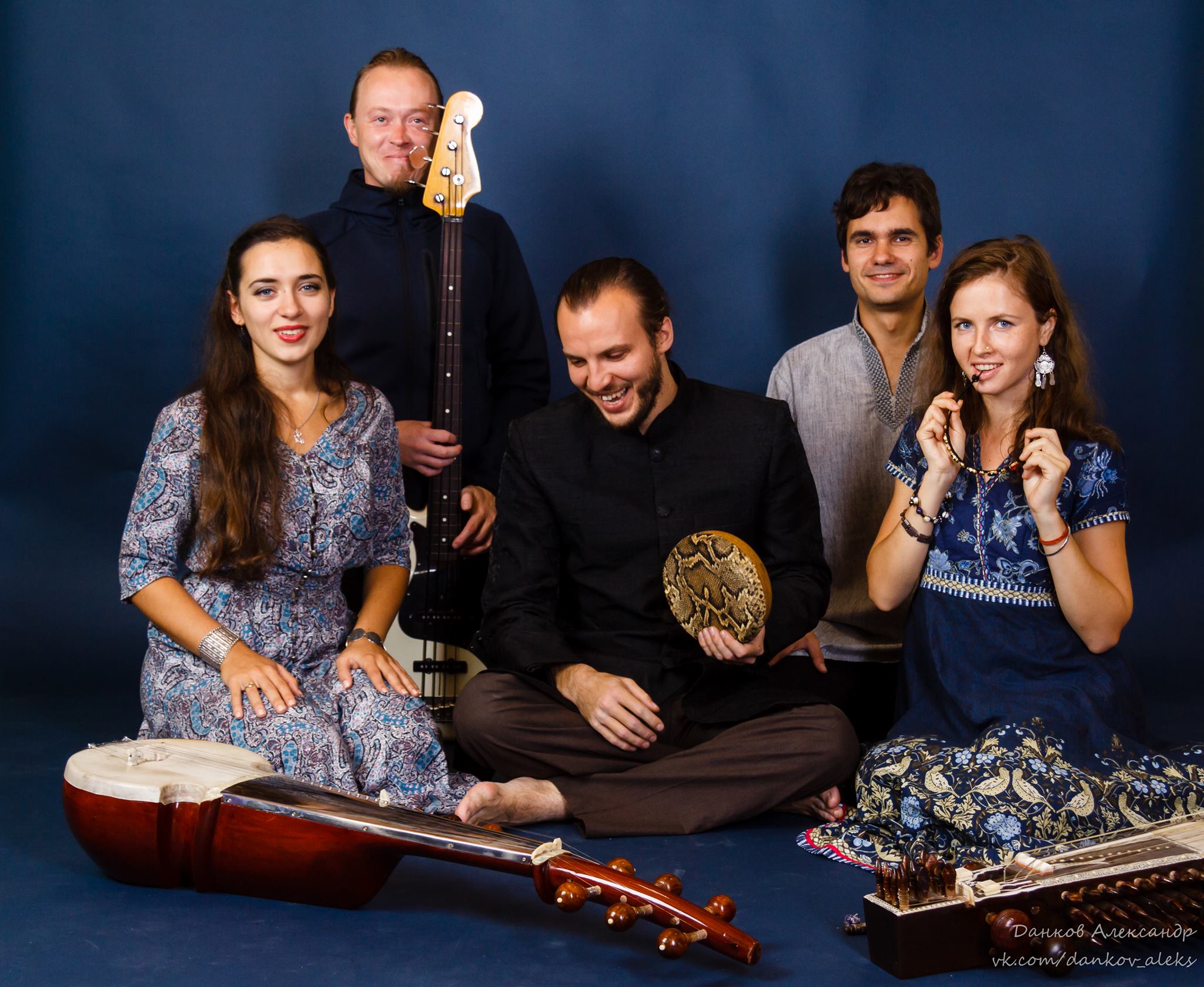

Nastya Saraswati represents a fascinating bridge between worlds—Russian classical training meeting Hindustani devotional practice, the European violin reimagined through raga and gamaka. Yet despite her visibility on India's televised stages and her reputation in cross-cultural fusion circles, Saraswati has not yet released a formal studio album. Her artistic practice has been channeled primarily through live performance, collaboration, and ephemeral digital releases rather than the traditional album format. This makes her a unique figure in contemporary world music: an artist whose influence and technical mastery are well-documented, but whose recorded catalog remains in formation. For listeners seeking her sound, the path lies not through a discography of full-length releases, but through live recordings, festival appearances, and collaborative tracks scattered across platforms and compilations. What follows is a complete guide to her documented album releases—a catalog that, as of now, awaits its first entry.
For devotional listening: As Nastya Saraswati's catalog develops, watch for releases that center her Sanskrit and Hindi vocal work accompanied by drone-based violin. Her approach to kirtan and bhajan traditions promises to offer a unique entry point for those seeking spiritual depth in sound.
For contemplative moments: Future releases featuring her raga-inspired violin improvisations—particularly those built around evening or late-night ragas—will likely provide the introspective, meditative quality that comes from her fusion of bel canto phrasing and Indian microtonal techniques.
For energetic exploration: Collaborations with electronic producers and ambient artists working in world fusion will showcase Saraswati's ability to adapt classical forms to contemporary contexts, offering rhythm and innovation for active listening.
For healing and stillness: Her synthesis of Russian and Indian sacred traditions, particularly when paired with tabla and sitar in acoustic settings, holds promise for listeners seeking music that moves slowly, intentionally, and with deep tonal richness.