
Origins and a Transatlantic Upbringing
Karsh Kale was born in England to Indian parents and spent his formative years moving between the United Kingdom and the United States. This transatlantic childhood gave him a dual citizenship of sound—fluent in both the Indian classical traditions his family carried with them and the Western musical landscapes that surrounded him. It was a life lived between continents, between lineages, and that betweenness would become the defining feature of his artistic voice.
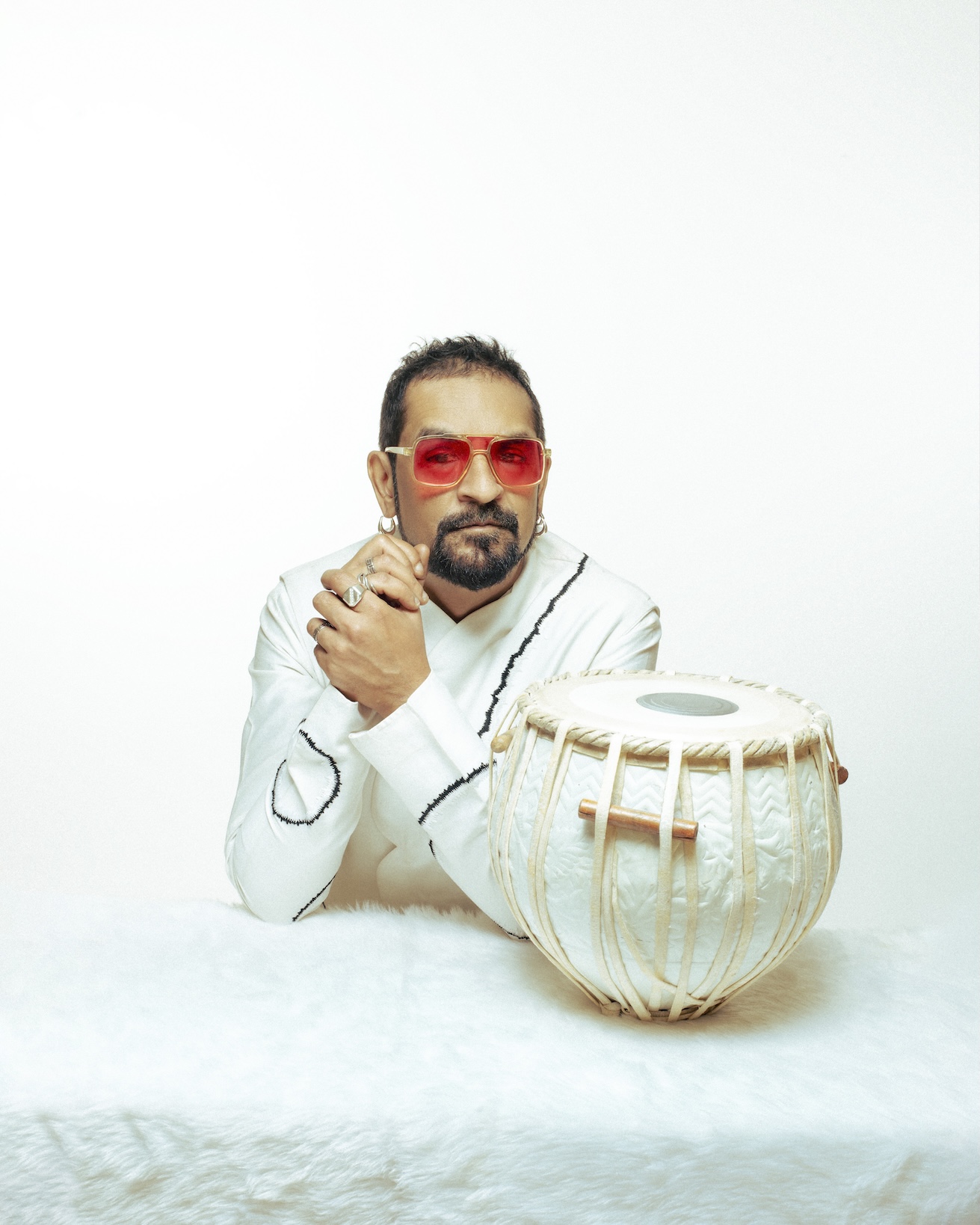
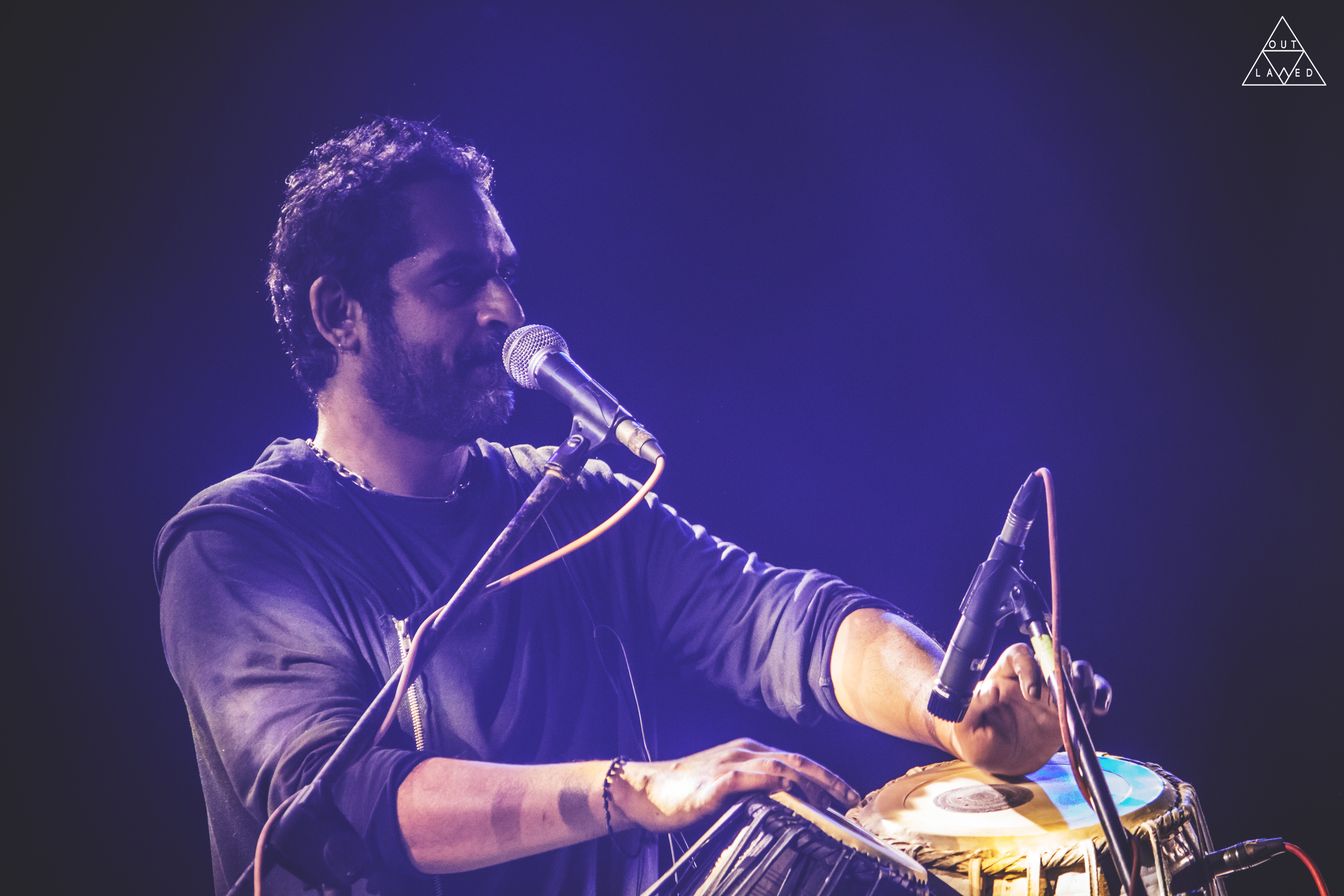
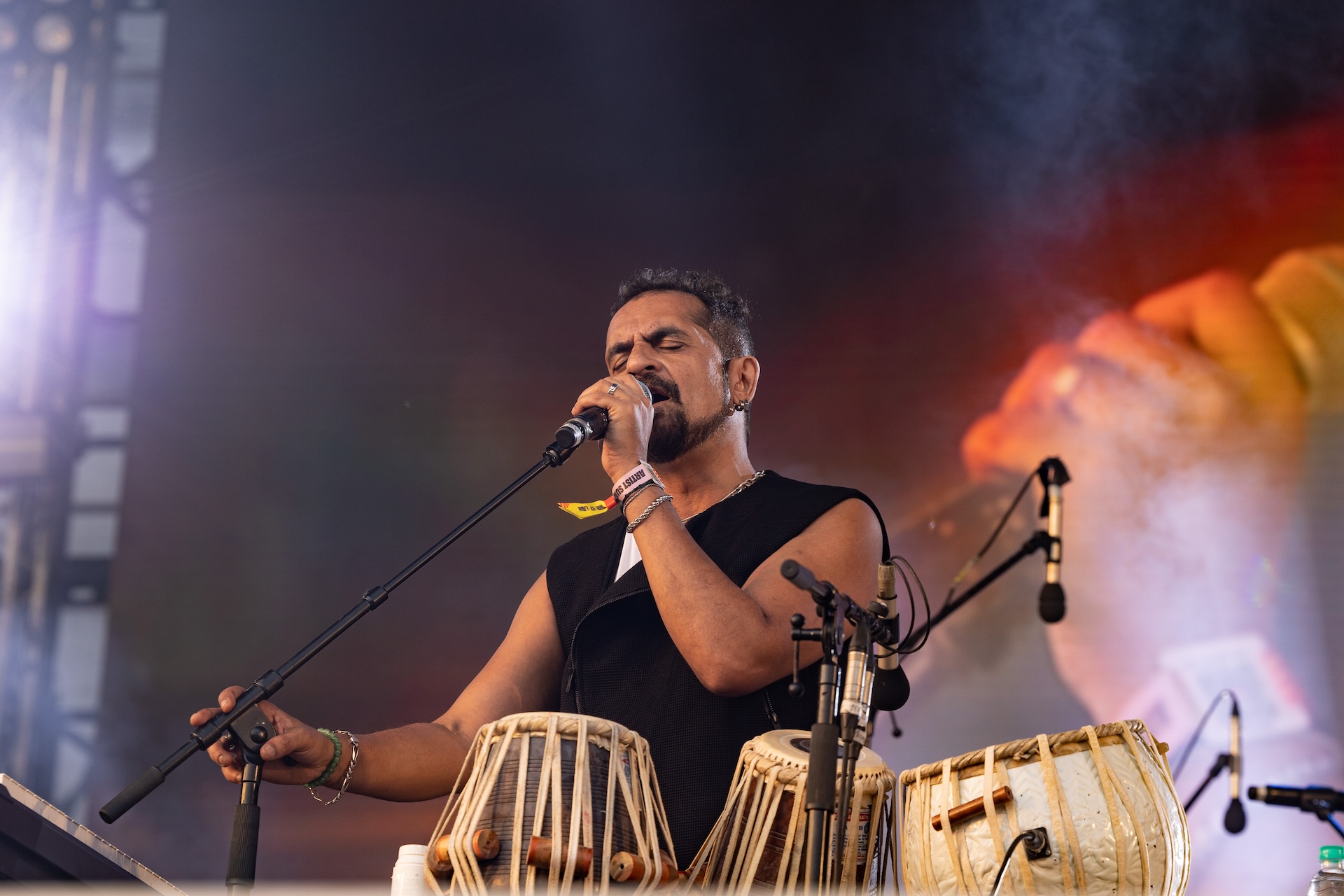
His formal training in tabla under classical maestros grounded him in the rigor of North Indian rhythm. The tabla, an instrument capable of extraordinary tonal and rhythmic complexity, became more than just a skill set—it became his primary language. But Kale was also coming of age in an era when hip hop, jungle, and electronic music were reshaping what rhythm could mean in popular culture. By the time he landed in New York City, he was carrying both vocabularies with him, waiting for the right moment to merge them.
The Downtown Crucible
The turning point came in the experimental ferment of 1990s downtown New York. This was a scene defined by boundary-crossing: jazz musicians playing with DJs, classical instrumentalists collaborating with noise artists, and a general rejection of genre purity in favor of something more exploratory. For Kale, immersion in this environment meant permission to treat his tabla training not as something to be preserved in amber, but as raw material for invention.
Where earlier fusion projects had often positioned Indian instruments as exotic garnish over rock or jazz frameworks, Kale took a different approach. He treated the tabla as both a rhythmic anchor and a textural element, programming live percussion alongside synthesizers and samplers. His productions began to layer Hindi and Urdu vocals, sitar, bansuri, and sarangi with breakbeat, drum and bass, and electronic textures in ways that refused easy categorization. This wasn't fusion as compromise—it was fusion as conversation, with each tradition speaking on equal terms.
Core Contribution: Defining the Asian Underground
Kale emerged in the late 1990s as one of the first artists to bring tabla and South Asian melodic structures into serious dialogue with Western electronic music and hip hop. His work helped define what would later be recognized as the Asian Underground movement and, more specifically, the foundations of desi hip hop. These weren't just genre labels—they represented a new cultural space where the South Asian diaspora could hear itself reflected in contemporary electronic music without having to choose between heritage and modernity.
His approach appealed equally to South Asian diaspora audiences navigating their own hyphenated identities and to listeners of IDM and trip hop who were hungry for new rhythmic possibilities. By refusing to flatten either tradition, Kale created music that could function as club fuel, as concert-hall composition, and as a kind of sonic home for those who'd never quite fit into single categories.
Major Works and Collaborations
Kale's solo discography traces an expanding universe of reference points. Liberation (2000) established his core sound—propulsive tabla rhythms meeting electronic production with a clarity and urgency that felt genuinely new. Realize (2001) deepened his palette, bringing in a wider range of collaborators and pushing further into vocal territory. By the time Broken English arrived in 2006, Kale was working with a global roster of vocalists and instrumentalists, creating something that felt less like fusion and more like a new musical language altogether.
Beyond his solo work, Kale became a core member of Tabla Beat Science, a collective that reads like a summit meeting of rhythmic innovation: Zakir Hussain, Bill Laswell, and Talvin Singh. The group released two influential albums exploring the intersection of Indian classical rhythm and electronic abstraction, pushing the tabla into territories of noise, ambient, and avant-garde experimentation. These weren't merely crossover projects—they were serious investigations into what happens when different rhythmic philosophies meet on equal ground.
His most recent release, Dust, continues his exploration of organic and digital textures, proving that decades into his career, Kale remains committed to the fertile edge where traditions collide.
Cultural Significance and Legacy
Working primarily from New York City, Kale has spent more than two decades building a body of work that matters to multiple audiences simultaneously. For the South Asian diaspora, his music offers a model of cultural hybridity that doesn't require forgetting where you came from. For electronic music heads, he opened up new rhythmic and melodic territories, demonstrating that tradition could be a source of innovation rather than constraint.
His influence can be heard in the flourishing of desi hip hop, in the way Indian classical instruments now appear in electronic contexts without raising eyebrows, and in the broader acceptance of South Asian artists in global music conversations. He helped create the infrastructure—sonic, cultural, and imaginative—for the artists who followed.
What makes Kale significant isn't just that he combined Indian classical music with electronic production. It's that he did so with enough skill, integrity, and vision to make something genuinely new—something that honored both lineages while belonging fully to neither. In an era increasingly defined by cultural collision and creative hybridity, Karsh Kale's work stands as both an early blueprint and an ongoing masterclass in how to navigate multiple musical worlds without losing yourself in the translation.