
Flow arrived on February 7, 2025, as a single containing one track. There is no tracklist to navigate and no sequence to map, so this guide treats the release as a single sustained gesture. It is best approached the way Jim Gelcer's recent work generally asks to be approached: slowly, and with attention to what is left unsaid.
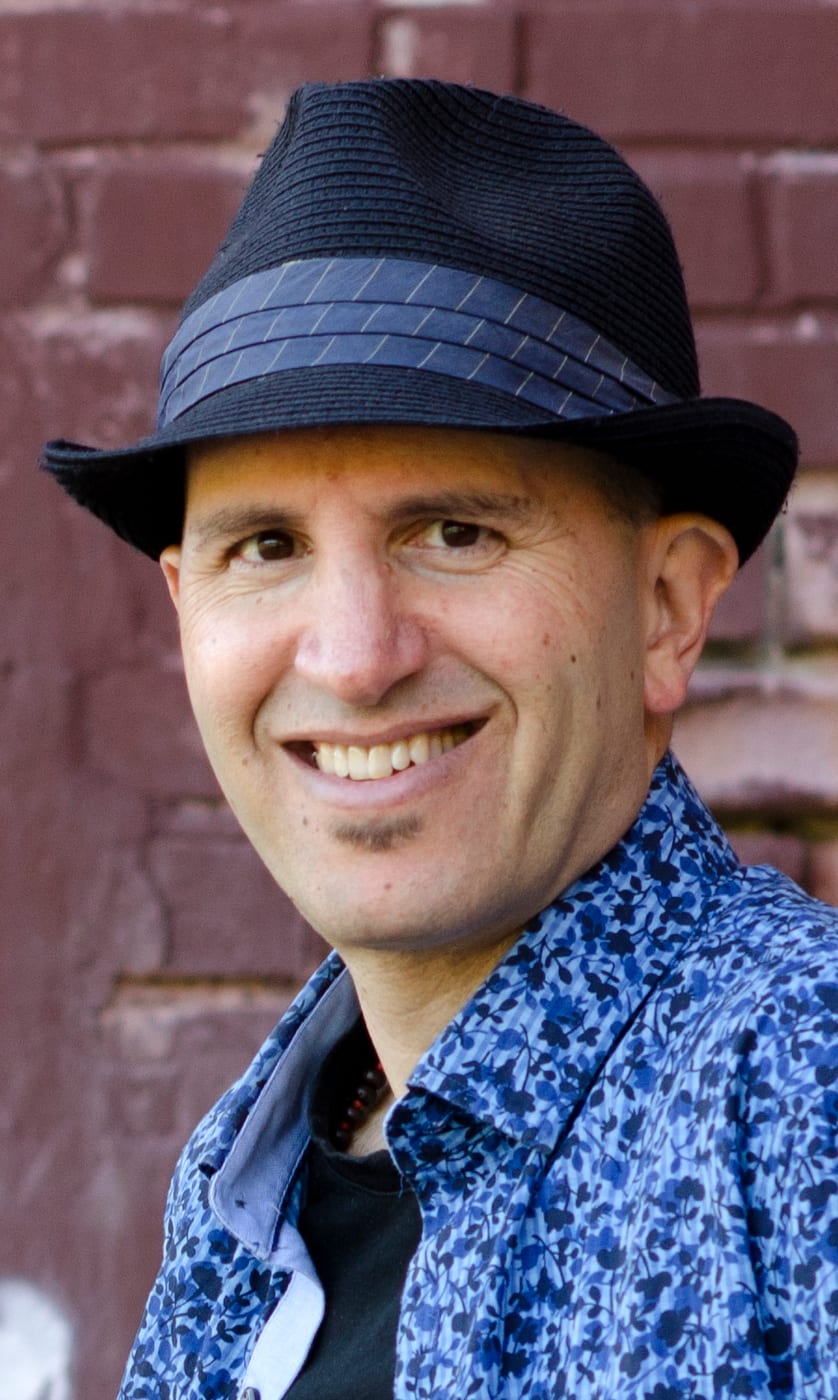
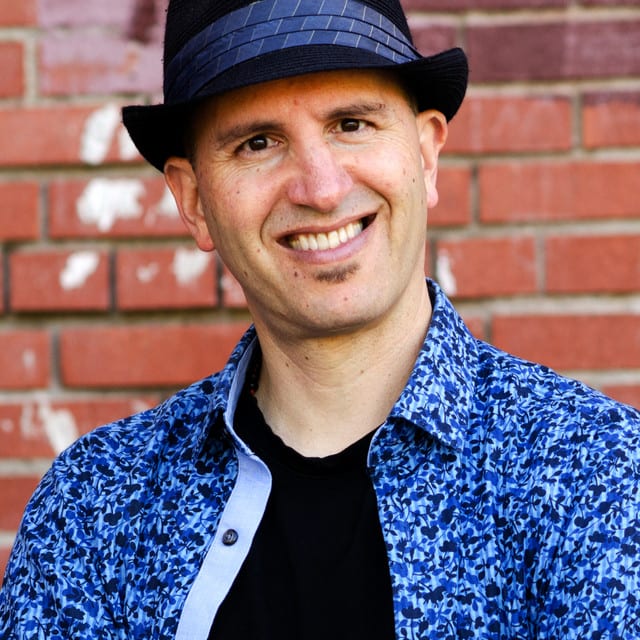
Gelcer is a Toronto-based drummer, singer, composer, songwriter and producer who also teaches yoga. He was born in Cape Town and moved to Toronto in 1968. His path runs from formal study of drums, vibraphone, arranging and improvisation at the Eastman School of Music, through jazz at York University, to a working life as a professional musician. That life included touring and recording with Lee Aaron and the Flying Bulgar Klezmer Band, and early composing for film and television, including CBC's The Journal.
Kirtan entered through the Sivananda Ashram in the Laurentian Mountains, where he was invited to chant in the temple. His discography since then includes Bhagavan (2010), Bhakti Groove Machine (2013), Cape Town to Kolkata (2019) and the album Quiet Expanse (July 2025). Flow belongs to the run of singles he released across 2024 and 2025, a period in which his work has leaned toward brevity, themes and meditative pacing. It lands in the same season as releases like "Healing," "Hope," "Compassion" and "Letting Go," and it shares their purpose: music short enough to slot into a morning routine or a practice session.
I can't give you a moment-by-moment account of what happens inside this single, but Gelcer's established palette tells you what to expect. His voice is a warm, precise alto in the mid-register, more concerned with clarity and sincerity than display. Harmonium is the usual anchor of his kirtan, and his jazz training tends to show up in chord voicings, unexpected harmonic movement and room for improvisation on drums or keyboards.
The pacing in his recent work is deliberate. He is comfortable holding one phrase or mantra for a long stretch without decorating it, letting repetition do its work rather than propelling the listener forward. The mood is closer to chamber music than to a festival: intimate, conversational, musically literate and unshowy. Listen for restraint. There are no stadium drums and no swelling synths, and the space between phrases matters as much as the phrases.
With a one-track release, the signature track is the whole release, and Flow is worth hearing for three reasons.
The title as instruction. "Flow" suggests continuity rather than climax. Given Gelcer's habits, expect a piece that rewards staying put instead of waiting for a payoff.
The jazz mind under the devotion. His improviser's instinct for space and silence is what separates his arrangements from kirtan that simply stacks layers. Notice where the music breathes, and how little it needs to.
The voice as the center. In his work, the Sanskrit text and the emotional sincerity of delivery carry the weight. Follow the voice first, then widen your attention to what supports it.
Gelcer's practice sits within the Sivananda Yoga lineage, founded by Swami Sivananda, which treats asana, pranayama, meditation and bhakti as integrated paths. He completed teacher training at the Sivananda Ashram Yoga Retreat in the Bahamas in March 2006. His kirtan operates inside that framework of devotion and self-inquiry rather than as entertainment.
What makes his place in the tradition distinctive is the honesty of the blend. He is known for combining traditional kirtan with jazz, R&B and rock, and he does not present the result as a pure or untouched form. Yoga Chicago magazine called him "the perfect bhakti singer." Flow continues that approach in miniature: devotional music, sung seriously, in a Western musician's harmonic language.
This single suits the listener who wants devotional music as a companion to practice rather than as a spectacle. It will resonate with yoga students and teachers who want something to anchor a morning sit or a closing savasana, and with jazz or ambient listeners curious about how improvisational training can serve a mantra. It fits a life moment of wanting to slow down, perhaps a stretch of stress, grief or transition when a short, steady piece is more useful than a full album.
It is not for those who want ecstatic, high-energy call-and-response kirtan, or dense production and propulsive rhythm. Listeners who want purely instrumental music or entirely secular wellness sound should also look elsewhere, since Gelcer's work engages Sanskrit and mantra as practice.
Give Flow a quiet slot with no other tasks. Headphones will help you notice the placement of the voice and the silences around it. Early morning or evening both suit it. If you have a practice, let the track sit inside it: a few minutes of seated breathing before pressing play, then stay with the repetition rather than skipping ahead to see where it goes.
Listen once for the voice and once for the space. Then, if it moves you, continue to Quiet Expanse for the same sensibility at album length.