Garth Stevenson is a composer and double bassist first, and his teaching is an extension of that practice rather than a separate discipline. Anyone approaching him as a meditation teacher in the conventional sense, with a curriculum, a doctrine and a lot of spoken instruction, should adjust expectations. The material available describes a teacher who works through walking, silence and sound, and who says comparatively little about method.
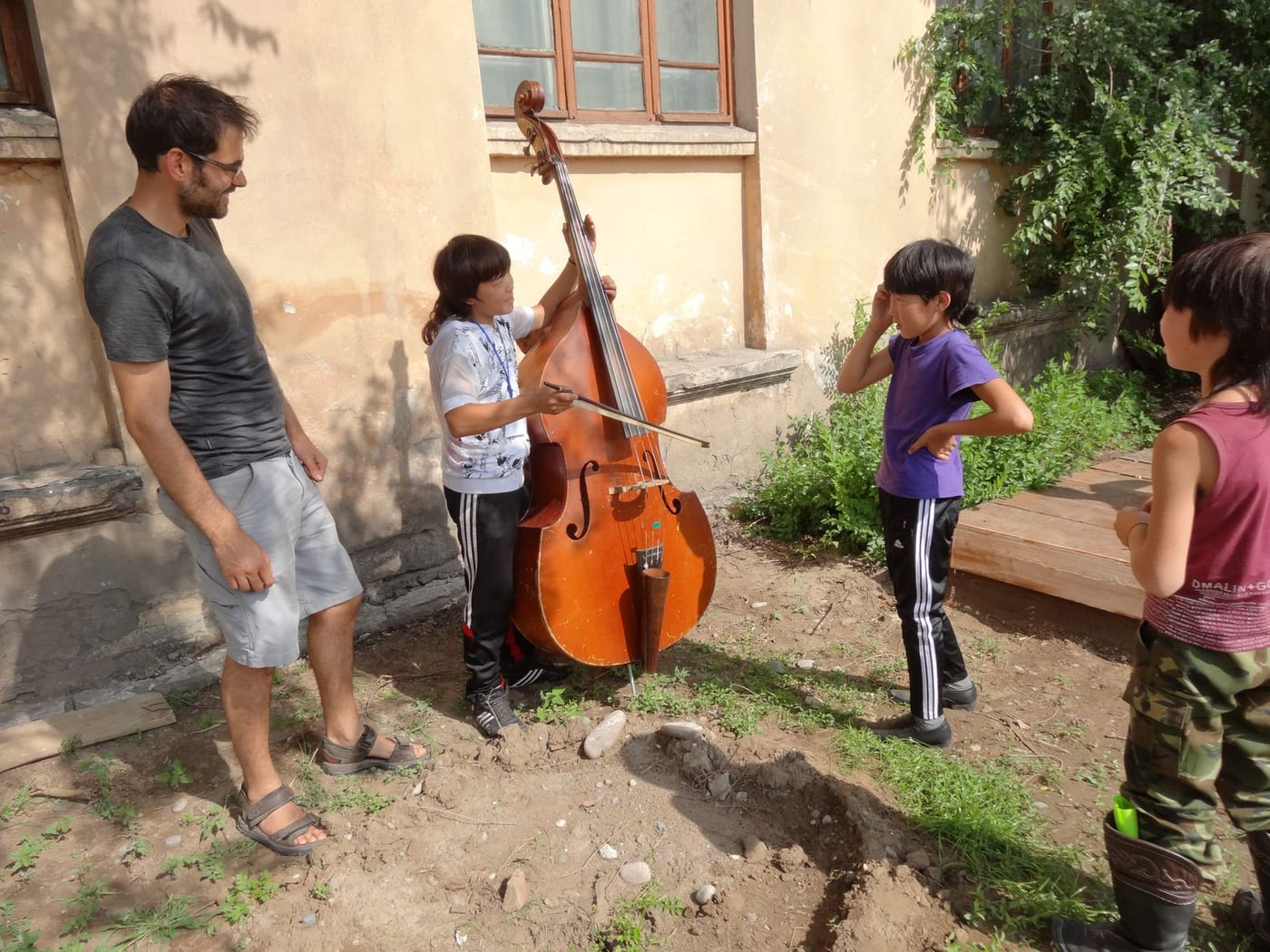
The main documented format is the Music Meditation Hike. It combines slow walking, silent observation and live double bass performed in the landscape. The bass is not a performance staged for an audience sitting in rows; it sits inside the place, and the place answers it. Participants are led into long stretches of quiet and encouraged to notice what the environment itself sounds like.
What a session feels like, then, is closer to a guided walk with extended pauses than to a class. The pace is slow by design. The instruction is light, and the walk itself does much of the teaching. Specifics such as schedules, group sizes and pacing are not given in the available material, and prospective participants should confirm them at garthstevenson.com. His listed concert at the Kripalu Center for Yoga & Health in Stockbridge on 13 November 2026 is a performance, not a description of how his teaching is structured, though it does place his bass work in a movement and retreat setting.
Three themes run through the work: attention, solitude, and the way environment shapes perception. The bio says the project began as a personal experiment in solitude and attention, and that origin still shapes the hikes, where silent observation is the practice itself rather than a gap between activities.
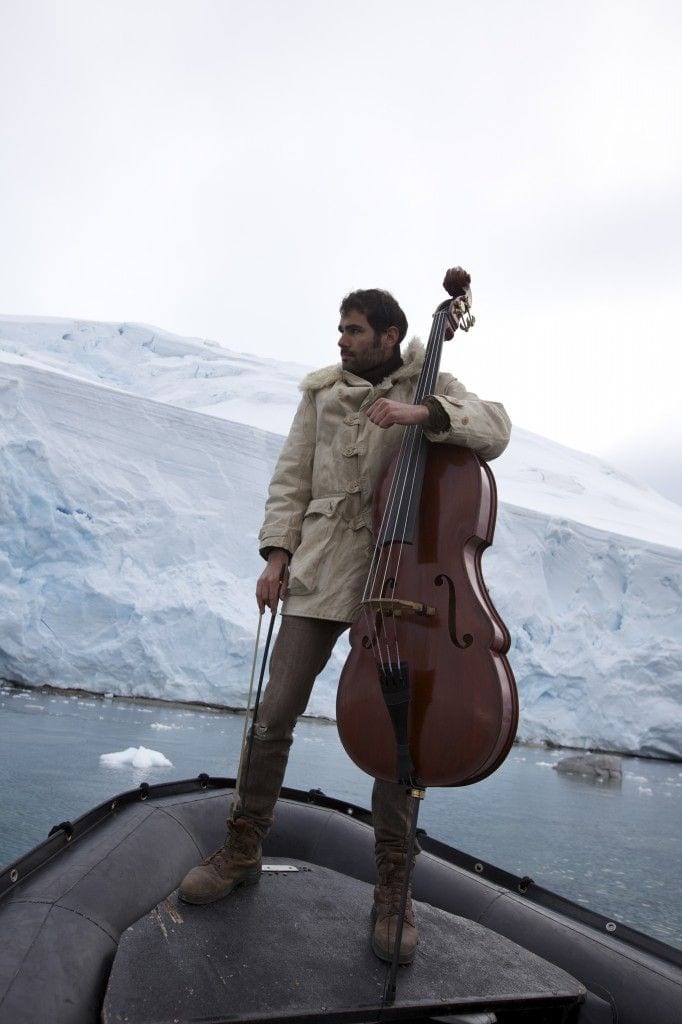
Place is the fourth, closely related theme. Each recording is tied to its site, from coastal British Columbia to the Antarctic Peninsula, and the teaching implicitly asks students to notice where they are standing. Patience and space are the governing principles, which suggests students are encouraged to leave silences unfilled. Beyond this, the material does not describe more specific doctrinal content, and it would be inventing to supply any.
No direct questions or exercises from his sessions are documented, so the questions here are those the format itself raises. What does this place sound like when nothing is being added to it? What changes in attention when the walking slows and the talking stops? What does a single sustained bass note do to the space around it, and what does the space do back? The recordings pose the same inquiry in another form: the room is a participant, not a texture applied afterward.
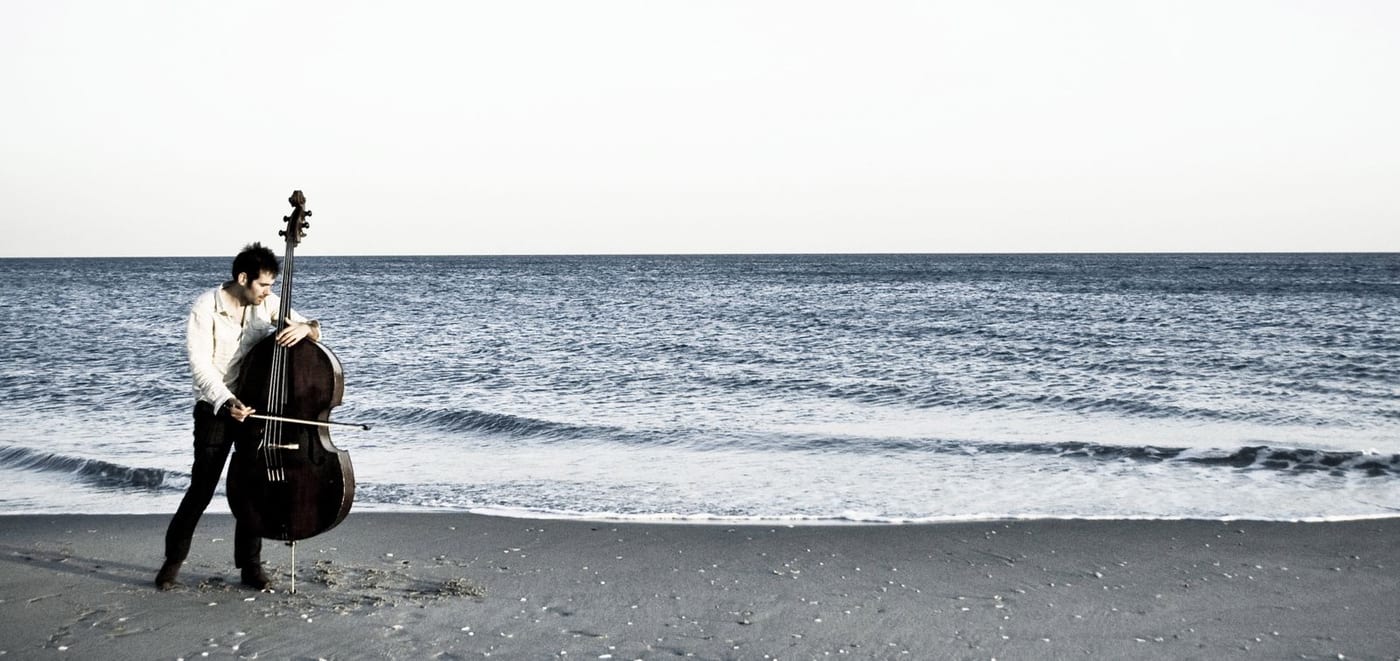
The aesthetic is restraint. He performs the bass in place and leaves wind, water and natural reverb unprocessed, so the environment enters the music directly. The bass is often sparse, a phrase may hold for a long stretch before the next arrives, and the silences carry as much weight as the notes. The bio states that the signature favors patience and space over virtuosity.
Nothing in the material supports claims about humor, storytelling or scripture in his delivery, and none should be assumed. The practice is grounded in observation rather than devotional text. The voice here is mostly not a spoken one: the recordings are wordless, and the teaching is described as light on verbal instruction, with emphasis falling on sound and walking. The one outside characterization on record is iTunes describing his album The Southern Sea as "the aural equivalent of effortlessly swimming underwater without ever needing to come up for air," though that title does not appear in the discography listed in the source data and should be verified before it is recommended.
It suits people who learn through listening and walking, who are comfortable with silence, and who already have some affinity for mindfulness or environmental listening. No formal musical or meditation background appears to be required; newcomers can treat the walk itself as the instruction. Backcountry hiking is part of the format's origin, so participants should expect outdoor terrain and check physical demands in advance.
It is a poor fit for those who want a structured curriculum, extended verbal teaching on doctrine, or a teacher who explains and interprets. Listeners who want rhythm, melodic hooks or conventional song structure will find the recordings formless, and those who want background music may find the audible wind and silences too present. The quiet pieces can also feel thin on small speakers; headphones serve them better. For guided group practice, the natural sound can compete with a teacher's voice, so facilitators should test levels first.
No lineage, guru, teacher or formal school is named in the bio, and none should be attached to him. His stated background is training in music performance and a longstanding engagement with backcountry hiking and environmental observation. The closest honest frame is contemplative listening, positioned between mindfulness practice and nature observation, and closer to self-directed practice than to an institutional line. His listed areas of knowledge include meditation, guided meditation, mindfulness and sound journey work, but those are subject areas, not credentials.
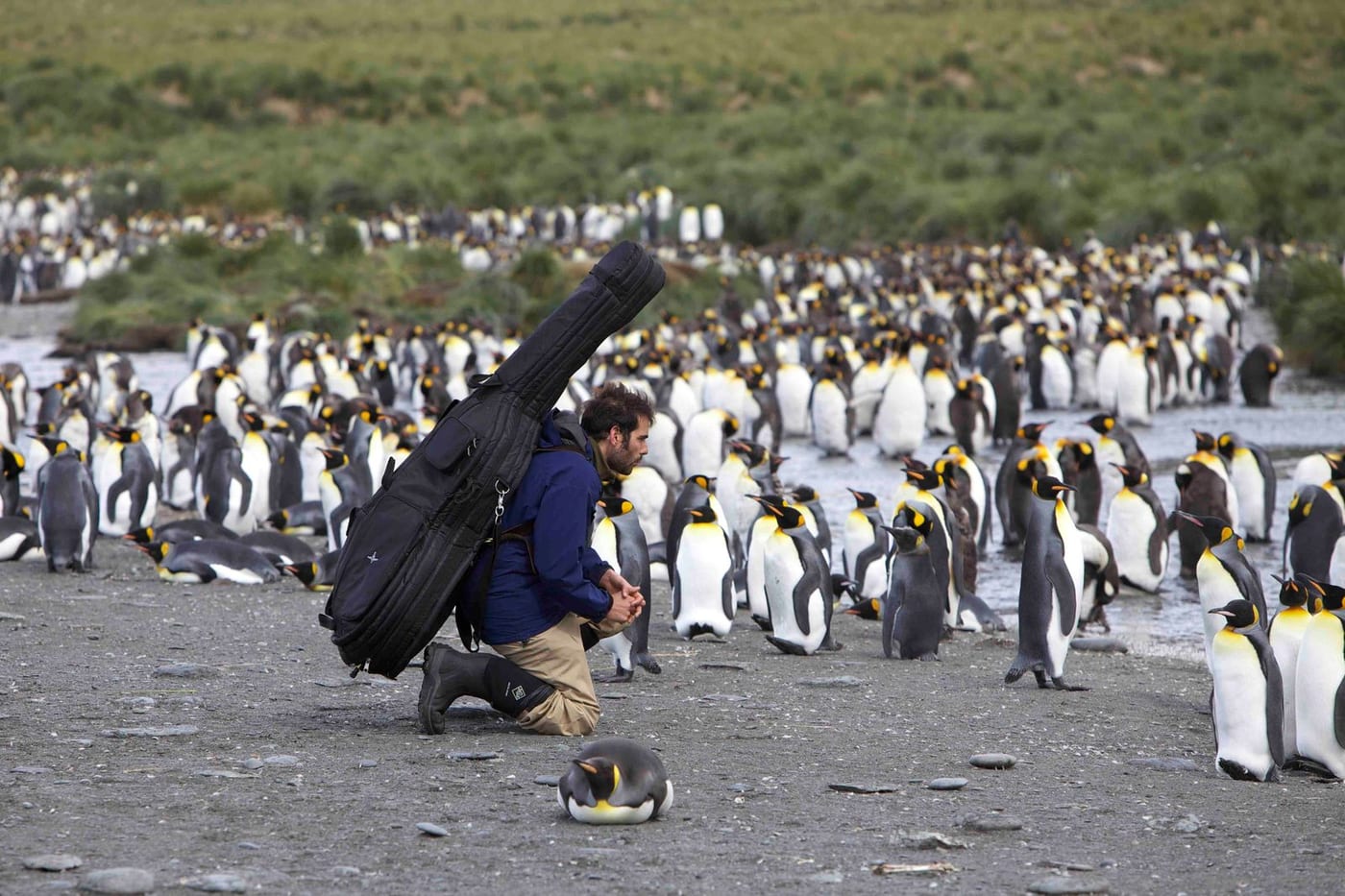
Stevenson's teaching is narrow in method and consistent in its commitments. It offers little in the way of explanation and asks a good deal in the way of patience. Its strength is that the practice and the music are the same gesture: carrying a double bass to a remote place, playing, and listening to what comes back. Those who need a framework spelled out will find little to hold. Those willing to walk slowly and stay quiet will find a method that trusts the place to do much of the teaching.