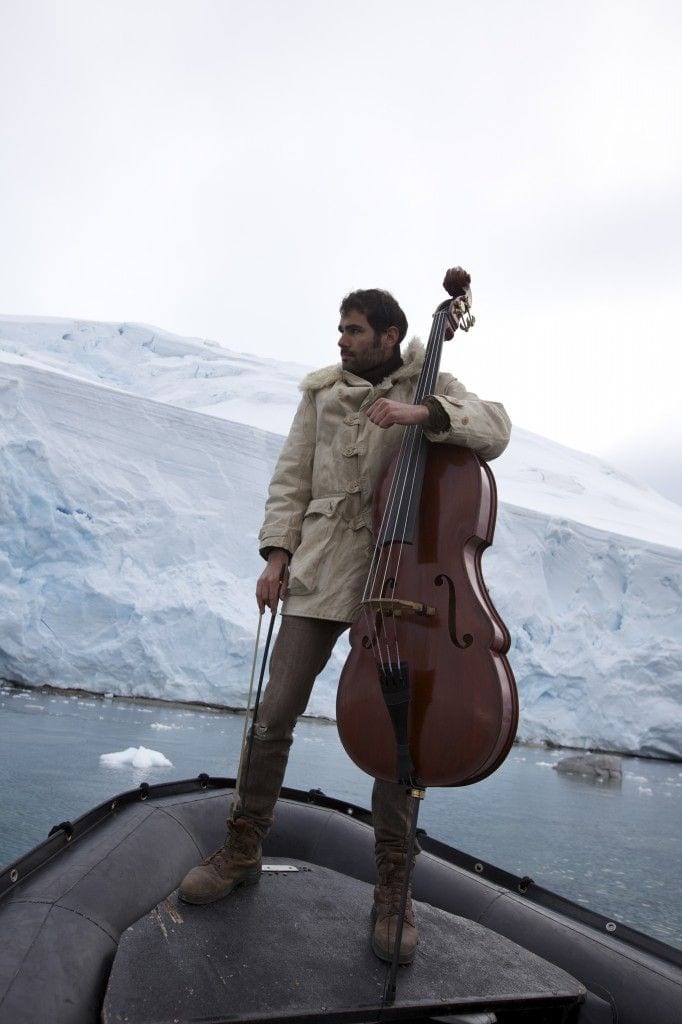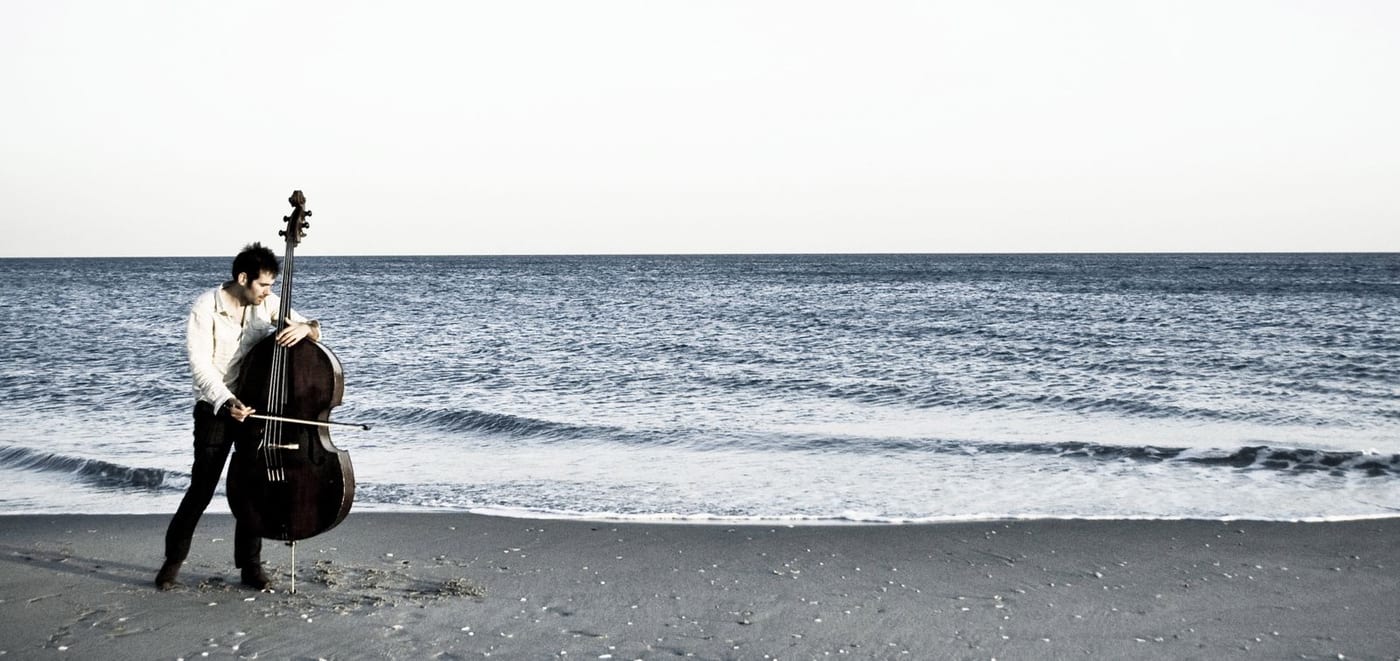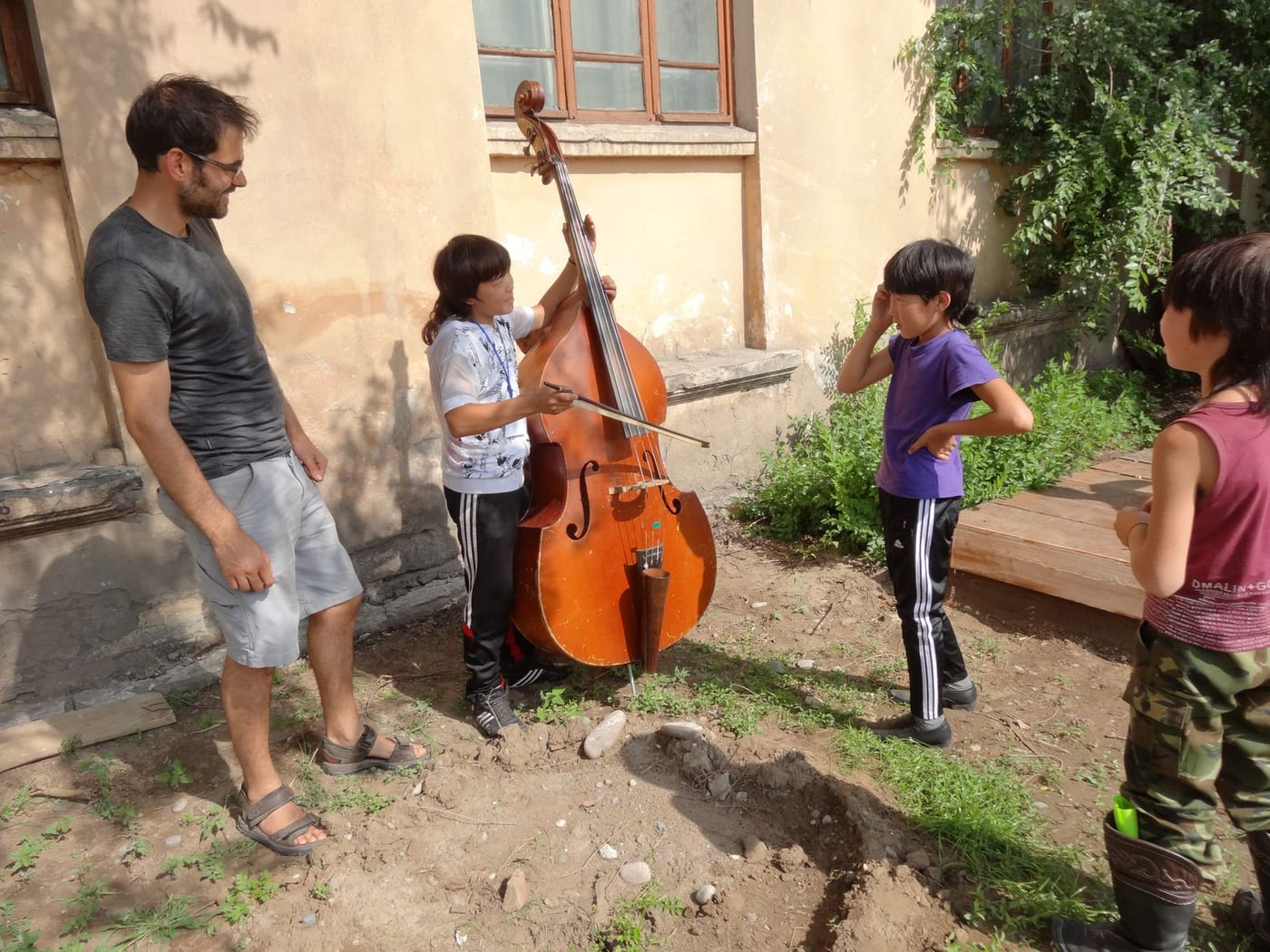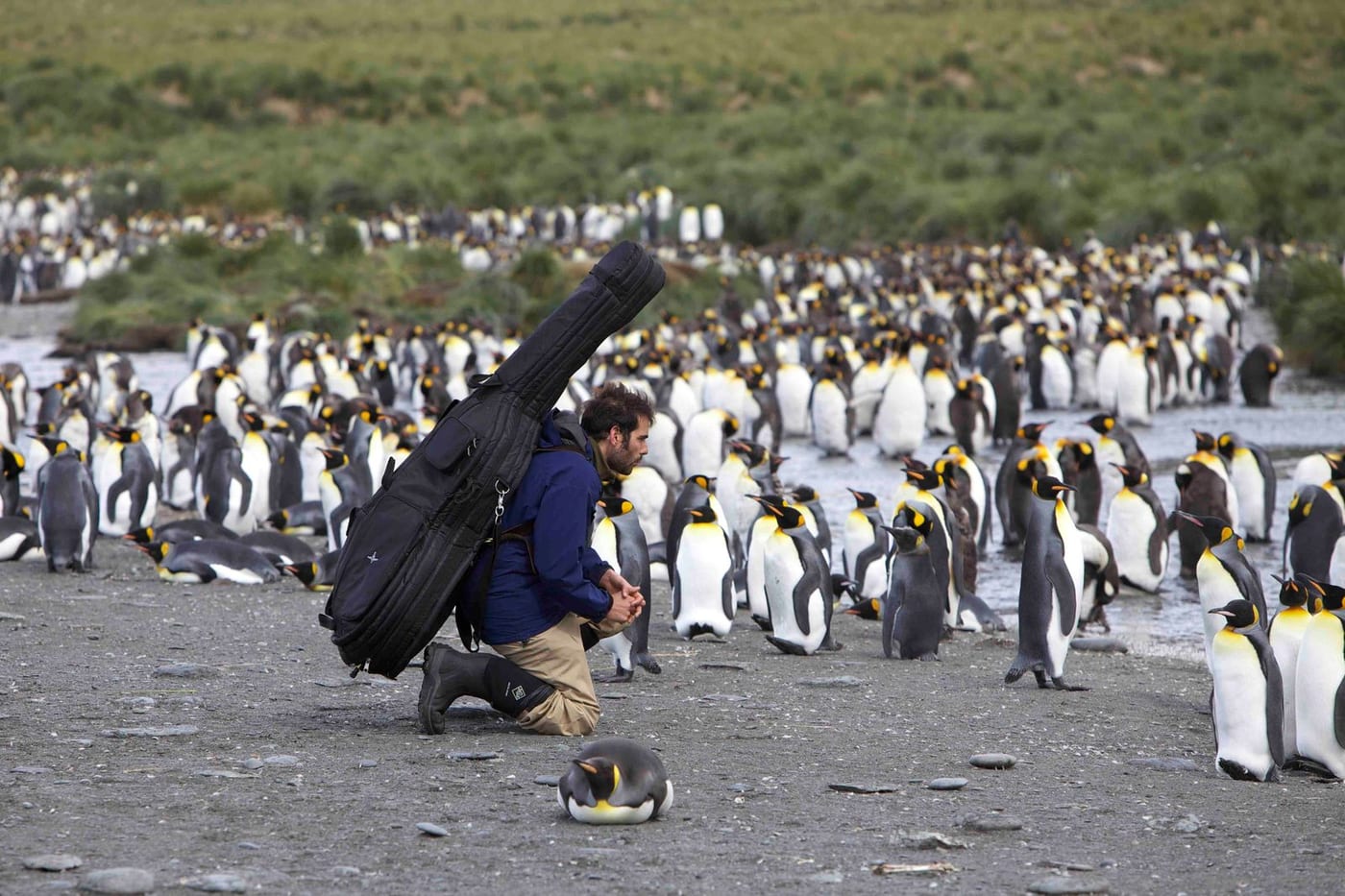
Alpine, released on 17 September 2007, is where the Garth Stevenson catalogue begins. It is the earliest entry in a run that continues through Flying (2011) and Voyage (2016), with film and documentary soundtracks threaded between them. Twelve tracks long, it is the more compact record of the approach that defines his work: carry a double bass into a remote place, play it there, and let the place answer.
That makes Alpine something like a first page in a sonic journal. Stevenson was raised in the mountains of Western Canada, and the album's title points back toward that landscape. Hearing it first, or hearing it after the later albums, is a way to listen to where the signature began, before the method stretched to deserts, beaches and the Antarctic Peninsula.
The core sound is unaccompanied double bass with minimal processing. The instrument's woody attack, bowed sustain and plucked textures sit close to how they sound in the room, or in this case, in the open air. No sung voice or lyrics are credited, so the album is wordless.
What separates Stevenson from many ambient and acoustic meditation artists is that he performs in the location and does not layer or synthesize environmental sound afterward. Wind, water and natural reverb enter through the performance itself. The space is a participant in the composition rather than a texture added at the mixing desk. The result sounds less like a produced ambient record and more like a field notebook kept in sound.
The pacing is slow and the arrangements are sparse. A phrase may hold for a long stretch before the next arrives, and the silences carry nearly as much weight as the notes. The mood is patient and contemplative rather than dramatic. Improvisation shapes each take, which is why the pieces feel observed rather than composed in the conventional sense.
I can't responsibly name individual tracks here. Track titles and durations for Alpine are not in the material available, and inventing them would do a disservice to a record built on honesty of place. Instead, here is how to find the album's high points yourself.
Start with the opening pieces, played at low volume. They set the album's terms: how long the bass is willing to wait, and how much room sound comes in around it. Then listen for the moments where a bowed note is left to decay into the surrounding air. Those are where the "room as collaborator" idea becomes audible. Finally, notice the places where a plucked passage is answered by nothing but wind or open space. That exchange is the album's central gesture, and it lands differently each time.
Alpine does not belong to bhakti, kirtan or any devotional lineage, and no teacher, guru or formal school is documented for Stevenson. The honest frame is contemplative listening, sitting between mindfulness practice and nature observation. His training is in music performance, and his backcountry hiking and environmental observation are the stated roots of the work. The project began as a personal experiment in solitude and attention, which makes it closer to self-directed practice than to an institutional line.
Within ambient and acoustic meditation music, it stands apart for its refusal of post-production atmosphere. It favors patience and space over virtuosity. Stevenson is also a meditation teacher who leads guided outdoor sessions, including Music Meditation Hikes that combine slow walking, silent observation and live bass, and Alpine can be heard as the recorded seed of that practice.
This album rewards listeners who are already inclined toward stillness: mindfulness practitioners, hikers, people who find relief in open space and quiet. It suits a life moment of decompression, such as after a demanding stretch of work, or when you want attention practice without a spoken voice instructing you.
It is not for everyone. Listeners wanting rhythm, a melodic hook, or conventional verses and choruses may find it formless at first, which is intentional. Anyone who wants music as background fill may find the audible wind and silences too present. It is a poor fit for a party or a fast workout.
Use headphones. They bring out the low register and the room sound most clearly, and thin laptop speakers will lose much of the album's depth. Choose an evening or a quiet morning, and listen alone with the lights low. Don't treat it as a playlist behind other tasks. Sit or lie still and let the first piece run its full length before judging it.
If you plan to use it for meditation or yoga, such as during long holds or final relaxation, audition the opening tracks at low volume first. Natural sound can compete with a teacher's voice, so test levels before using it in a class. The material does not frame the album as ritual music for any specific tradition, so any ceremonial use depends on the context you bring to it.
For a newcomer, Voyage (2016) is the more straightforward entry point. Alpine is the one to turn to when you want to hear how the patience of the bass first took shape.