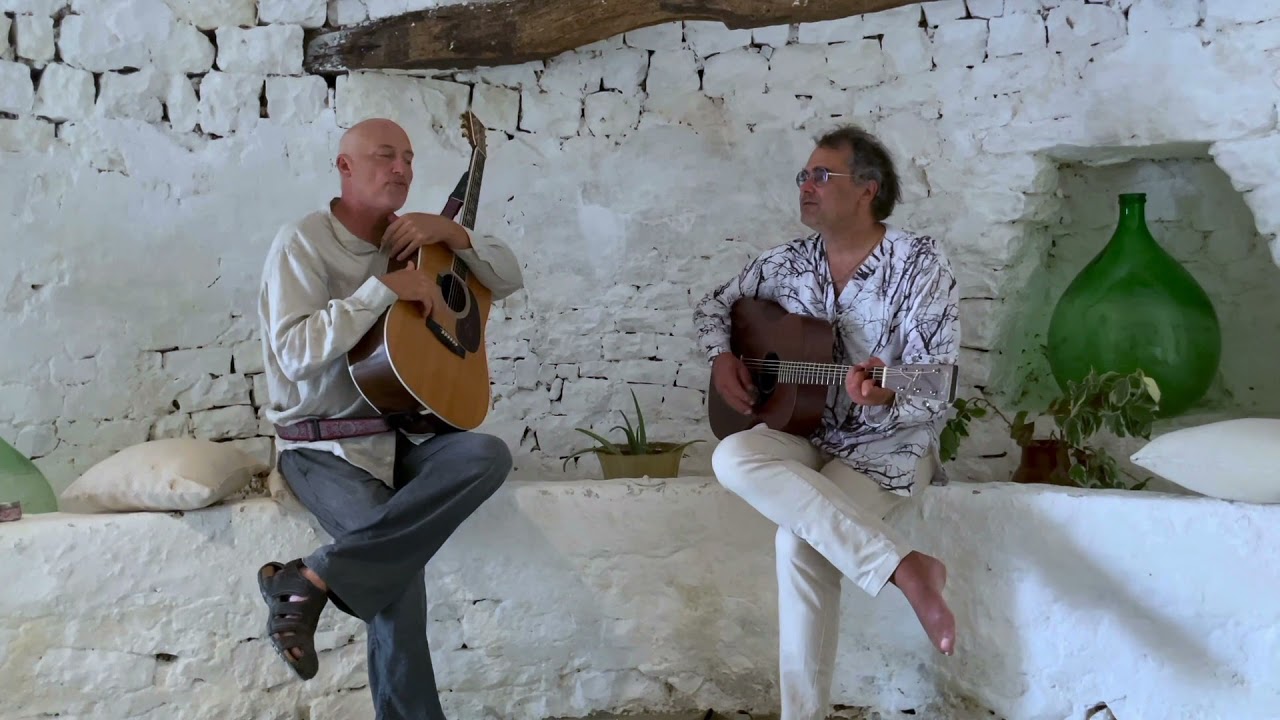
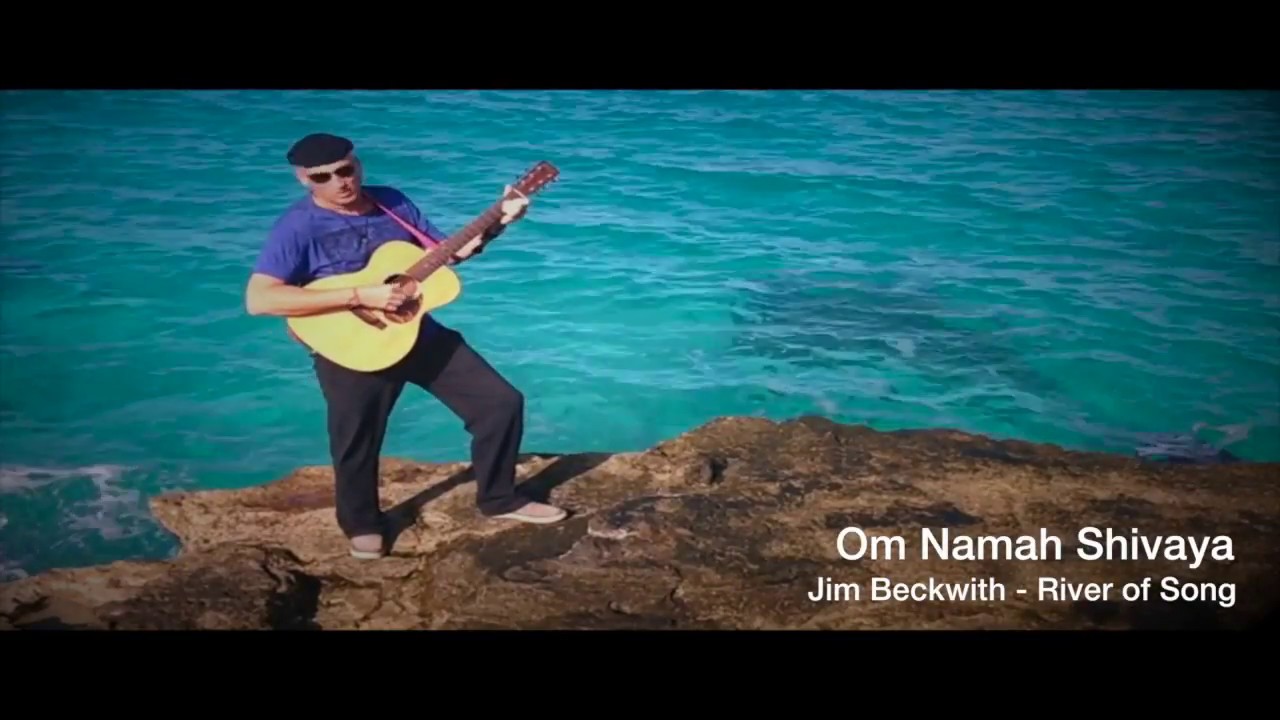
In a 53-second clip from Bhakti Fest, a roomful of practitioners move in loose, spontaneous rhythm while a Ganesha chant fills the air. This is not choreographed dance. It is not static meditation. It is the intersection where devotional singing and embodied expression meet—where the body becomes inseparable from the sound it honors. Janet Stone leads the movement; Jim Beckwith's voice carries the chant. What emerges is a direct translation of bhakti principle into lived experience: the idea that devotion is not contemplated, but lived through the body.
The convergence of sound and motion shown here reflects a lineage that merges two distinct traditions: the embodied intelligence of Hatha yoga and the emotional directness of bhakti practice. Bhakti—the path of devotion—has always centered on the heart and its capacity to open through repetition, singing, and ritual. But when paired with movement, something shifts. The body becomes a channel for that devotion rather than a container that holds it separate.
Ecstatic dance in devotional contexts is not an eccentricity. Kirtan—the call-and-response chanting of deity names—has historically paired with movement across Indian spiritual traditions. What this Bhakti Fest moment captures is a contemporary translation of that principle: removing the boundary between the singing self and the dancing self. When practitioners chant a Ganesha mantra (Ganesha being the remover of obstacles in Hindu tradition), the movement is not illustrative. It is the removal of obstacles—the obstacles being the habitual separation we maintain between authentic feeling and authentic expression.
The teaching implicit in this brief clip is that sound has a body, and that body wants to move. Chant creates frequency; frequency creates resonance; resonance, when permitted, reorganizes the nervous system and invites motion. The dancer is not performing for an audience. The dancer is following the chant into its own depth.
For a fuller understanding of how movement and kirtan work together, explore Janet Stone's vinyasa-informed yoga practice and Jim Beckwith's recorded kirtan. Bhakti Fest itself offers ongoing recordings and teachings. The principle at play—that devotion expresses through the body most directly when the mind steps aside—is central to bhakti lineages worldwide and remains one of the most immediate pathways to what practitioners call ecstatic states.