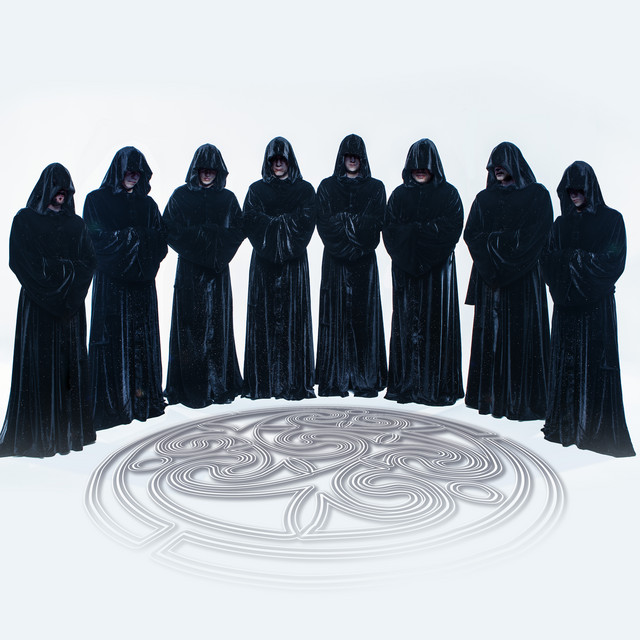
Before a single word is sung, "Cold November Nights" gives the listener about ten seconds of bare instrumental bed, a pulse of music that sets the room before anyone speaks. Then the voice arrives with an instruction: you can turn your eyes away from the winter. It is a small, almost conversational opening, and it tells you what kind of track this is. "Cold November Nights" is the official audio release from Gregorian's album WinterChants, posted to the channel on October 23, 2026, and running three minutes and thirty-one seconds. Across that span it works less like a story and more like a vigil: one line of comfort, sung and resung, that asks the listener to hold on through the dark part of the year and to stop looking backward at a past that cannot be changed. The craft lives almost entirely in repetition, and understanding how that repetition moves is the best way into the song.
The first lines establish both the season and the emotional posture. The listener is told to turn their eyes away from winter and to turn their face away from the past. The song does not pretend the cold is gone. It acknowledges a dark sky, a cloud sitting over everything, and then offers a turn in the lyric: the cold can't freeze your heart. That is a useful move for a winter song to make. It names the conditions honestly and then locates the one thing the weather cannot reach.
The track's automated transcript shows the vocal entering and leaving the texture repeatedly, with long sung phrases interrupted by instrumental passages. That alternation matters. Each time the voice drops out, the listener is left with the bed alone, and each time it returns, it returns to the same few words. The arrangement behaves like a chant in the literal sense: a short text, delivered in cycles, where the meaning accumulates through recurrence rather than through plot.
The central line is "These cold November nights are fading into light." Its power comes from the way it is paired. It is immediately followed by an address, "And I want you to be here," then the reassurance that carries the whole song:
"You're not alone. You're not alone." Gregorian, "Cold November Nights" (official audio, WinterChants, 2026)
Then the second person gives way to a first-person promise: "And you know that I am here." The pronouns are doing quiet work. The song moves from the listener's own struggle, to a plea for presence, to a speaker who claims to be standing alongside them. A listener who arrives expecting a seasonal mood piece finds instead a short relational drama played out over four lines, repeated until the relationship feels established.
There is a practical lesson in this for anyone who writes or sings devotional or contemplative music. Repetition is not padding when the phrase changes its job each time it returns. The first time, "fading into light" is a forecast. By the third or fourth pass, it becomes a stance the listener has been invited to adopt. The text stays the same; the listener's relationship to it does not.
The imagery is simple and deliberate. Dark clouds, cold nights, and a sky that the listener is encouraged to look up into all sit on one side of the ledger. Light sits on the other, and the lyric frames the light as a destination rather than a present condition: "here is where our future lies." That phrasing separates the song from a pure winter lament. The cold is real, but the lyric points past it.
Light as a symbol also resists easy sentimentality because the song insists the listener take part. The transcript includes the line "the night you could become" followed by a fragment about becoming a particular kind of person. The line is cut off in the transcript, so its exact wording cannot be confirmed here, but its grammatical shape makes the point: the dark season is treated as a threshold where the listener can change, not just endure. In a winter-themed album, that is a meaningful distinction. It turns the season from a hardship into a place where a decision can be made.
Around the one-and-a-half-minute mark, the lyric makes its most pointed move: "I don't really want to know about your past," followed by a line stating the speaker does not want to live in that past. The song is not dismissing the listener's history out of indifference. It is drawing a boundary around what matters in the present. The transcript at one point reads "her past" and at another reads "your past," and the shift in pronoun is worth noticing on repeated listens. Whether it is a transcription artifact or a deliberate move from third person to second, the effect is the same: the song keeps pulling attention away from the backward glance and toward the immediate, shared present.
This is one of the more interesting ideas in the track for a listener who reads it contemplatively. Many songs about loneliness dwell on the wound. This one treats the wound as a given and asks what the listener can do next. The answer the lyric gives is companionship, which leads directly to the song's most open-hearted lines.
At about two and a half minutes, the track widens from the individual to the general. "Everybody really wants to have somebody to love," the transcript reads, and the line appears twice. This is the moment where the song states its premise outright. Up to this point, the reader of the lyric might assume the comfort is a private matter between singer and listener. Here the lyric universalizes the need. The cold is not a special condition of one person. Everybody wants the same thing in the dark months, and that common want is the reason the refrain keeps returning to "you're not alone."
Because the line is so plain, it is easy to skim past. Sung slowly and repeated, it becomes the emotional center of the piece. Winter songs often rely on atmosphere; this one relies on a sentence almost anyone could say, and gives it enough room to land.
The track closes where it began, returning to the refrain and letting "fading into light" be the last phrase the listener hears. The return is not a resolution in the dramatic sense. Nothing has been solved. The cold is still there. But the repetition has done its work: a listener who started the song hearing a forecast now hears a reassurance they have heard many times, and the cumulative effect is steadier than any single line could be.
For anyone who wants to listen more closely, the most useful practice is to hear the track twice: once for the words, and once for the spaces between them, where the instruments carry the mood alone. The second listen reveals how much of the song's meaning sits in the silences the voice leaves behind.
A note on sources: the lyrics quoted here come from the track's automated transcript and may differ slightly from a printed lyric sheet. Where the transcript is fragmentary, this piece avoids reconstructing the missing words. The analysis rests on what is clearly sung and on the track's own title and album context.
Start with the full official audio of "Cold November Nights" from WinterChants, then listen to the rest of the album in sequence to hear how this refrain sits among the other tracks. Read the lyric alongside the transcript timestamps to notice where the voice drops out and where it returns. If you are looking for winter music that works as quiet companionship rather than mood decoration, this track is a good place to begin, and the single line "you're not alone" may be enough to carry you through a long November evening.


