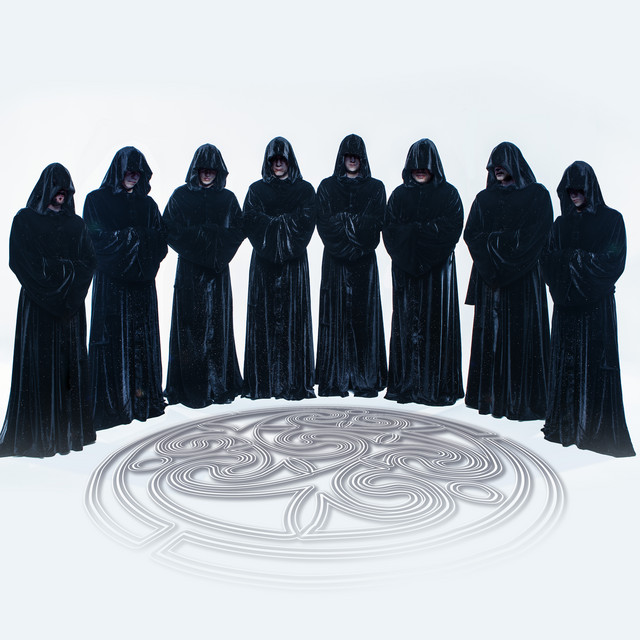
Five seconds in, there is nothing but a bed of instrumental sound, and then a voice enters that does not sound like a pop singer or a choir in a cathedral so much as a single human line laid over the top of a sustained, patient bed of sound. That is the first thing to understand about "Stay," the official audio track from the album Epic Chants: it takes the sound world of chant and points it at a set of images that would sit more comfortably on a late-night radio dial than in a monastery. The result is a five-minute piece about restlessness, distance, and the wish to be reached, delivered with a steadiness that makes the modern details feel older than they are.
The track opens on a held instrumental texture, and the voice comes in at around the twelve-second mark. Within the first half-minute the listener is handed a small, specific scene: a figure stopping at a convenience store at night for cigarettes they do not smoke, someone who seems to be dressed for a night that went wrong. The writing is blunt and visual. It does not explain the character. It sets the scene and lets the listener infer the rest, which is a technique that works especially well when the delivery is as unhurried as this.
Pay attention to the pacing. Chant, in the sense the Epic Chants project draws on, is built on long, unbroken lines of sound that do not rush to resolve. Here the vocal phrases are allowed to hang and to arrive late, so that a word like "stop" or "trust" lands with more weight than it would in a standard verse-chorus rhythm. A listener who expects the quick hook of a radio single will find the track asks for a different kind of attention: slower, more repetitive, more like sitting in a room with someone than being sold something.
The lyric's imagery is the reason the pairing is interesting. The song moves through static on the radio, satellites, television signals, a world in which "you can go anywhere" and still feel alone. Those are not the images traditionally associated with sacred vocal music. Their presence is the point. Chant, at its root, is a form built around a single voice or a small group sustaining a line, and that austerity makes contemporary anxieties sound less like background noise and more like something a listener has to sit still and hear out.
There is also a stark quietness in the back half of the piece that deserves to be heard in full. Around the two-hundred-second mark the lyric narrows to a time of day, three in the morning, when the street is empty and nothing moves except the sound of a fall. The music thins, the picture becomes almost cinematic, and the closing lines about an angel reaching the ground are delivered without ornament. For a listener who has been carried through the verses, the effect is a sudden clearing: the restlessness of the opening gives way to a single, unmistakable image of impact.
The refrain is the emotional spine of "Stay." Its core request, to stop and to give back trust, returns at roughly the 130-second mark and again around 229 and 232 seconds, each time with the same measured delivery. Repetition in chant is not a shortcut. It is how the form makes a line accumulate meaning, so that by the third or fourth pass the words have been worn into the listener's attention rather than merely heard once.
A second phrase, the wish to give someone love if the singer could, returns in the same way around the 204-second point and again near the close. The two refrains work as a pair. One asks the listener, or the person being addressed, to stop and give something back. The other admits the singer's own limits: the wish is conditional, and the "if" carries as much weight as the promise. That tension, between asking and being unable to fully give, is what keeps the repetitions from feeling mechanical.
The material available for this piece is limited, and it is worth being plain about that. The video is labeled as official audio for "Stay" from Epic Chants. Its description says footage is licensed from Nemo Studios and credits the Gregorian channel. At the time of the material's publication date, the video had 5,554 views and runs five minutes and eight seconds. The description offers a short line of encouragement, "Enjoy the beauty!", and nothing about how the track was arranged, who wrote the words, or how the vocal was recorded. There is no interview, no liner-note commentary, and no account of the sessions in the material provided.
That absence matters for anyone who wants to go deeper. The listening experience stands on its own, but the questions a curious listener will ask about lineage, authorship, and studio decisions are not answered by this video. Treat what you hear here as the full statement the track makes, and treat any larger story as something to be confirmed from other sources rather than assumed.
Listen to "Stay" twice. The first time, let the restless opening scene and the convenience-store images set the mood. The second time, follow the refrains and notice where the voice holds a phrase longer than expected, and where the music thins toward the three-in-the-morning close. Then listen to the rest of Epic Chants in the order the album presents it, to hear how this track sits among its neighbors. The pairing of sacred-sounding vocal lines with modern, lonely imagery is the thread worth following, whatever else you learn about the record.


