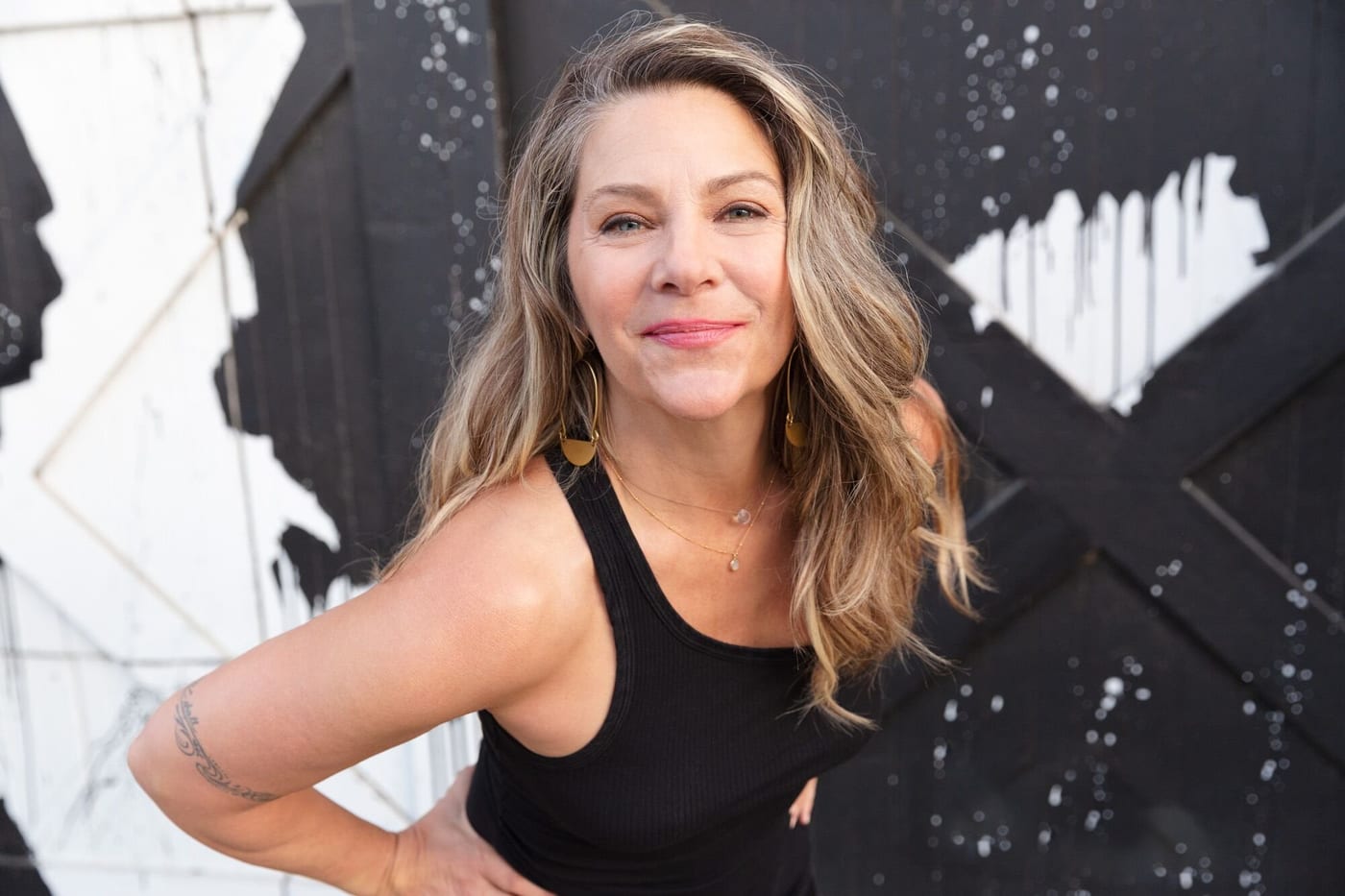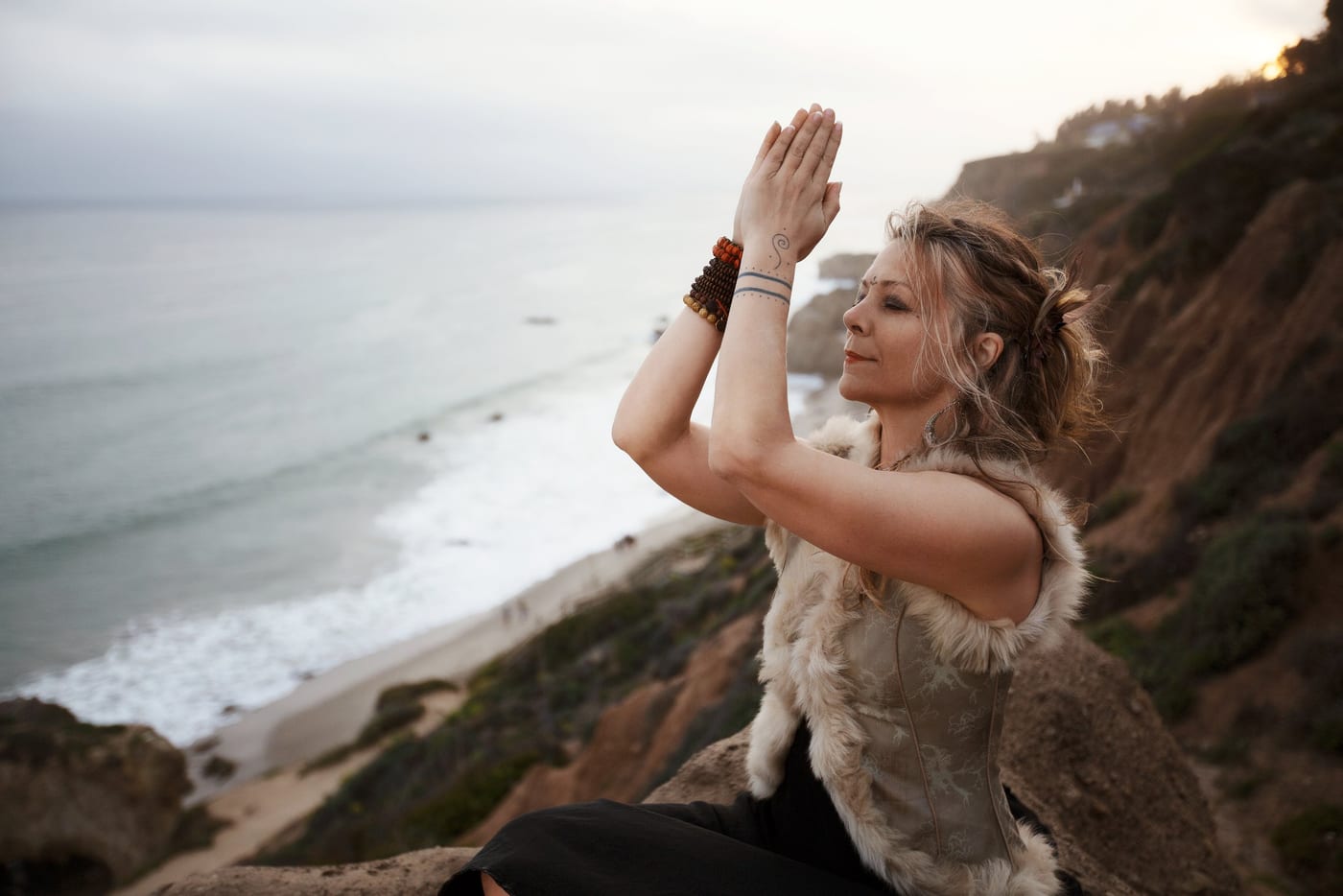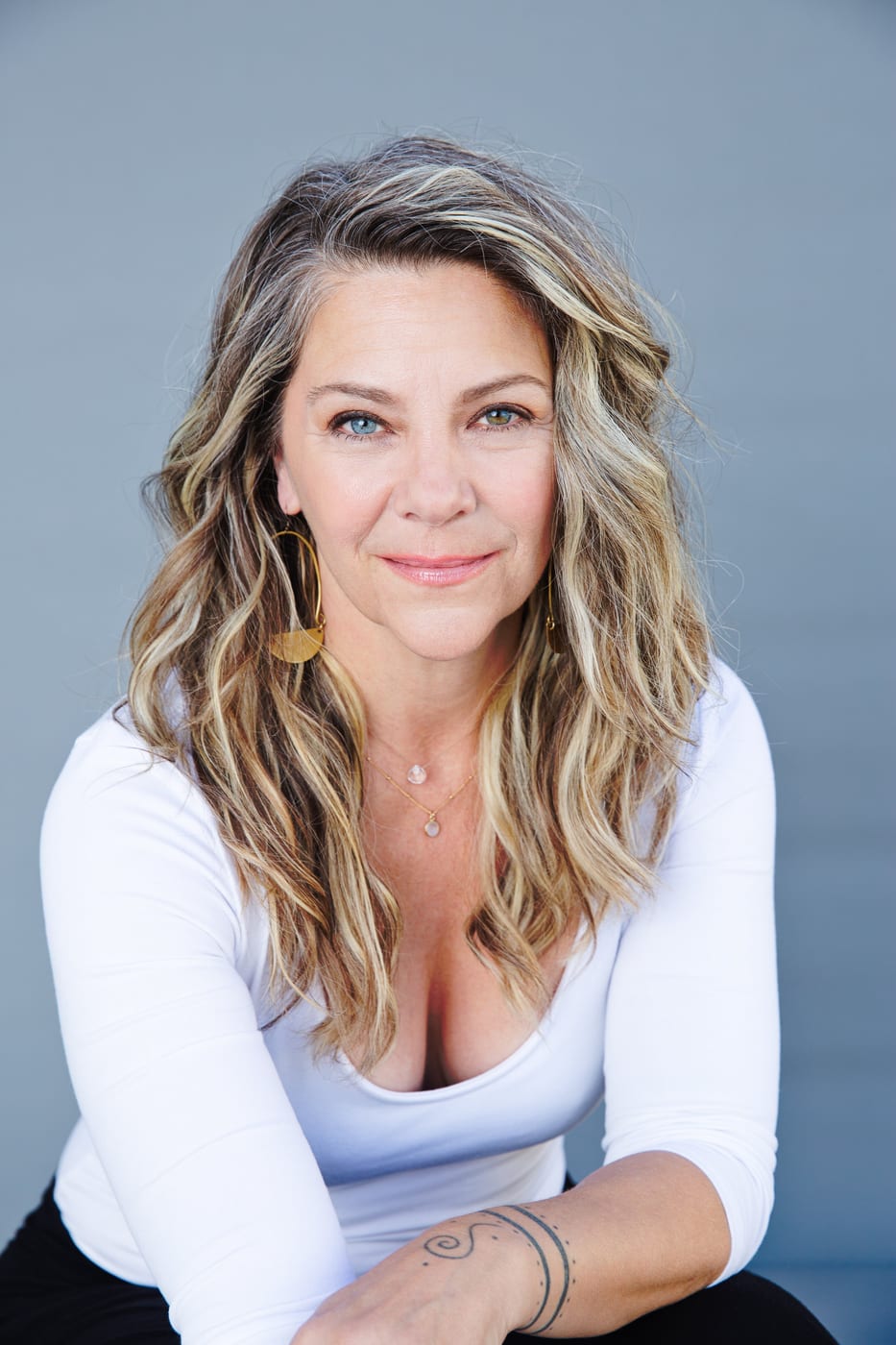

"Soul on Fire" arrived on 16 February 2023 as a single, one track released as a standalone piece rather than as part of a full-length record. That framing matters. Suzanne Sterling has spent more than 25 years performing and teaching transformational workshops, and she is also a ritual leader, activist and the founder of Voice of Change. Her catalogue spans kirtan, ambient practice music, dub-inflected mantra and earth-based ritual compilations. A single from 2023 sits between the 2018 kirtan collection and the 2026 run of singles (Hole in the Stone, Open All the Doors and Songspell), which her own sources describe as showing a more song-forward side of her writing.
Approach it, then, as a concentrated statement rather than a sprawling album. One track, one idea, one chance to stay inside it.
The facts available about this release are limited: it is a single, it has one track, and it carries no label credit. No collaborator or instrument list is documented, so this guide won't invent one. What can be said comes from how Sterling's work generally sounds. Her music is built around the human voice, mantra and rhythm rather than dense orchestration. Her singing voice is the central instrument, and production tends to support breath and chant rather than compete with them.
Expect pacing that favors repetition: a phrase returns, a melody settles, and the listener is invited to remain with it instead of waiting for a climax. Her catalogue ranges from the spare, ambient end (Chakra Flow, The Yoga Sessions: Hang With Angels) to the dub-influenced Dub Mantra Sangha. Where "Soul on Fire" falls along that range is best decided by your own ears, and previewing it on Spotify is the sensible first step.
The mood, judging by the title and her stated aims, is warm and devotional, oriented toward the sacred song she believes lives inside each person. One description quoted in her bio calls her "a musical priestess" who weaves lyric, melody and rhythm to draw a room toward that inner song.
There is only one: "Soul on Fire." The release is a single with a single track, so the listening guide and the track guide are the same thing.
What makes a lone track land in this tradition is the same thing that makes a chant land: sustained attention. With no sequence to follow and no second piece to relieve the first, the song asks for a full commitment of presence. Listen for how the voice is placed, how a phrase returns, and whether the arrangement leaves room for your own breath. Track-by-track descriptions aren't part of the documented record, so treat these as listening prompts rather than claims about the recording.
Sterling's work sits primarily within bhakti, the Indian devotional path in which song and repeated sacred names become a direct route to the divine. Kirtan, her signature format, is its most visible expression, and her catalogue makes the link explicit with Kirtan: The Bhakti Yoga of Chanting Mantras (2018) and Japa 2024 Remaster. Alongside it runs an earth-based strand, from more than 25 years with the International Reclaiming Community, reflected in Sacred Well: Ritual Music from Reclaiming and Wyrd Vibrations: Future Sounds of Paganism from Reclaiming Tradition.
Her lineage is better read as a set of practices than a single guru line, and no specific lineage teachers are named in the record. "Soul on Fire" belongs to that blended field: devotional song shaped by a ritual leader's sense of what music is for.
This single will resonate most with listeners who want devotional music tied to a living practice: people who sing in kirtan circles, attend yoga retreats, or work with voice and ritual. It suits someone at a threshold, whether a creative restart, a period of grief or renewal, or a need to reconnect with their own voice, which is the core of Sterling's teaching.
It is less likely to satisfy listeners who want high-BPM electronic music, polished pop hooks or a concert arc with clear peaks. Those skeptical of devotional or ritual framing will find the spiritual language central rather than decorative. Her work spreads mainly through live rooms, retreats and community networks, and it is best understood in that context.
Give it an evening, a quiet room and headphones. Play it once while simply listening, without multitasking. Play it a second time and sing, hum or breathe along, because participation is the heart of her approach, and you needn't consider yourself a singer to join in. If you keep a ritual or meditation practice, use the track as an opening or closing: its length as a single makes it a natural bookend.
When it ends, sit for a minute before moving on. Then, if the track draws you in, follow it toward the live room. Her official site, suzannesterling.com, is the most reliable place to find current dates, including the Sivananda Ashram Yoga Retreat in Paradise Island, Bahamas, scheduled for 1 March 2027.