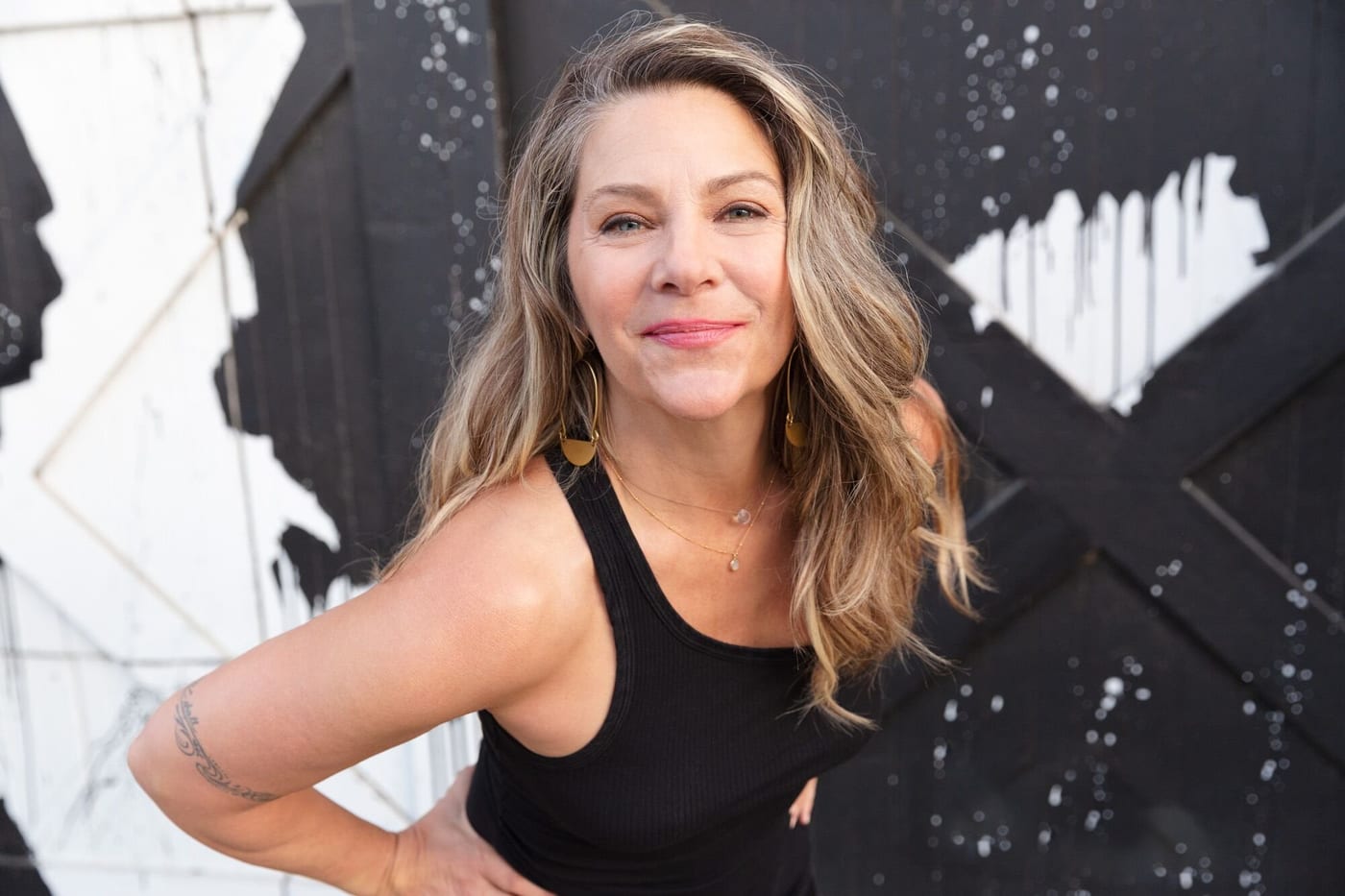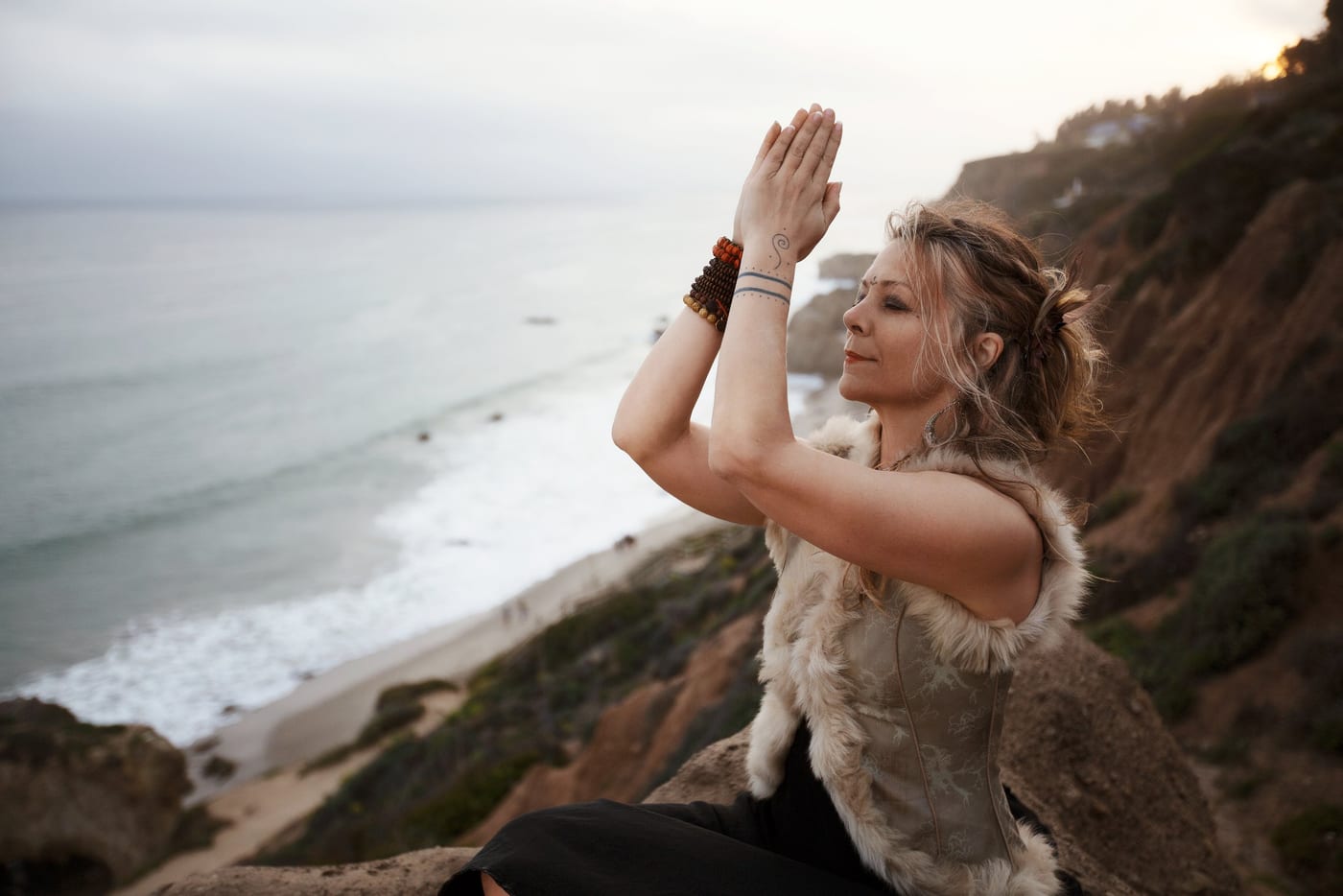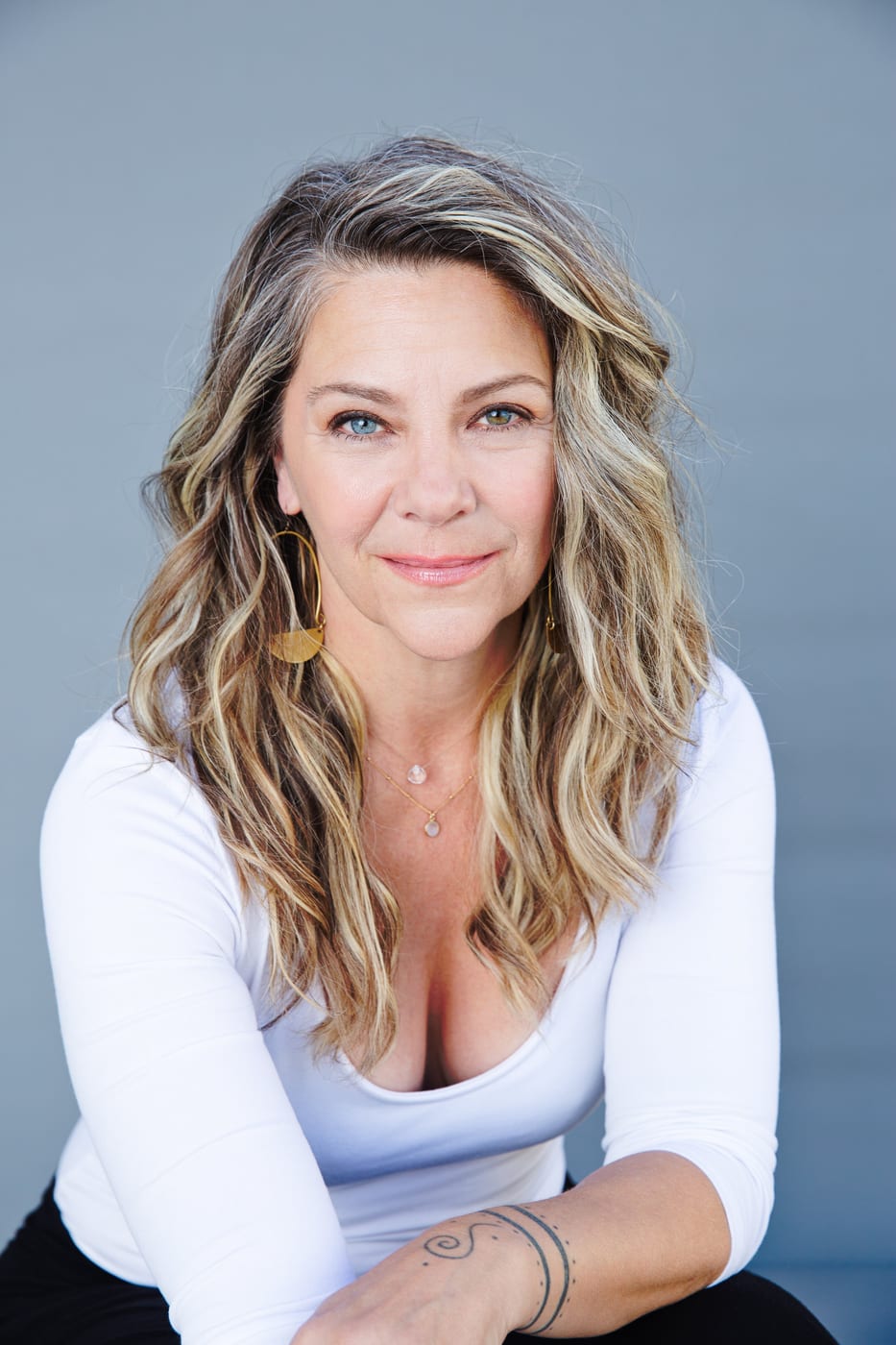

Songspell arrived on March 25, 2026, as a single, one track long. It is the third of three 2026 singles, following Hole in the Stone in January and Open All the Doors in February. Taken together, the three releases show a monthly rhythm and what her own sources describe as a current, more song-forward approach to writing.
That context matters. Suzanne Sterling has spent more than 25 years as a singer, ritual leader, and teacher, and her catalogue is built largely on chant, kirtan, mantra repetition, and community ritual. Five solo albums sit alongside compilations, remasters, and many guest appearances. Songspell is a different kind of entry point: a single piece of music, released on its own, from an artist whose reputation rests on practice and live rooms more than on polished studio statements.
One caution before going further: the available record does not include track-by-track descriptions, credits, or a list of collaborators for this release. What follows is a guide to how to approach it, informed by what is known about her work, not a claim about specific production choices.
Her sound, across the catalogue, is built around the human voice, mantra, and rhythm rather than dense orchestration. Pacing tends toward repetition: a phrase returns, a melody settles, and the listener is invited to stay with it rather than wait for a climax. The singing voice is the central instrument, and production exists to support breath and chant rather than compete with them.
Her catalogue ranges widely, from the dub-influenced echo and space of Dub Mantra Sangha to the more ambient Chakra Flow and The Yoga Sessions: Hang With Angels. Where Songspell falls within that range is best judged by listening, and the single's title offers a reasonable hint. "Song" and "spell" both point toward voice as a tool for intention, which echoes her stated belief that "Your voice is the strongest tool you have."
Expect spareness and slow movement rather than fast tempos or layered electronic arrangements. If you come to this wanting a pop hook or a club pulse, you are in the wrong room.
Songspell is a single, so there is one track to name, and it is the title itself. What makes it worth a listen is where it lands in her timeline. It closes a three-single run of 2026 releases, so it is the natural place to hear how that recent writing resolves. Hearing it alongside Hole in the Stone and Open All the Doors gives you the fuller picture. Those two are shorter pieces that her materials suggest can work as openings or closings in a practice, which makes the trio a useful sequence for a listening session.
I won't describe lyrics, instrumentation, or arrangement beyond that, because none of that is documented in the sources available.
Her work sits primarily within bhakti, the Indian devotional path in which song and repeated sacred names become a direct route to the divine. Kirtan: The Bhakti Yoga of Chanting Mantras (2018) frames kirtan as bhakti yoga, and Japa 2024 Remaster points to the quiet repetition of a mantra. Alongside that runs a second strand: more than 25 years with the International Reclaiming Community, co-creating public ritual and training teachers in earth-based spirituality.
Her lineage is better read as a set of practices than a single guru line, and no formal teacher succession is named in the record. Songspell, a song-forward single, fits comfortably in the wider devotional field while leaning toward songwriting rather than group call-and-response chant. Whether it draws more on the bhakti strand or the earth-based one is something your ears will have to decide.
This single will resonate most with listeners who already value voice-centered, spiritually oriented music and want to hear her current writing without committing to a twenty-track chant album. It suits someone in a reflective or transitional moment: opening a practice, closing a day, or marking a threshold. It also suits people who have encountered her in a workshop, kirtan, or retreat and want a recorded companion.
It is less suited to those who want a purely recorded, high-energy listening experience, or who are skeptical of devotional and ritual framing. Her spiritual language is central, not decorative.
Listen alone, in the evening, with headphones, and give the single your full attention once before using it as background. Then try it as a ritual bookend: play it at the start or end of a quiet practice, a few minutes of breath work, or a candle-lit pause. Because the piece is short, repeating it two or three times suits her music's spirit of return and settling.
If it draws you in, the natural next steps are the two earlier 2026 singles, then Kirtan: The Bhakti Yoga of Chanting Mantras (2018) for the core of her practice. Ultimately, her work is designed for participation, so a live kirtan or workshop is where it comes fully alive. Her official site, suzannesterling.com, is the place to check for dates.