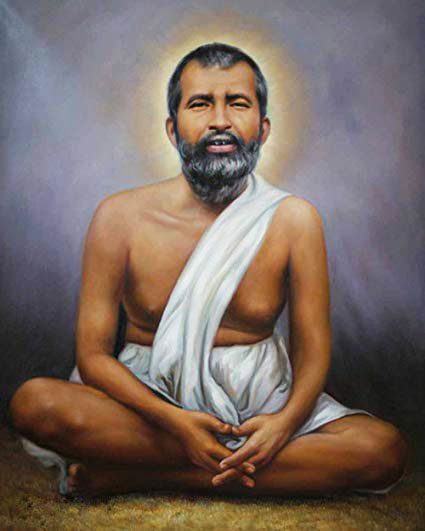
In the words of Sri Ramakrishna, "When the lamp is lit, the moths come of themselves." This evocative statement speaks to the intrinsic pull of enlightenment and truth, suggesting that when one embodies a certain light or authenticity, those seeking it will naturally gravitate toward that presence. The stakes of this teaching are profound; it invites us to consider how our own inner illumination can attract others, fostering connections that are both meaningful and transformative.
Moreover, this quote encapsulates a fundamental aspect of being—our existence is not isolated but interconnected. The imagery of the lamp and the moths serves as a reminder that our spiritual journey is not merely a solitary endeavor; rather, it is a communal experience where the light we cultivate can serve as a beacon for others. This notion of being is deeply rooted in the understanding that our essence resonates with the universe, drawing in those who are also on a quest for truth and understanding.
The image / the metaphor
At its core, the imagery of a lamp and moths evokes a sense of warmth and attraction. The lamp symbolizes enlightenment, wisdom, and the divine spark within each of us, while the moths represent those souls who are drawn to this light, often without fully understanding why. The verbs "is lit" and "come" suggest a natural, almost instinctual response to illumination, highlighting the effortless way in which truth can attract seekers. This dynamic interplay between light and shadow, attraction and pursuit, is a powerful metaphor for the spiritual journey.
Diving deeper into the metaphor, we can see that the act of lighting a lamp is not merely about illumination; it is about the intention behind that light. In the spiritual context, it signifies the cultivation of virtues such as love, compassion, and authenticity. When we embody these qualities, we become a source of inspiration for others, much like a lamp in the darkness. The moths, in their pursuit of light, remind us of the innate human desire for connection and understanding, suggesting that our spiritual growth can catalyze the growth of others.
In the speaker's tradition
Sri Ramakrishna's teachings are deeply rooted in the Hindu tradition, where concepts such as dharma, bhakti, and prajna play a crucial role in understanding the nature of existence. Dharma, or righteous living, aligns with the idea that when we live authentically and in accordance with our true nature, we naturally attract those who resonate with our light. This connection is not merely transactional; it is a manifestation of the divine interplay of energies that bind us all together in the cosmic tapestry of life.
Furthermore, the notion of kenosis, or self-emptying, resonates with this quote as well. By allowing ourselves to be filled with the light of wisdom and love, we create space for others to come into our lives. In the Bhagavad Gita, Krishna speaks of the importance of selfless action and devotion, reinforcing the idea that when we act from a place of authenticity and love, we become a guiding light for others on their spiritual paths.
Living the teaching
Consider a modern scenario where this teaching might resonate: a community gathering focused on personal growth and spiritual exploration. When one individual shares their authentic experiences and insights, it can create a ripple effect, encouraging others to open up and share their own journeys. This dynamic illustrates how the light of one person's truth can illuminate the paths of many, fostering a sense of belonging and mutual support within the group.
In a different context, think about a challenging moment in a relationship where misunderstandings have created distance. By embodying the qualities of compassion and vulnerability, one partner can serve as the lamp, inviting the other to come closer and engage in honest dialogue. This act of being present and authentic can transform the relationship, allowing both individuals to reconnect and grow together, demonstrating the profound impact of living in alignment with one's inner light.
A reflection
As we contemplate the wisdom of Sri Ramakrishna's words, we might ask ourselves: What light am I cultivating within me, and how does it attract others into my life? This question invites us to reflect on our own spiritual journeys and the ways in which we can embody authenticity and love, ultimately serving as a beacon for those around us. In this interconnected web of existence, our light has the power to illuminate not only our own path but also the paths of countless others.