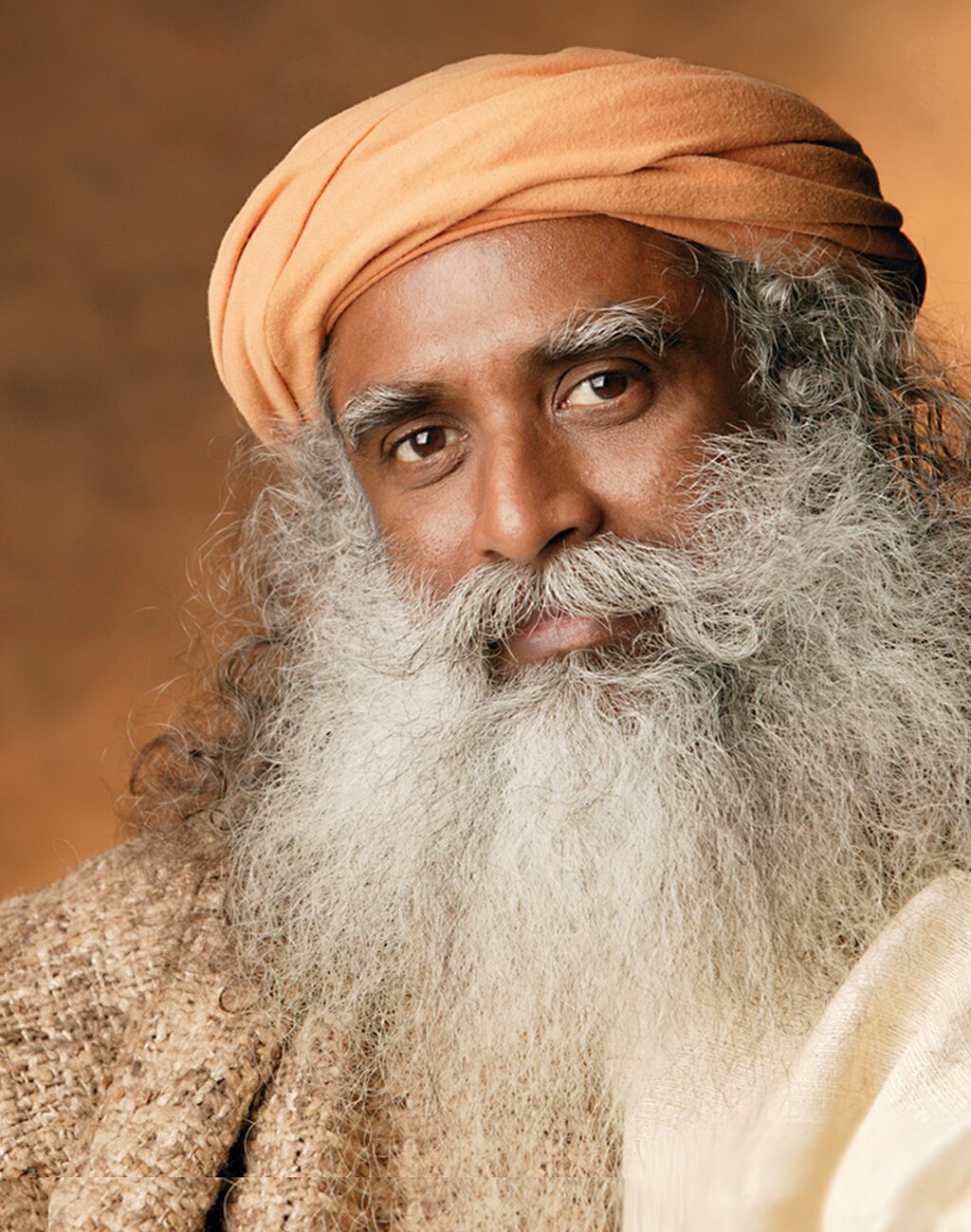
Sadhguru's assertion, "You don't need to be loved by everyone. You just need to love," invites us to reconsider the nature of love and acceptance. In a world often preoccupied with external validation, this wisdom encourages us to turn inward, emphasizing the importance of loving without the expectation of reciprocation. The stakes are high; our emotional well-being hinges on our ability to cultivate love from within rather than seeking it from others. This shift in perspective can lead to profound personal transformation and a deeper connection with ourselves and the world around us.
At its core, this quote challenges the conventional belief that love is a commodity to be exchanged. Instead, Sadhguru suggests that love is an intrinsic quality that we can embody and express freely. This understanding liberates us from the shackles of societal approval and allows us to engage with life more authentically. By focusing on the act of loving rather than the desire to be loved, we can foster a sense of inner peace and fulfillment that transcends the fleeting nature of external relationships.
The image / the metaphor
The imagery in Sadhguru's quote is strikingly simple yet deeply profound. The phrase "you don't need to be loved by everyone" evokes a sense of liberation, as if shedding the burdens of societal expectations. The verb "love" stands alone, highlighting its intrinsic nature as an action that does not require validation or reciprocation. This simplicity invites us to explore the essence of love as a state of being rather than a transactional exchange, urging us to embrace love as a fundamental aspect of our humanity.
Diving deeper into the metaphor, we can see that love, in this context, is akin to a wellspring that flows from within. It is not contingent upon external circumstances or the approval of others; rather, it is a source of energy that nourishes both the giver and the receiver. By recognizing love as an internal resource, we can cultivate a sense of abundance that enriches our lives and the lives of those around us. This perspective transforms love from a pursuit into a practice, encouraging us to engage with the world from a place of generosity and openness.
In the speaker's tradition
Sadhguru's teachings are deeply rooted in the tradition of yoga, which emphasizes the interconnectedness of all beings and the importance of inner transformation. Concepts such as dharma, or one's duty, and bhakti, the path of devotion, resonate with the essence of his message. In this context, love becomes a form of dharma, a natural expression of our being that aligns with our highest purpose. By embracing love as a guiding principle, we can navigate the complexities of life with grace and compassion.
Moreover, the idea of kenosis, or self-emptying, parallels Sadhguru's assertion. By letting go of the need for external validation, we create space for authentic love to flourish. This notion is echoed in various spiritual texts, including the Bhagavad Gita, where the emphasis on selfless action and devotion serves as a pathway to liberation. In this light, Sadhguru's quote becomes a call to embody love as a spiritual practice, one that transcends the ego and connects us to the greater whole.
Living the teaching
Consider a modern scenario where this teaching can be applied: a workplace environment filled with competition and the desire for recognition. In such a setting, individuals often find themselves striving for approval, leading to stress and dissatisfaction. By embracing Sadhguru's wisdom, one can shift their focus from seeking validation to offering genuine support and kindness to colleagues. This shift not only enhances personal well-being but also fosters a more collaborative and harmonious workplace culture, illustrating the transformative power of love in action.
In the realm of personal relationships, the application of this teaching can be equally profound. Imagine a situation where one partner feels unappreciated or unloved. Instead of seeking affirmation, they can choose to express love freely, regardless of the response. This act of giving love without expectation can create a ripple effect, encouraging the other partner to reciprocate in their own way. By embodying this principle, relationships can deepen, moving beyond transactional exchanges to a more profound connection rooted in unconditional love.
A reflection
As we contemplate Sadhguru's quote, we are invited to reflect on our own relationship with love. Are we often seeking validation from others, or do we allow ourselves to love freely and fully? In what ways can we cultivate a deeper sense of love within ourselves, independent of external circumstances? This contemplation can serve as a powerful reminder that the essence of love lies not in its reception but in its expression, urging us to embrace the transformative journey of loving without conditions.