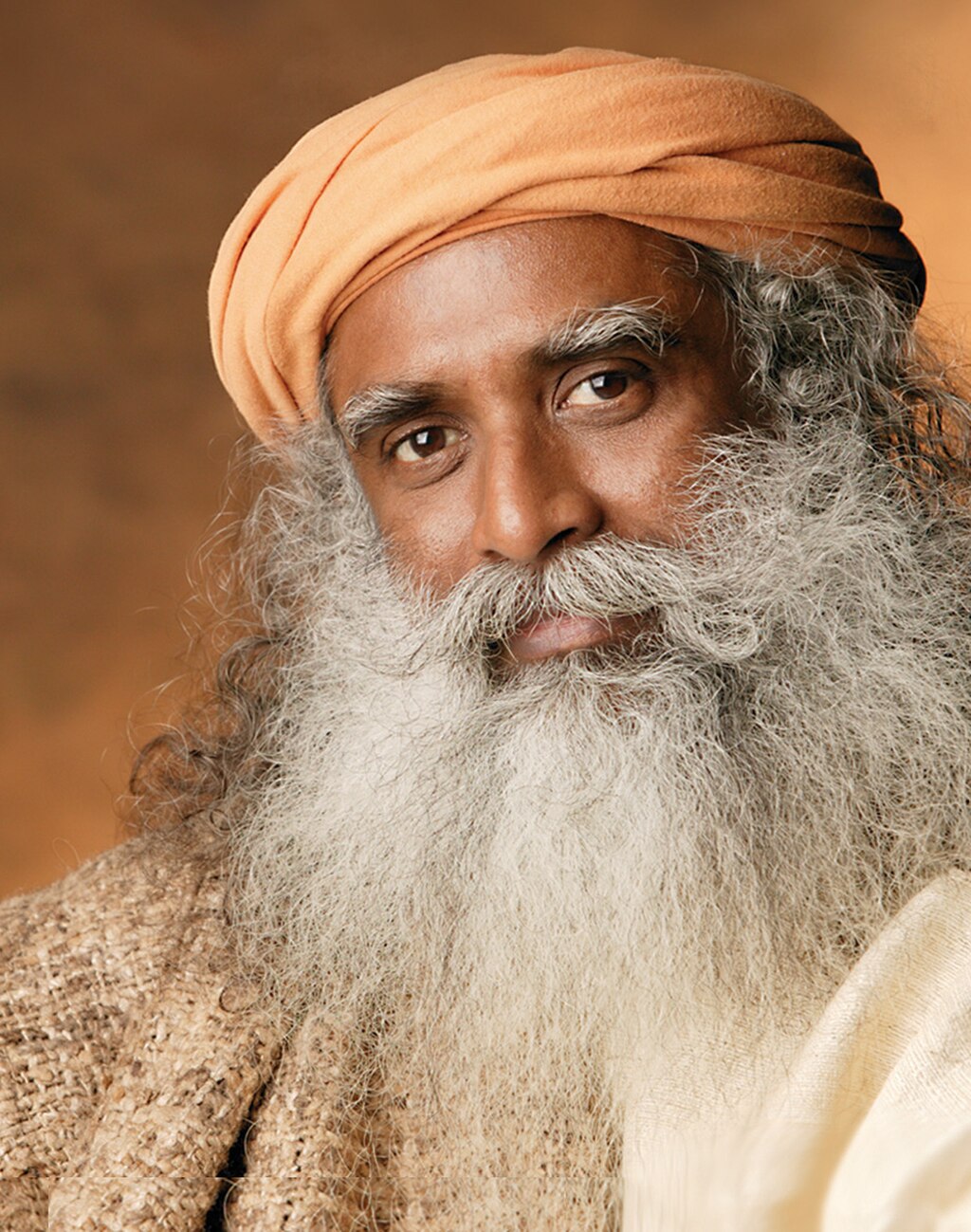
Sadhguru's assertion that "mysticism is not in escaping life — it is in being thoroughly involved" invites us to reconsider our relationship with the world around us. In a culture often enamored with detachment and transcendence, this perspective challenges us to engage deeply with our experiences, emotions, and the very fabric of existence. The stakes are high; to truly live is to embrace the full spectrum of life, including its challenges and joys, rather than retreating into a realm of abstraction or avoidance.
This call to engagement resonates profoundly in a time when many seek solace in distractions or superficial understandings of spirituality. Sadhguru's words remind us that genuine mysticism is not a flight from reality but a profound immersion in it. By being "thoroughly involved," we cultivate a deeper awareness and connection to ourselves and the world, transforming ordinary moments into opportunities for spiritual growth and insight.
The image / the metaphor
The imagery in Sadhguru's quote evokes a sense of active participation rather than passive observation. The verbs "escaping" and "involved" create a stark contrast between two approaches to life: one that seeks to flee from the complexities of existence and another that embraces them wholeheartedly. This notion of involvement suggests a dynamic relationship with life, where each moment is an invitation to engage, learn, and evolve.
Diving deeper into this metaphor, we can envision mysticism as a dance with life rather than a solitary retreat. To be "thoroughly involved" implies a surrender to the rhythm of existence, where we allow ourselves to be swept up in the beauty and chaos of our experiences. This dance requires vulnerability and courage, as it asks us to confront our fears, joys, and the myriad emotions that color our lives. In this way, mysticism becomes a lived experience, rich with meaning and connection.
In the speaker's tradition
Within the tradition of yoga, Sadhguru's perspective aligns closely with concepts such as dharma and bhakti. Dharma, or one's duty and purpose, emphasizes the importance of engaging with life in a way that is true to oneself and beneficial to others. Similarly, bhakti, or devotion, encourages a heartfelt connection to the divine through active participation in the world. Both concepts underscore that true spiritual fulfillment arises not from withdrawal but from a committed engagement with our responsibilities and relationships.
In the context of yogic texts, we can draw parallels to the Bhagavad Gita, where Arjuna is urged to fulfill his dharma as a warrior despite his reluctance. Krishna's guidance emphasizes that true wisdom and spiritual growth come from engaging with the challenges of life rather than escaping them. This ancient wisdom echoes Sadhguru's message, reinforcing the idea that our spiritual journey is intricately woven into the fabric of our everyday existence.
Living the teaching
Consider a modern scenario where this teaching can be applied: a busy professional feeling overwhelmed by work demands. Instead of retreating into stress or burnout, Sadhguru's message encourages this individual to engage fully with their responsibilities, viewing each task as an opportunity for growth and connection. By shifting their perspective, they can transform mundane activities into moments of mindfulness, fostering a deeper sense of purpose and fulfillment.
Another application of this teaching might arise in personal relationships. Imagine a couple facing a difficult conversation about their future. Instead of avoiding the topic or retreating into silence, Sadhguru's call to involvement invites them to engage openly and honestly. This willingness to confront discomfort can lead to deeper understanding and intimacy, illustrating how embracing life, with all its complexities, can enrich our connections with others.
A reflection
As we contemplate Sadhguru's profound insight, we might ask ourselves: "In what areas of my life am I seeking to escape rather than engage?" This question invites us to reflect on our own patterns of avoidance and to consider how we might embrace the fullness of our experiences. By recognizing the transformative power of involvement, we can begin to cultivate a more authentic and meaningful existence, allowing the dance of life to unfold in all its richness.