The Illusion of Separation: Embracing Unity in the Self
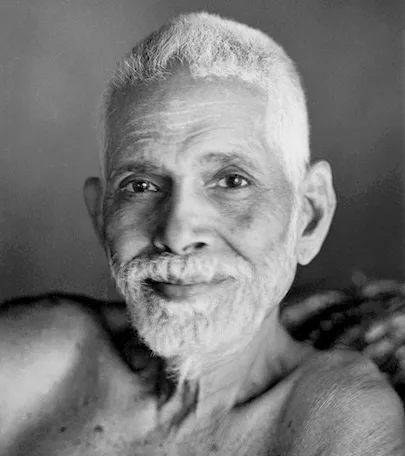
In the profound words of Ramana Maharshi, he invites us to contemplate the nature of perception and existence: "Where there is duality, one sees the other; one hears the other; one knows the other. But where there is no other to be seen, no other to be heard, no other to be known — there is the highest state." This quote speaks to the essence of our human experience, where the perception of separation creates a world of duality, yet the ultimate truth lies in the realization of unity. Understanding this distinction is crucial for spiritual seekers, as it reveals the path toward a deeper, more authentic existence.
As we delve into Maharshi's insight, we recognize that the dualistic perception of life—seeing ourselves as separate from others and the world—often leads to suffering and confusion. The "highest state" he refers to is not merely an abstract concept but a lived experience of oneness, where the boundaries of self dissolve. This realization can transform our understanding of relationships, our sense of self, and our connection to the universe, encouraging us to seek a deeper truth beyond the illusions of separation.
The image / the metaphor
At the heart of Maharshi's quote lies a vivid imagery of duality versus unity. The verbs "see," "hear," and "know" evoke our sensory experiences, which are inherently relational. In a world defined by duality, we engage with others, perceiving them as distinct entities. This relational dynamic shapes our understanding of existence, often leading to a fragmented view of reality. However, when we transcend this duality, we enter a realm where these distinctions fade, and the experience of being becomes a singular, unified consciousness.
Diving deeper into the metaphor, the absence of "the other" signifies a profound state of awareness where the self is not defined by external relationships or perceptions. It suggests a state of pure being, where the mind's incessant chatter quiets, allowing for a direct experience of existence. This metaphor invites us to explore the depths of our consciousness, urging us to recognize that the essence of who we are is not separate from the fabric of the universe but is intricately woven into it.
In the speaker's tradition
Ramana Maharshi's teachings are deeply rooted in the Advaita Vedanta tradition, which emphasizes non-duality and the interconnectedness of all existence. Concepts such as *dharma* (righteous duty) and *kenosis* (self-emptying) resonate with his insights, as they encourage the relinquishing of the ego and the embrace of a higher state of consciousness. In this context, the realization of unity is not merely philosophical but a practical guide for living in harmony with oneself and the world.
In the *Upanishads*, a foundational text of Hindu philosophy, we find echoes of Maharshi's wisdom. The phrase "Tat Tvam Asi," meaning "That Thou Art," encapsulates the essence of non-duality, affirming that the individual self (Atman) is fundamentally the same as the universal consciousness (Brahman). This profound realization aligns with Maharshi's assertion that the highest state transcends the perception of duality, inviting seekers to explore the depths of their own being and recognize their inherent connection to all that is.
Living the teaching
Consider a modern scenario where this teaching can be applied: a workplace conflict. In a situation where colleagues disagree, the perception of duality can lead to misunderstandings and resentment. However, if one approaches the conflict with the understanding that beneath the surface differences lies a shared humanity, the dynamic shifts. By recognizing the interconnectedness of all individuals involved, one can foster empathy and collaboration, transforming a potentially divisive situation into an opportunity for unity and growth.
Another application of Maharshi's teaching can be found in personal relationships. Imagine a moment of tension with a loved one, where each person feels misunderstood and isolated. By embracing the idea of non-duality, one can step back and recognize that the conflict arises from a limited perspective. This awareness allows for a deeper connection, as both individuals can acknowledge their shared experiences and emotions, ultimately leading to healing and reconciliation. In daily practice, cultivating mindfulness and compassion can help us embody this teaching, reminding us that we are all part of a greater whole.
A reflection
As we reflect on Ramana Maharshi's profound insight, we are invited to consider the nature of our own perceptions and relationships. How often do we find ourselves caught in the illusion of separation, seeing others as distinct from ourselves? In moments of duality, can we pause and ask ourselves: What would it mean to recognize the unity that underlies all existence? This contemplative question encourages us to explore the depths of our consciousness and embrace the transformative power of oneness.