The Transformative Journey: Embracing Life as a Vehicle
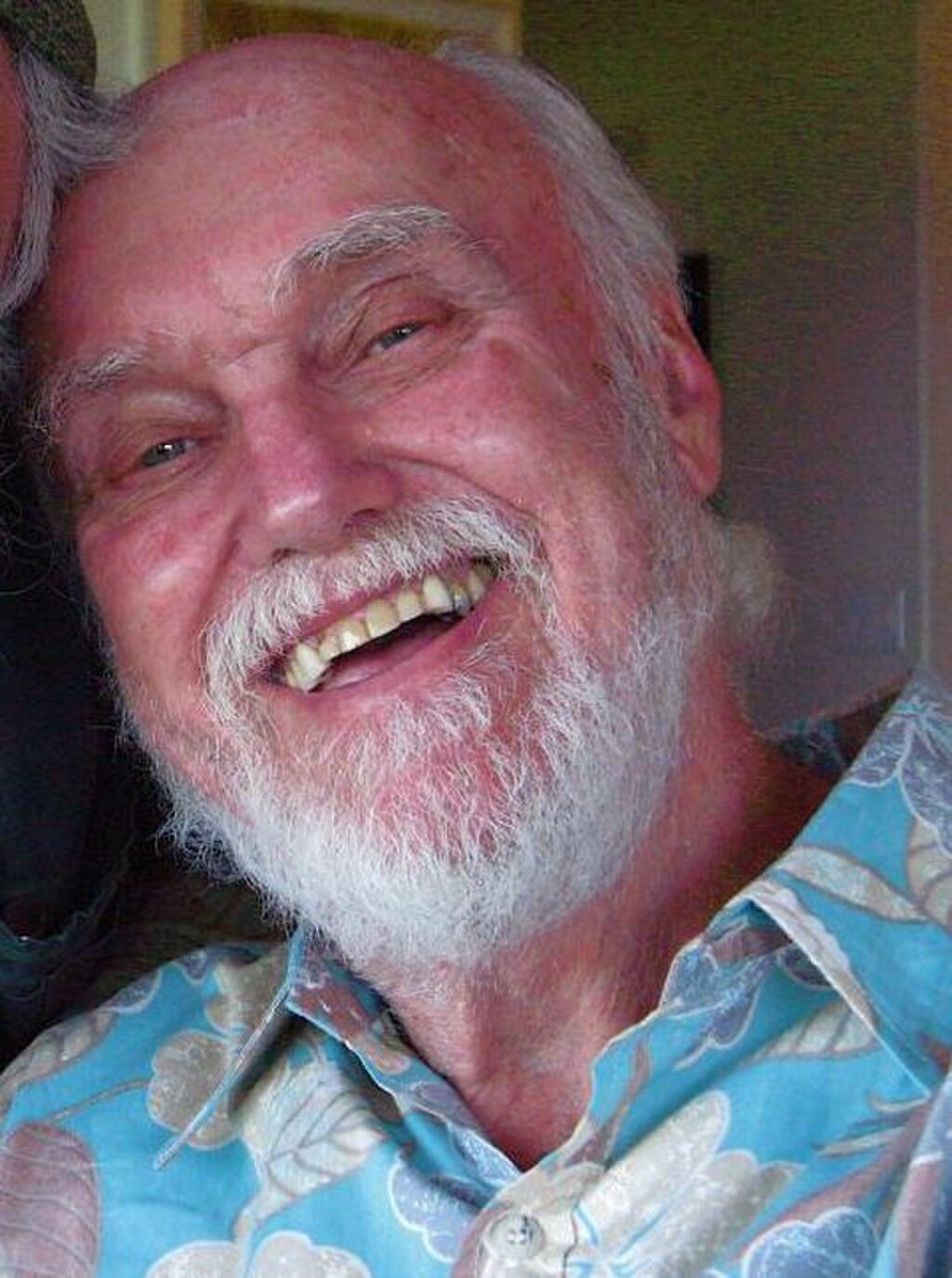
Ram Dass's assertion that "Everything in your life is there as a vehicle for your transformation" invites us to reconsider the very fabric of our existence. This profound statement suggests that every experience, relationship, and challenge we encounter serves a purpose in our spiritual evolution. By recognizing the transformative potential inherent in all aspects of our lives, we can cultivate a deeper understanding of ourselves and our place in the universe. This perspective not only enriches our personal journeys but also fosters a sense of interconnectedness with all beings.
To embrace this teaching fully, we must shift our perception from viewing life as a series of random events to seeing it as a carefully orchestrated journey of growth. Each moment, whether joyous or painful, is imbued with lessons that can guide us toward greater self-awareness and compassion. This transformative lens encourages us to approach our experiences with curiosity rather than resistance, allowing us to uncover the hidden gifts within our struggles and triumphs alike. In doing so, we align ourselves with a deeper purpose, one that transcends the mundane and connects us to the sacred.
The image / the metaphor
The imagery in Ram Dass's quote evokes a sense of movement and purpose. The term "vehicle" suggests a mode of transportation, a means by which we navigate the terrain of our lives. This metaphor implies that our experiences are not merely obstacles to overcome but rather essential components of our journey. The verb "is" emphasizes the inherent nature of these experiences, indicating that they are integral to our transformation rather than external forces to be managed or controlled. This perspective invites us to engage with our lives more fully, recognizing that every moment holds the potential for growth.
In the speaker's tradition
Ram Dass's teachings are deeply rooted in the Hindu tradition, which emphasizes the importance of dharma, or one's duty and path in life. The concept of transformation is central to many Hindu philosophies, where the journey of the soul is seen as one of continual evolution toward enlightenment. This aligns with the idea of kenosis, or self-emptying, which invites individuals to release their attachments and ego-driven desires in order to embrace a more authentic existence. In this context, every experience becomes a vehicle for the soul's journey toward self-realization and unity with the divine.
Moreover, the notion of sunyata, or emptiness, resonates with Ram Dass's perspective. In recognizing that everything in our lives serves a purpose, we can cultivate a sense of detachment from the outcomes of our experiences. This allows us to approach life with an open heart and mind, embracing the lessons that arise without clinging to specific results. Texts such as the Bhagavad Gita illustrate this principle beautifully, as they encourage individuals to perform their duties without attachment to the fruits of their actions, thereby facilitating a transformative journey toward spiritual awakening.
Living the teaching
Consider a modern scenario where this teaching might resonate: a person facing a significant career setback. Initially, this experience may feel like a failure, a disruption in the flow of life. However, if one were to embrace the idea that this setback is a vehicle for transformation, it could lead to a period of introspection and reevaluation. Perhaps this moment of pause allows the individual to explore new passions, develop resilience, or even pivot toward a more fulfilling path. By reframing the setback as an opportunity for growth, one can find meaning and purpose in what initially appeared to be a misfortune.
In the realm of relationships, this teaching can also be profoundly impactful. Imagine navigating a difficult conversation with a loved one, where misunderstandings and hurt feelings arise. Instead of viewing this conflict as a negative experience to be avoided, one might recognize it as a vehicle for deeper connection and understanding. By approaching the situation with openness and a willingness to learn, both individuals can emerge from the experience transformed, having gained insights into themselves and each other. This perspective fosters compassion and empathy, allowing relationships to flourish even amidst challenges.
A reflection
As we contemplate Ram Dass's assertion that "Everything in your life is there as a vehicle for your transformation," we are invited to reflect on our own experiences. What challenges or moments of discomfort have you encountered that may hold the potential for growth? In what ways can you shift your perspective to see these experiences as opportunities for transformation? By engaging with these questions, we can begin to uncover the profound wisdom embedded in our lives, allowing us to embrace our journeys with greater awareness and intention.