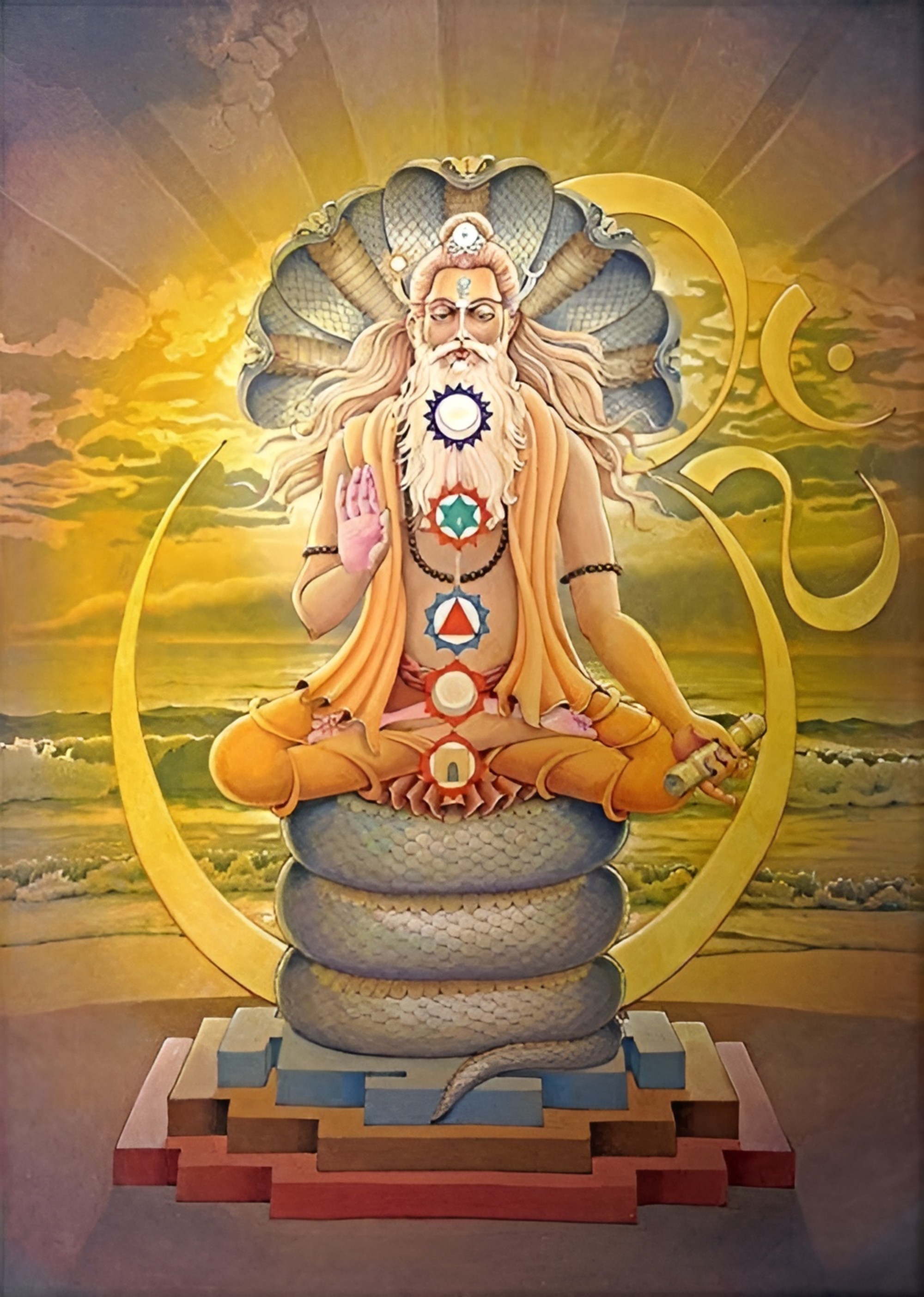
Illuminating the Inner Path: The Wisdom of Samyama
Patanjali's assertion that "by samyama on the inner light, knowledge of subtle, hidden, and distant things arises" invites us to explore the profound depths of awareness and insight that can be accessed through focused contemplation. This quote encapsulates the essence of samyama, a practice that combines concentration, meditation, and absorption, allowing practitioners to tap into a reservoir of knowledge that transcends ordinary perception. In a world often clouded by distraction, this teaching beckons us to cultivate a deeper understanding of ourselves and the universe around us.
At its core, this quote speaks to the transformative power of light—both as a metaphor for knowledge and as a literal illumination of the mind. The inner light represents clarity, wisdom, and the potential for profound insight into the nature of reality. By engaging in samyama, we are invited to turn our attention inward, to illuminate the hidden aspects of our existence, and to uncover truths that may have long eluded us. This journey is not merely an intellectual pursuit; it is a deeply spiritual endeavor that can lead to a more authentic and connected way of being.
The image / the metaphor
The imagery in Patanjali's quote evokes a sense of illumination and discovery. The term "inner light" suggests a source of wisdom that resides within each of us, waiting to be recognized and nurtured. The verbs "arises" and "knowledge" indicate a dynamic process, one that requires active engagement and intention. This is not a passive experience; rather, it is an invitation to delve into the depths of our consciousness, to shine a light on the obscured corners of our psyche, and to bring forth insights that can guide our lives.
Diving deeper into the metaphor, the concept of light serves as a powerful symbol of enlightenment and understanding. In many spiritual traditions, light is associated with truth, purity, and divine presence. By focusing on this inner light through samyama, we are not only seeking knowledge but also aligning ourselves with a higher state of consciousness. This alignment allows us to perceive the subtle connections between ourselves and the world, revealing the intricate tapestry of existence that often remains hidden from view.
In the speaker's tradition
Patanjali's teachings are rooted in the ancient tradition of yoga, which emphasizes the importance of self-realization and the pursuit of truth. The practice of samyama is closely linked to the concept of dharma, or one's rightful path, as it encourages individuals to seek knowledge that aligns with their true nature. This journey of self-discovery is akin to the Buddhist notion of sunyata, or emptiness, where one must let go of preconceived notions to access deeper truths. In this way, samyama becomes a bridge between the individual and the universal, allowing for a profound understanding of the interconnectedness of all things.
Moreover, the practice of samyama resonates with the idea of prajna, or wisdom, which is cultivated through direct experience and insight. In the Yoga Sutras, Patanjali outlines various stages of consciousness that lead to liberation, and samyama is a crucial step in this process. By honing our ability to focus on the inner light, we can transcend the limitations of ordinary perception and access a deeper, more expansive understanding of reality, much like the transformative experiences described in the writings of other spiritual luminaries.
Living the teaching
Consider a modern scenario where this teaching can be applied: a person grappling with a difficult decision in their career. In the midst of uncertainty, they may feel overwhelmed by external pressures and opinions. By practicing samyama on their inner light, they can create a space for introspection, allowing their true desires and values to surface. This focused contemplation can illuminate the path forward, guiding them toward a decision that resonates with their authentic self, rather than one dictated by societal expectations.
In the realm of relationships, the practice of samyama can also yield transformative insights. Imagine a couple facing a recurring conflict that seems insurmountable. By turning their attention inward and focusing on the inner light, they can cultivate empathy and understanding, illuminating the underlying fears and desires that drive their behavior. This deeper awareness fosters a sense of connection and compassion, enabling them to navigate their challenges with greater clarity and love. In both scenarios, the practice of samyama serves as a powerful tool for unlocking hidden knowledge and fostering deeper connections.
A reflection
As we contemplate Patanjali's profound words, we are invited to reflect on the nature of our own inner light. What hidden truths lie within us, waiting to be uncovered? In what areas of our lives do we feel the need for greater insight and understanding? By engaging with these questions, we can begin to cultivate a practice of samyama, allowing the light of knowledge to guide us on our journey toward self-realization and connection with the world around us.


