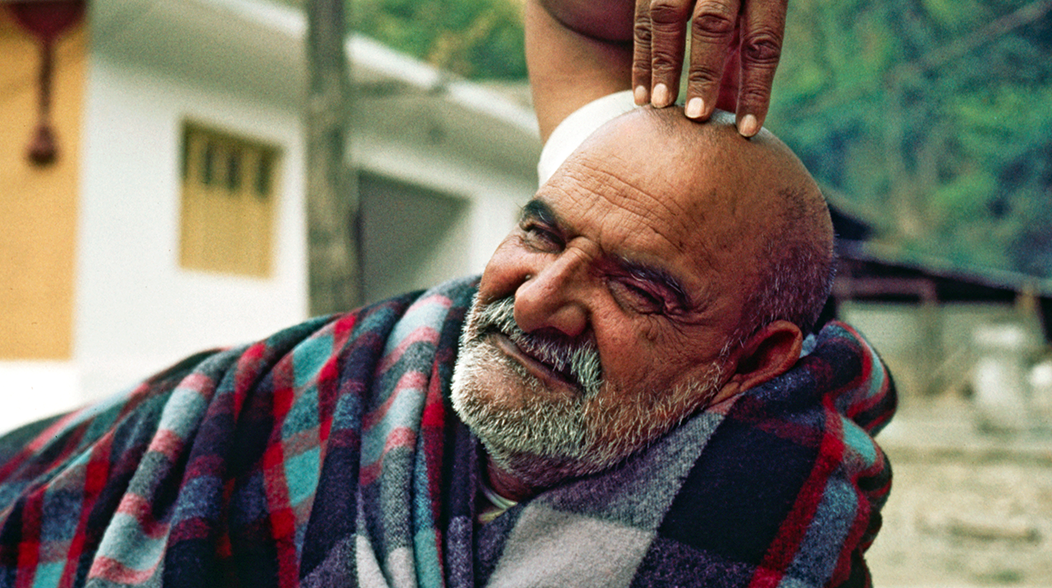
“Be like Hanuman. Be a servant of the heart.” In this profound statement by Neem Karoli Baba, we are invited to embody the spirit of Hanuman, the revered figure in Hindu mythology known for his unwavering devotion and selfless service. This call to action transcends mere admiration; it urges us to cultivate a heart-centered approach to life, where service becomes a pathway to deeper connection and understanding. In a world often dominated by self-interest, this teaching resonates with a timeless urgency, reminding us of the transformative power of love and devotion.
To be a servant of the heart is to recognize that our true essence lies not in our achievements or possessions, but in our capacity to love and serve others. Hanuman, as a symbol of devotion, embodies the qualities of humility, strength, and compassion. By aligning ourselves with his example, we are encouraged to transcend our ego and embrace a life dedicated to the welfare of others. This teaching invites us to explore the depths of our own hearts, revealing how service can lead to profound spiritual awakening and fulfillment.
The image / the metaphor
The imagery of Hanuman as a servant of the heart evokes a sense of devotion that is both powerful and tender. The verb "be" suggests a state of being rather than doing, urging us to internalize the qualities of Hanuman rather than merely imitate his actions. This distinction is crucial; it invites us to cultivate an inner landscape where love and service flourish naturally. The heart, in this context, becomes a sacred space where our intentions align with the greater good, transforming our everyday interactions into acts of devotion.
Diving deeper into the metaphor, we find that being a servant of the heart is not about subservience but about the liberation that comes from selfless love. Hanuman’s unwavering commitment to Lord Rama exemplifies how true service is rooted in love, not obligation. This love transcends personal gain and ego, allowing us to connect with others on a profound level. In this way, the metaphor of Hanuman serves as a reminder that our greatest strength lies in our ability to serve with an open heart, fostering unity and compassion in a fragmented world.
In the speaker's tradition
Neem Karoli Baba's teachings are deeply embedded in the tradition of bhakti, which emphasizes devotion as a means of connecting with the divine. This path encourages practitioners to cultivate a heart-centered approach to spirituality, where love and service are paramount. Concepts such as dharma, or righteous duty, and kenosis, the self-emptying of one’s own will for the sake of others, resonate with the essence of being a servant of the heart. In this light, Hanuman's devotion is not merely an act of service but a profound expression of his understanding of the interconnectedness of all beings.
In the Bhagavad Gita, a foundational text of the bhakti tradition, Krishna speaks of selfless action as a means to attain liberation. This aligns beautifully with Neem Karoli Baba’s exhortation to embody the spirit of Hanuman. The Gita teaches that when we act without attachment to the fruits of our labor, we align ourselves with the divine will, allowing love to flow freely through us. Thus, the call to be like Hanuman becomes a call to engage in the world with a heart full of love, serving others as a reflection of our devotion to the divine.
Living the teaching
Consider a modern scenario where this teaching can take root: a workplace filled with competition and ambition. In such an environment, the call to be like Hanuman can manifest as a commitment to support colleagues rather than undermine them. By choosing to uplift others, share knowledge, and celebrate their successes, we create a culture of collaboration that transforms the workplace into a community. This act of service not only enriches our relationships but also fosters a sense of belonging and purpose, reminding us that our true strength lies in our ability to serve with love.
In personal relationships, the teaching of being a servant of the heart can be particularly poignant. Imagine navigating a difficult moment with a loved one, where misunderstandings and hurt feelings abound. By embodying the spirit of Hanuman, we can approach the situation with empathy and a willingness to listen, prioritizing the emotional well-being of the other over our own need to be right. This shift in perspective allows for healing and connection, illustrating how service to the heart can transform not only our interactions but also our inner landscape, fostering deeper love and understanding.
A reflection
As we contemplate the wisdom of Neem Karoli Baba’s words, we are invited to reflect on our own lives: How can we embody the spirit of Hanuman in our daily actions? In what ways can we serve others with an open heart, allowing love to guide our interactions? This inquiry encourages us to explore the depths of our own capacity for love and service, inviting us to live more fully in alignment with our true selves.