The Dance of Arrival and Departure
Milarepa's poignant observation, "Meetings end in separation," encapsulates a profound truth about the nature of human experience. In every encounter, whether fleeting or enduring, there lies an inevitable conclusion that leads to parting. This reality invites us to reflect on the transient nature of our relationships and experiences, urging us to embrace the present moment fully, even as we acknowledge its impermanence. Understanding this cycle of meeting and parting can deepen our appreciation for the connections we forge and the lessons we learn along the way.
As we delve deeper into this quote, we recognize that it speaks not only to the physical separations we face but also to the emotional and spiritual dimensions of our lives. Each meeting, whether with a friend, a loved one, or even a stranger, carries the weight of potential loss. This awareness can evoke a sense of urgency to cherish our interactions, to engage with authenticity and presence. In a world that often prioritizes the next encounter over the current one, Milarepa's wisdom serves as a gentle reminder to honor the fleeting moments that shape our existence.
The image / the metaphor
At its core, Milarepa's quote conjures a vivid image of the cyclical nature of life. The word "meetings" evokes a sense of connection, a coming together of souls, ideas, or experiences. In contrast, "separation" starkly highlights the inevitable conclusion of these encounters. The verbs chosen—meet and end—carry a weight that reflects the duality of existence: the joy of connection and the sorrow of parting. This imagery resonates deeply within us, as we have all experienced the bittersweet nature of farewells, whether they be temporary or permanent.
Diving deeper into the metaphor, we can see that these meetings represent not just physical gatherings but also moments of insight, understanding, and transformation. Each encounter offers a unique opportunity for growth, yet it is essential to recognize that these moments are transient. The metaphor of separation serves as a reminder that while we may find solace in our connections, we must also cultivate an awareness of their impermanence. This duality invites us to engage fully in our experiences while preparing ourselves for the inevitable shifts that life brings.
In the speaker's tradition
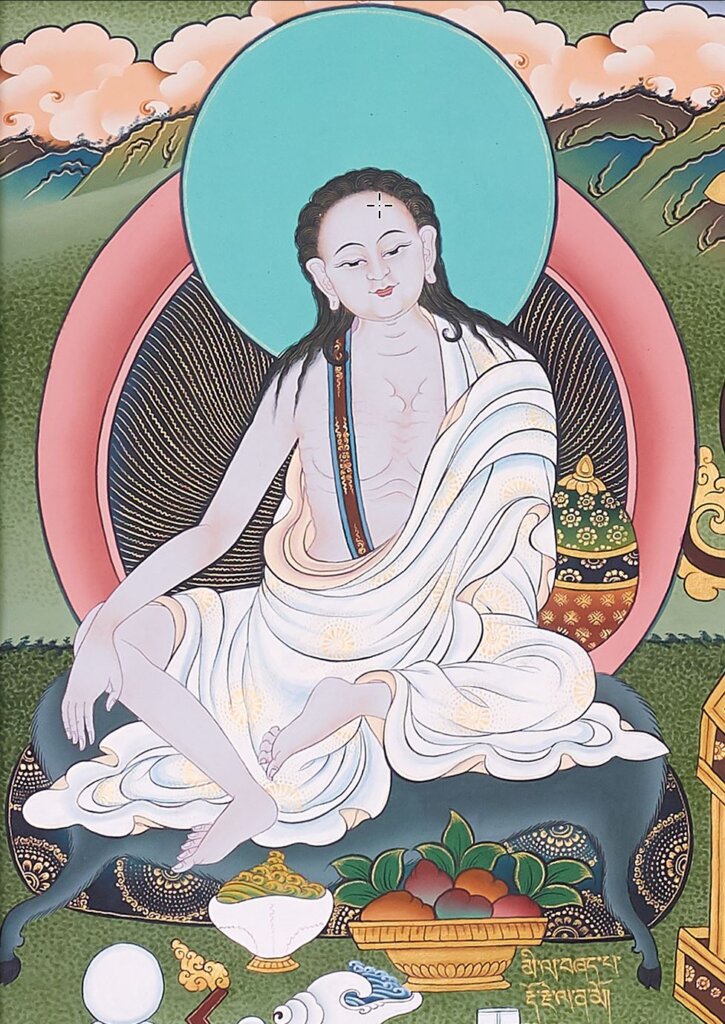
Milarepa, a revered figure in Tibetan Buddhism, embodies the teachings of impermanence and the nature of reality. His life story is a testament to the transformative power of embracing change and letting go. Central to his teachings is the concept of *sunyata*, or emptiness, which emphasizes that all phenomena are transient and devoid of inherent existence. This understanding encourages practitioners to cultivate a sense of detachment from the outcomes of their meetings, recognizing that all experiences are temporary and subject to change.
In the context of Milarepa's life, we can draw parallels to the *Bodhisattva* ideal, where one seeks enlightenment not only for oneself but also for the benefit of all beings. This selfless approach highlights the importance of each meeting as an opportunity to cultivate compassion and understanding. The *Songs of Milarepa*, from which this quote is derived, often reflect on the nature of existence, urging practitioners to embrace the present moment while remaining aware of its fleeting nature. Such teachings resonate with the Buddhist notion of *dukkha*, or suffering, which arises from our attachment to permanence in a world defined by change.
Living the teaching
In our modern lives, the teaching of Milarepa can manifest in various scenarios. Consider a gathering of friends who come together to celebrate a milestone. As laughter fills the air and stories are shared, there is an underlying awareness that this moment is ephemeral. The joy of connection is palpable, yet it is accompanied by the knowledge that, eventually, everyone will part ways. This recognition can enhance our appreciation for the gathering, encouraging us to savor each interaction and express our gratitude for the time spent together.
Another application of this teaching can be found in the realm of relationships. Imagine a romantic partnership that faces challenges and ultimately leads to separation. In such moments, the wisdom of Milarepa reminds us to honor the love shared while acknowledging the reality of change. By embracing the impermanence of the relationship, we can find closure and healing, allowing ourselves to move forward with grace. This perspective encourages us to cultivate resilience and acceptance, recognizing that every ending paves the way for new beginnings.
A reflection
As we contemplate Milarepa's profound insight, we are invited to reflect on our own experiences of meeting and parting. How can we cultivate a deeper appreciation for the connections we forge, knowing that they are transient? In what ways can we embrace the impermanence of our relationships, allowing ourselves to engage fully while preparing for the inevitable shifts that life brings? This contemplation invites us to live with intention, cherishing each moment as a precious gift.
