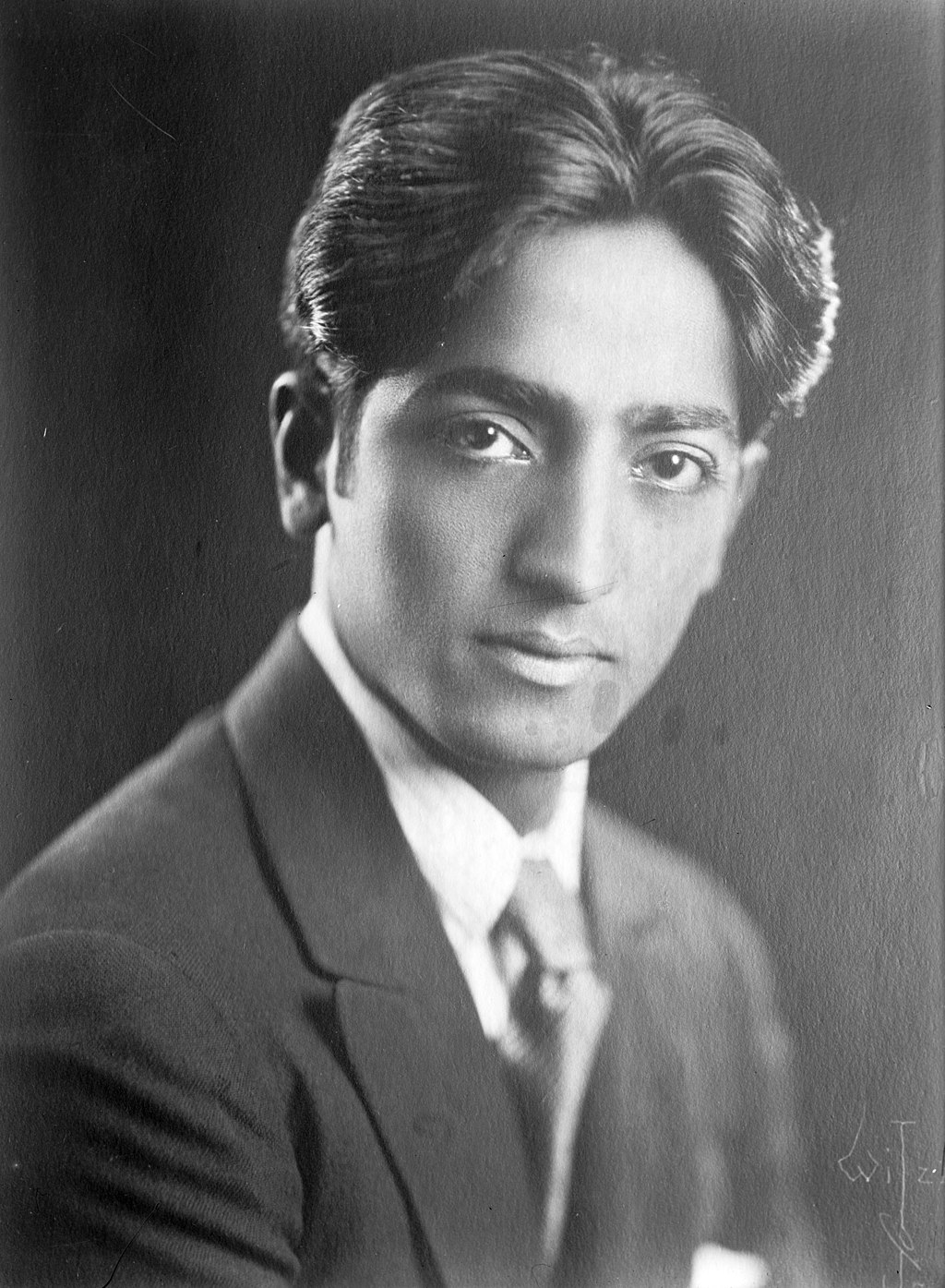
The Essence of Perception: Beyond Memory
Jiddu Krishnamurti's assertion that "real intelligence is not memory but the perception of what is" invites us to reconsider our understanding of intelligence itself. In a world often dominated by the accumulation of knowledge and the regurgitation of facts, Krishnamurti challenges us to embrace a more profound form of awareness—one that transcends mere recollection. This perspective is not only transformative but essential for genuine understanding and connection with the world around us.
To grasp the significance of this quote, we must delve into the nature of perception versus memory. Memory, while valuable, can often distort our understanding of reality, filtering experiences through the lens of past interpretations and biases. In contrast, perception—rooted in the present moment—offers a direct engagement with reality as it is, unclouded by preconceived notions. This distinction is crucial, as it underscores the importance of being fully present and aware, allowing us to experience life in its raw, unmediated form.
The image / the metaphor
At its core, Krishnamurti's quote evokes a vivid contrast between two modes of understanding: memory and perception. The imagery of "perception of what is" suggests a clarity and immediacy, akin to seeing a landscape without the haze of fog or distortion. The verbs chosen—"is" and "perception"—imply a dynamic engagement with reality, where intelligence is not a static repository of facts but a fluid, responsive awareness that adapts to the present moment.
Diving deeper into this metaphor, we can envision perception as a lens that sharpens our view of the world, allowing us to see not just the surface but the essence of things. Memory, on the other hand, can be likened to a filter that colors our experiences with past emotions and judgments, often leading to misunderstandings. In this light, Krishnamurti invites us to cultivate a state of being where we can perceive life directly, fostering a deeper connection with ourselves and others.
In the speaker's tradition
Krishnamurti's teachings emerge from a non-dualistic tradition that emphasizes the interconnectedness of all existence. Concepts such as prajna, or wisdom, resonate deeply with his assertion that true intelligence lies in perception. This wisdom is not merely intellectual but experiential, arising from a direct engagement with reality that transcends dualistic thinking. In this context, the practice of mindfulness becomes a vital tool for cultivating the kind of perception Krishnamurti advocates.
In his work, Krishnamurti often draws parallels with the Buddhist concept of sunyata, or emptiness, which suggests that our perceptions are often clouded by attachments and preconceived notions. Just as sunyata encourages a letting go of fixed ideas to experience reality as it is, so too does Krishnamurti's call for a shift from memory to perception invite us to release our mental constructs. This alignment with ancient wisdom traditions underscores the timeless relevance of his insights.
Living the teaching
Consider a modern scenario where this teaching can be applied: during a heated discussion with a colleague, one might find themselves relying on past grievances and memories to fuel their arguments. In such moments, Krishnamurti's teaching serves as a reminder to pause and engage with the present, to listen deeply and perceive the situation without the filter of past experiences. This shift not only fosters clearer communication but also opens the door to understanding and empathy, transforming conflict into collaboration.
Another application of this teaching can be found in personal relationships. Imagine a situation where one partner feels misunderstood, often recalling past arguments to justify their feelings. By embracing the perception of what is, both partners can learn to communicate openly, focusing on the present moment rather than being ensnared by the shadows of memory. This practice of presence can lead to deeper intimacy and connection, allowing love to flourish unencumbered by the weight of the past.
A reflection
As we reflect on Krishnamurti's profound insight, we are invited to consider: How often do we allow our memories to shape our perceptions of the present? This contemplative question encourages us to examine our habitual responses and to cultivate a practice of awareness that honors the immediacy of our experiences. In doing so, we may discover a richer, more authentic engagement with life, one that reveals the beauty of reality as it unfolds.
