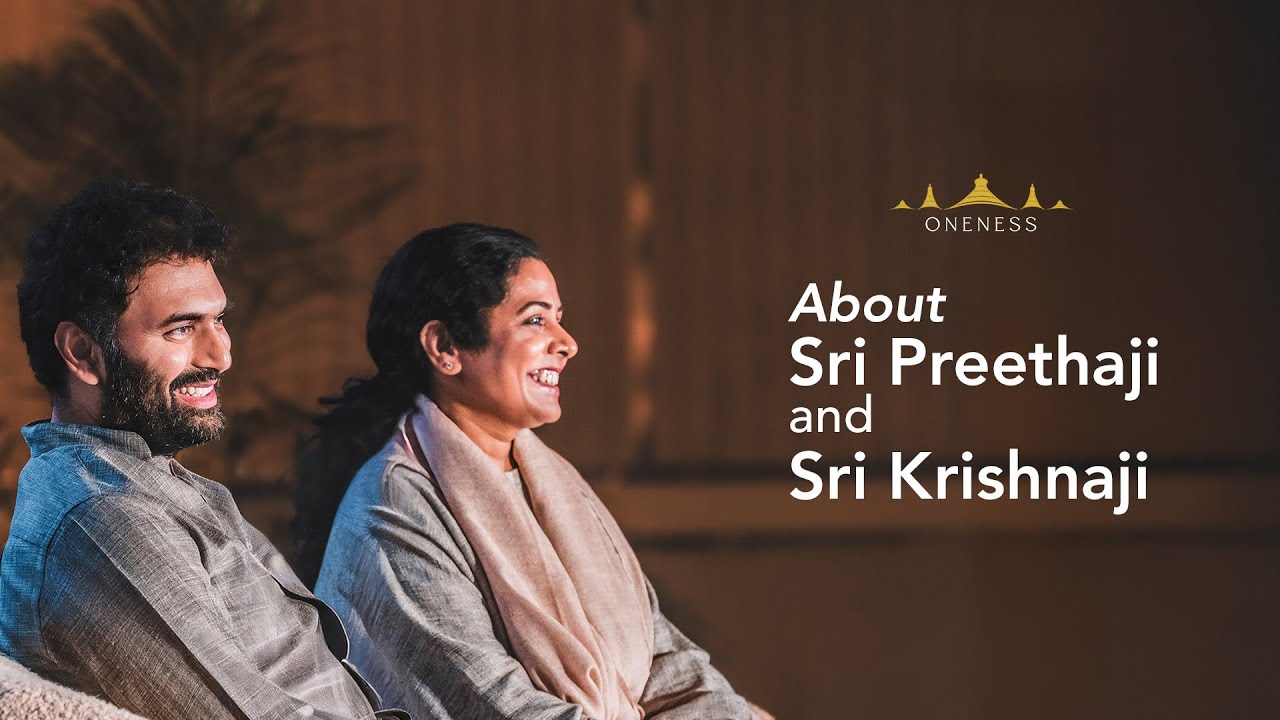
In the words of Krishnaji, "Wealth is the experience of fullness in living, not just an accumulation of money." This profound statement invites us to reconsider our understanding of wealth, urging us to look beyond material possessions and financial success. It challenges the conventional notion that equates wealth solely with monetary gain, suggesting instead that true richness lies in the depth of our experiences and the quality of our lives. This perspective is vital in a world often driven by consumerism, where the relentless pursuit of money can overshadow the more meaningful aspects of existence.
To grasp the essence of Krishnaji's insight, we must delve into what it means to live fully. Fullness in living encompasses a sense of connection, joy, and purpose that transcends material wealth. It invites us to cultivate relationships, engage with our passions, and embrace the present moment. In doing so, we discover that wealth is not merely a financial state but a holistic experience that nourishes our spirit and enriches our lives. This understanding is crucial, especially in times when external circumstances may lead us to feel impoverished or lacking.
The image / the metaphor
Krishnaji's quote employs vivid imagery that contrasts the tangible nature of money with the intangible essence of living fully. The term "experience of fullness" evokes a sense of abundance that is felt rather than counted. It suggests a richness that is qualitative, rooted in the depth of our experiences, emotions, and connections with others. The verbs "experience" and "living" highlight an active engagement with life, emphasizing that wealth is not a static possession but a dynamic process of being present and fully alive.
Diving deeper into the metaphor, we can envision wealth as a tapestry woven from the threads of our experiences. Each moment of joy, connection, and fulfillment adds to this intricate design, creating a life that is rich in meaning. This metaphor invites us to reflect on what we are weaving into our lives daily. Are we prioritizing experiences that contribute to our sense of fullness, or are we caught in the cycle of accumulating more? The richness of life, as Krishnaji suggests, is found in the quality of our experiences rather than the quantity of our possessions.
In the speaker's tradition
Krishnaji's teachings resonate deeply within the oneness movement, which emphasizes interconnectedness and the unity of all existence. Concepts such as dharma, or the path of righteousness, and sunyata, the emptiness that allows for fullness, align with his perspective on wealth. In this tradition, true wealth is understood as a state of being that arises from living in harmony with oneself and the universe. The idea of kenosis, or self-emptying, further complements this understanding, suggesting that by letting go of our attachments to material wealth, we can open ourselves to a more profound experience of life.
In the context of Krishnaji's teachings, we can draw parallels with the Buddhist concept of prajna, or wisdom, which encourages us to see beyond the illusions of materialism. The Heart Sutra, a key text in Mahayana Buddhism, speaks of emptiness as a path to liberation, echoing Krishnaji's assertion that true wealth is found in the fullness of living. By embracing this wisdom, we can cultivate a deeper understanding of what it means to be truly wealthy, aligning our lives with the principles of interconnectedness and compassion.
Living the teaching
Consider a modern scenario where this teaching might resonate: a person working tirelessly to climb the corporate ladder, sacrificing personal relationships and well-being in the pursuit of financial success. Despite their growing bank account, they may feel a profound sense of emptiness, realizing that their life lacks the richness of meaningful connections and experiences. This situation exemplifies the dissonance between societal definitions of wealth and the deeper fulfillment that comes from living fully. By shifting focus from monetary gain to nurturing relationships and pursuing passions, one can begin to experience the true wealth that Krishnaji speaks of.
Another application of this teaching can be found in the realm of relationships. Imagine a couple navigating a challenging period, where financial stress threatens to overshadow their connection. By consciously choosing to prioritize their emotional bond and shared experiences over material concerns, they can cultivate a sense of fullness in their relationship. Engaging in simple yet meaningful activities—such as cooking together, exploring nature, or having heartfelt conversations—can transform their experience of wealth from one of scarcity to one of abundance. In this way, the practice of living fully becomes a powerful antidote to the pressures of modern life.
A reflection
As we contemplate Krishnaji's assertion that "wealth is the experience of fullness in living," we are invited to reflect on our own lives. What does fullness mean to you? Are there areas where you might be prioritizing accumulation over experience? This contemplative question encourages us to examine our values and choices, guiding us toward a deeper understanding of what it means to live a rich and fulfilling life. In embracing this inquiry, we open ourselves to the possibility of discovering true wealth in the moments that matter most.