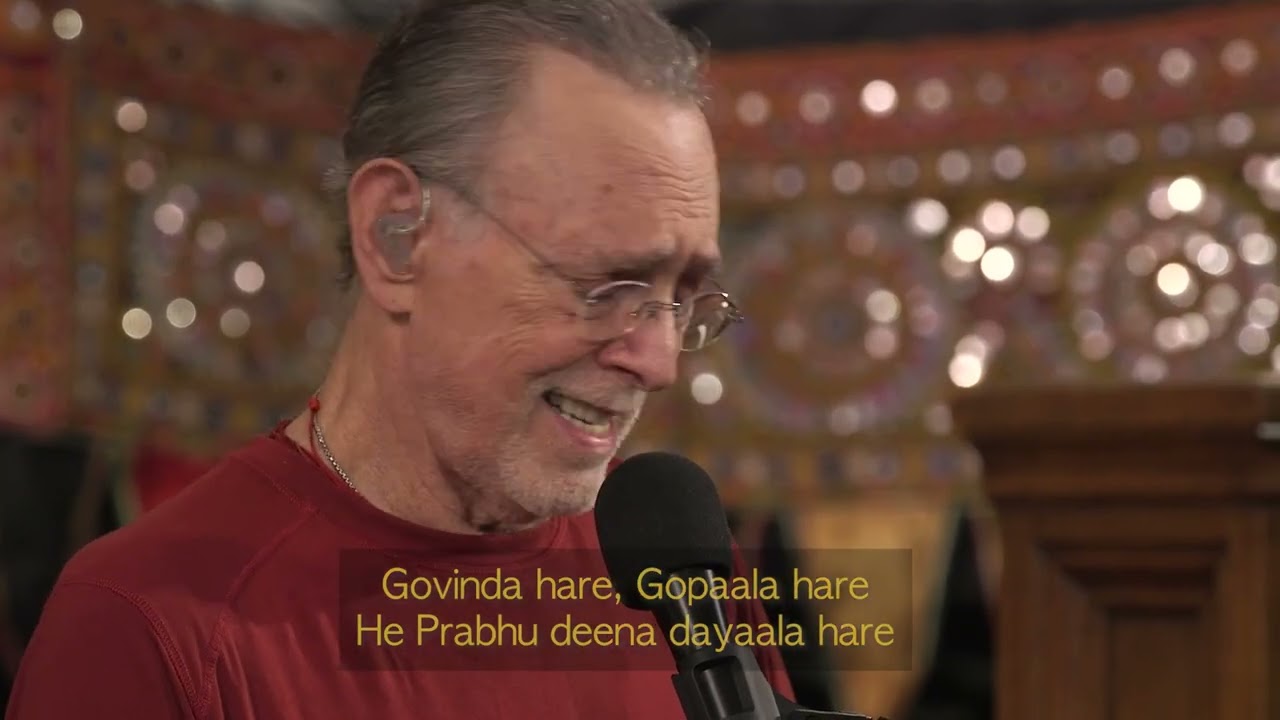
Krishna Das's poignant assertion, "In the chanting, the spell of the world breaks," invites us to explore the transformative power of sound and devotion. This statement suggests that through the act of chanting, we can transcend the illusions and distractions of our everyday existence. It speaks to the heart of spiritual practice, where the mundane is pierced by the sacred, allowing us to awaken to a deeper reality. In a world often clouded by chaos and confusion, this teaching holds profound significance, offering a pathway to liberation and clarity.
As we delve deeper into this quote, we begin to understand that chanting is not merely a vocal exercise; it is a profound spiritual practice that connects us to the divine. It serves as a bridge between our individual selves and the greater cosmos, facilitating a shift in consciousness. The act of chanting can dissolve the barriers we erect around ourselves, enabling us to experience a sense of unity with all that is. This awakening is not just a personal journey; it is a collective experience that resonates through the ages, echoing the timeless wisdom of the bhakti tradition.
The image / the metaphor
At its core, the imagery in Krishna Das's quote evokes a sense of liberation. The word "chanting" conjures up the rhythmic, melodic sounds that have been used for centuries as a means of connecting with the divine. The phrase "the spell of the world breaks" suggests that our everyday lives can feel entrapped, as if under a spell that obscures our true nature. The verbs chosen here—"chanting" and "breaks"—imply an active engagement in the process of awakening, where one must participate in the act of breaking free from the confines of worldly distractions.
Diving deeper into the metaphor, we can see that the "spell" represents the myriad attachments, fears, and illusions that bind us to a limited perception of reality. To "break" this spell through chanting is to engage in a transformative act that shifts our awareness from the external to the internal. In this sense, chanting becomes a tool for dismantling the constructs of the ego, allowing us to experience a more profound sense of peace and connection. It is an invitation to step beyond the superficial layers of existence and into the depths of our being, where true awakening resides.
In the speaker's tradition
Krishna Das, a prominent figure in the bhakti tradition, embodies the essence of devotion and surrender. Bhakti, which translates to "devotion" or "love," emphasizes the importance of a personal relationship with the divine. In this context, chanting serves as an expression of bhakti, allowing practitioners to cultivate a deep sense of connection and intimacy with the divine presence. Concepts such as dharma, or righteous duty, and kenosis, the act of self-emptying, resonate within this framework, highlighting the importance of surrendering the ego to experience the fullness of divine love.
In the Bhagavad Gita, a foundational text of the bhakti tradition, Lord Krishna speaks of the importance of devotion and surrender. He encourages Arjuna to engage in his dharma while remaining unattached to the fruits of his actions. This teaching parallels the essence of Krishna Das's quote, as both emphasize the necessity of transcending worldly attachments to experience a deeper spiritual truth. The act of chanting becomes a means of aligning oneself with this divine purpose, allowing the practitioner to break free from the confines of the material world.
Living the teaching
Imagine a moment in your daily life when the weight of the world feels particularly heavy—perhaps during a stressful day at work or amidst the chaos of family responsibilities. In such moments, the practice of chanting can serve as a refuge, a sacred space where one can reconnect with the essence of being. By taking a few moments to chant, whether silently or aloud, one can create a shift in consciousness, breaking the spell of anxiety and distraction. This practice not only calms the mind but also opens the heart, allowing for a renewed sense of clarity and purpose.
In the context of relationships, the teaching of breaking the spell through chanting can be particularly transformative. Consider a challenging interaction with a loved one, where misunderstandings and emotional triggers arise. By incorporating chanting into your daily practice, you cultivate a sense of inner peace that can influence how you engage with others. This practice encourages patience, compassion, and understanding, allowing you to respond from a place of love rather than reactivity. In this way, chanting becomes a tool for healing and connection, fostering deeper relationships grounded in mutual respect and love.
A reflection
As we contemplate Krishna Das's profound insight, we are invited to reflect on our own lives: What spells are we under that obscure our true nature? In what ways can we engage with the practice of chanting to break free from these illusions? This contemplation encourages us to explore the barriers we have constructed around ourselves and to seek the transformative power of sound and devotion. By embracing this practice, we open ourselves to the possibility of awakening and experiencing the divine presence that resides within us all.