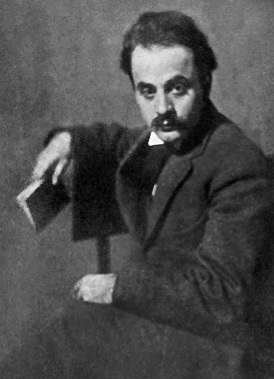
The Dance of Time: Embracing Memory and Dream
Kahlil Gibran's poignant reflection, "Yesterday is but today's memory, and tomorrow is today's dream," invites us to consider the fluidity of time and our relationship with it. In this simple yet profound statement, Gibran urges us to recognize that our past is merely a collection of memories shaped by our present perceptions, while our future remains a canvas painted by our current aspirations. This understanding is crucial, as it encourages us to engage fully with the present moment, where life unfolds in its most vibrant form.
As we delve deeper into Gibran's words, we uncover a rich tapestry of meaning that speaks to the heart of human experience. The interplay between memory and dream highlights the transient nature of existence, reminding us that both the past and the future are constructs of our consciousness. By anchoring ourselves in the present, we can cultivate a deeper awareness of our thoughts and feelings, allowing us to navigate the complexities of life with grace and intention. This exploration of time not only shapes our understanding of ourselves but also influences how we relate to others and the world around us.
The image / the metaphor
At first glance, Gibran's quote presents a vivid image of time as a continuum, where yesterday, today, and tomorrow are interconnected. The verbs "is" and "are" suggest a state of being, emphasizing that memory and dream are not separate entities but rather integral aspects of our current experience. The imagery evokes a sense of fluidity, as if time flows like a river, with memories drifting downstream while dreams float on the surface, waiting to be realized. This portrayal invites us to reflect on how we perceive our past and future, urging us to recognize their influence on our present state of being.
Diving deeper into the metaphor, we see that Gibran is not merely speaking about the passage of time; he is inviting us to engage with it consciously. The notion that yesterday is a memory implies that our recollections are colored by our present emotions and thoughts, while tomorrow as a dream suggests that our aspirations are shaped by our current desires and intentions. This interplay encourages us to take responsibility for our perceptions, reminding us that we have the power to shape our reality through the lens of our awareness. In this way, Gibran's words serve as a call to mindfulness, urging us to embrace the present moment as the fertile ground from which both memory and dream arise.
In the speaker's tradition
Kahlil Gibran, a prominent figure in the Christian mystical tradition, draws upon themes that resonate deeply with the concepts of presence and awareness. His work often reflects the idea of kenosis, or self-emptying, which invites individuals to let go of their attachments to past regrets and future anxieties. This aligns with the notion of dharma in Eastern philosophies, where living in accordance with one's true nature requires a deep understanding of the present moment. Gibran's perspective encourages us to transcend the dualities of time, allowing us to experience life more fully and authentically.
In Gibran's seminal work, "The Prophet," he articulates the importance of living in the present as a means of spiritual growth. The character Almitra, who speaks with the prophet, embodies the quest for understanding and wisdom, echoing the sentiments found in other mystical texts. For instance, the teachings of Meister Eckhart emphasize the necessity of being present to God in the now, suggesting that true enlightenment arises from an awareness of the present moment. Gibran's quote resonates with this tradition, inviting us to explore the depths of our consciousness and embrace the transformative power of presence.
Living the teaching
Consider a modern scenario where this teaching finds relevance: a busy professional caught in the whirlwind of deadlines and responsibilities. Often, such individuals may find themselves dwelling on past mistakes or worrying about future outcomes, which detracts from their ability to engage fully with their work and relationships. By embracing Gibran's insight, they can learn to pause, breathe, and redirect their focus to the present moment, allowing them to approach their tasks with renewed clarity and creativity. This shift in perspective can lead to a more fulfilling and productive experience, as they become more attuned to the richness of each moment.
In the realm of relationships, Gibran's teaching can serve as a powerful reminder to cultivate presence with loved ones. Imagine a couple navigating a challenging conversation, where past grievances threaten to overshadow their connection. By consciously choosing to focus on the present, they can create a space for open dialogue, allowing their memories and dreams to inform rather than dominate the interaction. This practice of presence fosters deeper understanding and intimacy, enabling them to build a stronger foundation for their relationship. In both personal and professional contexts, Gibran's wisdom encourages us to embrace the now, transforming our experiences into opportunities for growth and connection.
A reflection
As we contemplate Gibran's profound words, we are invited to reflect on our own relationship with time. How often do we find ourselves lost in memories of the past or anxiously anticipating the future? In what ways can we cultivate a deeper presence in our daily lives, allowing ourselves to fully experience the richness of the present moment? By engaging with these questions, we can begin to unravel the layers of our consciousness, discovering the beauty that lies within the dance of memory and dream.
