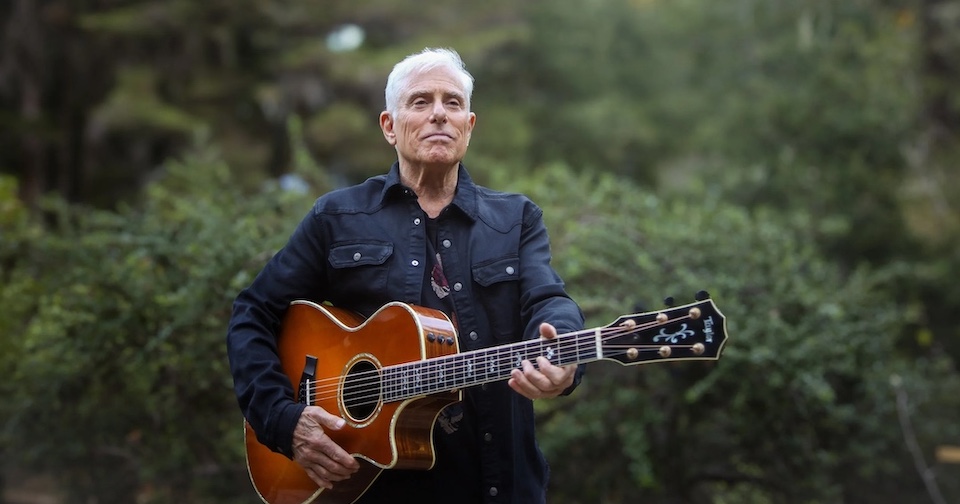
In the words of Jai Uttal, "You only have to have a heart that wants to open." This simple yet profound statement invites us to consider the essence of our emotional and spiritual lives. It suggests that the journey toward greater love, compassion, and understanding begins not with complex rituals or elaborate practices, but with a sincere desire to open our hearts. This longing is the first step toward transformation, a call to embrace vulnerability and connection in a world that often encourages us to shield ourselves.
To want to open one’s heart is to acknowledge the inherent beauty and pain of existence. It is an invitation to engage with life more fully, to experience the richness of human emotions, and to cultivate a deeper sense of empathy. In a society that frequently prioritizes self-protection over connection, Uttal's words serve as a gentle reminder that the act of opening our hearts is both a personal and collective endeavor. It is a call to transcend the barriers we erect and to embrace the interconnectedness of all beings.
The image / the metaphor
The imagery of a heart that wants to open evokes a sense of warmth and possibility. The heart, often symbolized as the seat of emotion and intuition, is portrayed not as a static organ but as a dynamic entity capable of expansion. The verb "want" implies a yearning, a desire that is both active and passive, suggesting that the heart’s opening is a process that requires intention and surrender. This duality captures the essence of spiritual growth: we must actively seek to open ourselves while also allowing the natural unfolding of our emotional landscape.
Diving deeper into this metaphor, we can see that the heart's opening is akin to the blooming of a flower. Just as a flower unfurls its petals to the sun, revealing its beauty to the world, so too does an open heart allow love and compassion to flow freely. This act of opening is not without its challenges; it requires courage to expose oneself to the vulnerabilities of life. Yet, in this vulnerability lies the potential for profound connection and understanding, both with ourselves and with others.
In the speaker's tradition
Jai Uttal's teachings are deeply rooted in the tradition of kirtan, a practice that emphasizes devotion and the expression of love through music and mantra. Central to this tradition is the concept of bhakti, or devotional love, which encourages practitioners to cultivate a heartfelt connection with the divine. The act of opening one’s heart aligns seamlessly with the principles of bhakti, as it invites us to surrender our ego and embrace a state of love and devotion. This heart-centered approach is echoed in various spiritual traditions, where the act of opening oneself is seen as a pathway to enlightenment and connection.
Living the teaching
Consider a modern scenario where this teaching can be applied: a workplace conflict. Imagine two colleagues who have been at odds, each holding onto their grievances. If one of them were to embody the spirit of Uttal's quote, they might approach the situation with a heart that wants to open. Instead of defending their position, they could express a genuine desire to understand the other’s perspective, fostering a dialogue that leads to resolution and healing. This act of opening the heart can transform not only individual relationships but also the collective atmosphere of the workplace.
A reflection
As we contemplate Jai Uttal's profound statement, we are invited to reflect on our own hearts. What does it mean for you to have a heart that wants to open? In what areas of your life do you feel called to cultivate this openness? Consider the barriers you may have erected and the fears that may hold you back. Allow this reflection to guide you toward a deeper understanding of your own capacity for love and connection.