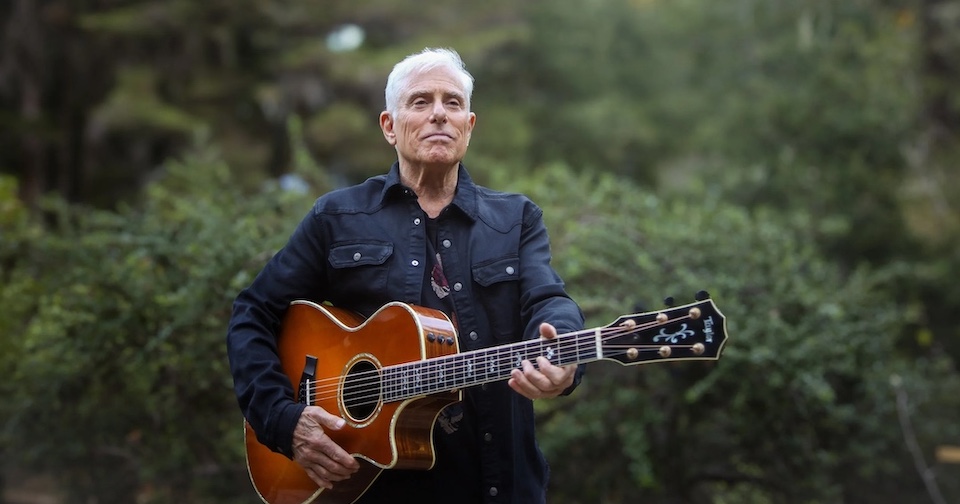
Jai Uttal's assertion, "You don't have to sit still to meditate," invites us to reconsider the very essence of meditation. This statement challenges the conventional notion that meditation is confined to stillness and silence, suggesting instead that it can be found in movement and rhythm. In a world that often equates productivity with physical stillness, this perspective is both liberating and transformative, urging us to explore the depths of our inner experience through the dynamic flow of life.
By expanding the definition of meditation to include movement, Uttal opens a doorway to a more inclusive understanding of spiritual practice. This approach resonates deeply with those who find solace in the vibrancy of life, where stillness may feel unattainable or even stifling. In recognizing that meditation can occur in the midst of activity, we are invited to engage with our surroundings and ourselves in a more profound way, fostering a connection that transcends the limitations of traditional practices.
The image / the metaphor
At its core, Uttal's quote evokes a vivid image of meditation as a fluid, dynamic process rather than a static state. The verbs "sit" and "still" conjure a sense of rigidity, while the absence of these constraints suggests a more organic experience of mindfulness. This imagery invites us to envision meditation as a dance, a flowing movement that encompasses the entirety of our being, allowing thoughts and feelings to rise and fall like waves in the ocean.
Diving deeper into the metaphor, we can see that movement in meditation symbolizes the ebb and flow of life itself. Just as a river carves its path through the landscape, so too can our awareness navigate the currents of our thoughts and emotions. This understanding encourages us to embrace the impermanence of our experiences, recognizing that meditation is not about achieving a fixed state but rather about being present in the ever-changing landscape of our lives.
In the speaker's tradition
Jai Uttal's teachings are deeply rooted in the tradition of kirtan, a practice that emphasizes devotion and the communal experience of music and mantra. In this context, the concept of bhakti, or devotional love, plays a crucial role in understanding the fluidity of meditation. Bhakti invites practitioners to engage with the divine through movement, song, and rhythm, allowing the heart to open and the spirit to soar. This approach aligns with the idea of kenosis, or self-emptying, where one surrenders to the flow of life and the divine presence within it.
Moreover, the notion of sunyata, or emptiness, resonates with Uttal's perspective on meditation. In recognizing that stillness is not a prerequisite for meditation, we can embrace the emptiness that arises in moments of movement and sound. This understanding is echoed in the teachings of the Heart Sutra, which states, "Form is emptiness, emptiness is form," suggesting that the essence of our experience transcends the boundaries we often impose upon it. Through kirtan, we are reminded that the divine can be encountered in the rhythm of our breath and the pulse of our bodies.
Living the teaching
Consider a modern scenario where this teaching finds relevance: a busy parent navigating the demands of daily life. In the midst of juggling work, family responsibilities, and personal aspirations, the idea of sitting still to meditate may feel like an unattainable luxury. However, by embracing the notion that meditation can occur in the midst of activity, this parent can find moments of mindfulness while cooking, playing with children, or even commuting. Each of these activities can become a form of moving meditation, allowing for a deeper connection to the present moment.
In a different context, imagine a couple facing a challenging conversation. Instead of adhering to the expectation that they must sit down and discuss their feelings in a formal setting, they might choose to take a walk together. As they move, the rhythm of their footsteps can create a space for vulnerability and openness, allowing emotions to flow more freely. This approach not only fosters connection but also embodies the essence of Uttal's teaching, demonstrating that meditation can be woven into the fabric of our relationships and interactions.
A reflection
As we contemplate Jai Uttal's invitation to embrace movement as a form of meditation, we are called to reflect on our own experiences. How might we integrate mindfulness into our daily lives, recognizing that stillness is not the only path to inner peace? In what ways can we allow the rhythm of our activities to guide us toward a deeper connection with ourselves and the world around us? This contemplation invites us to explore the fluidity of our own spiritual journey, encouraging us to find meditation in the dance of life.